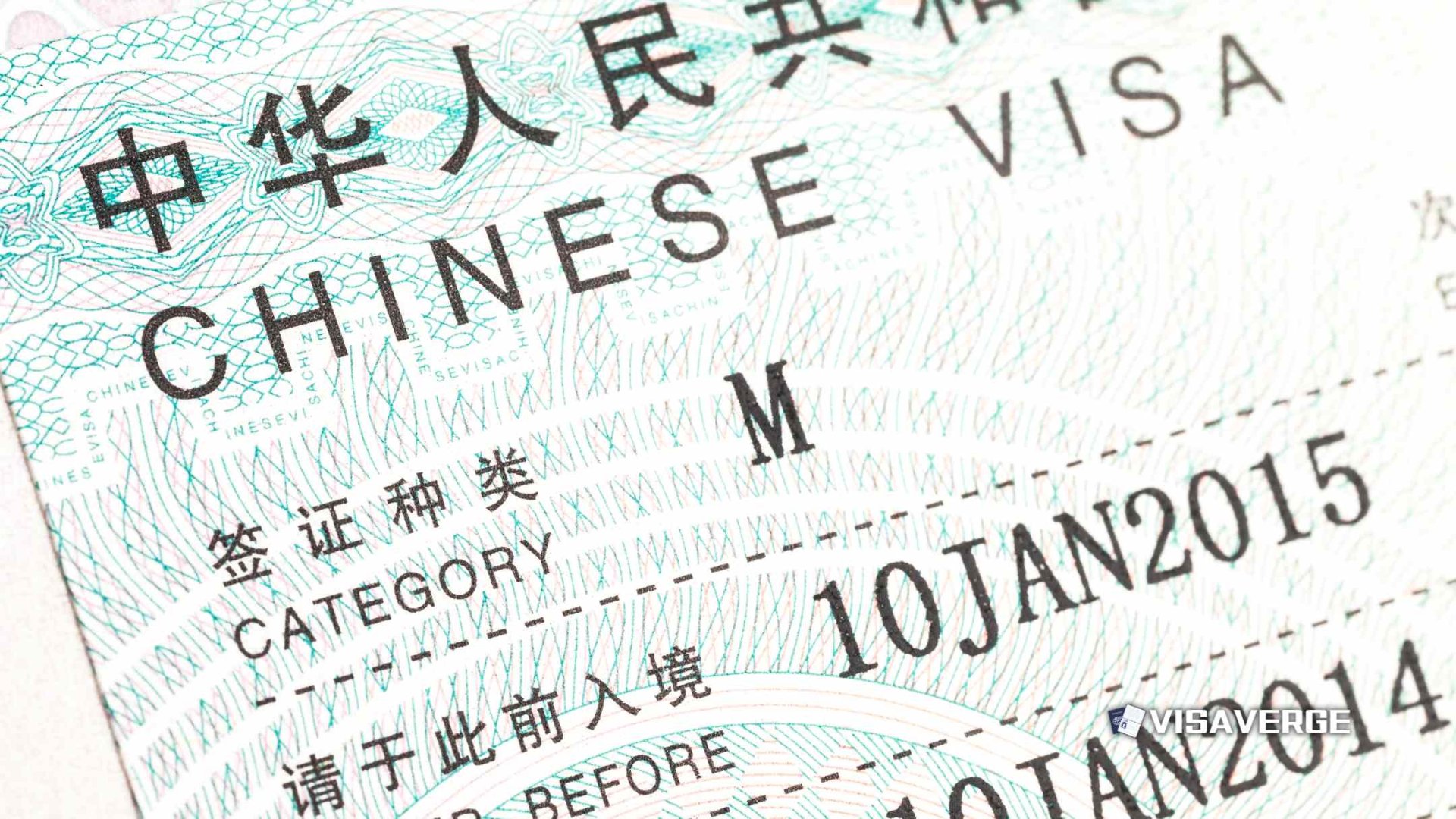
- China’s inbound travel surged in 2025 as visa-free entry rules drove over 30 million foreign visits.
- The social-media trend ChinaMaxxing gained viral momentum, attracting younger travelers interested in Chinese technology and lifestyle.
- Early 2026 data shows record-breaking border crossings, with single-day traffic at Gongbei exceeding 440,000 people.
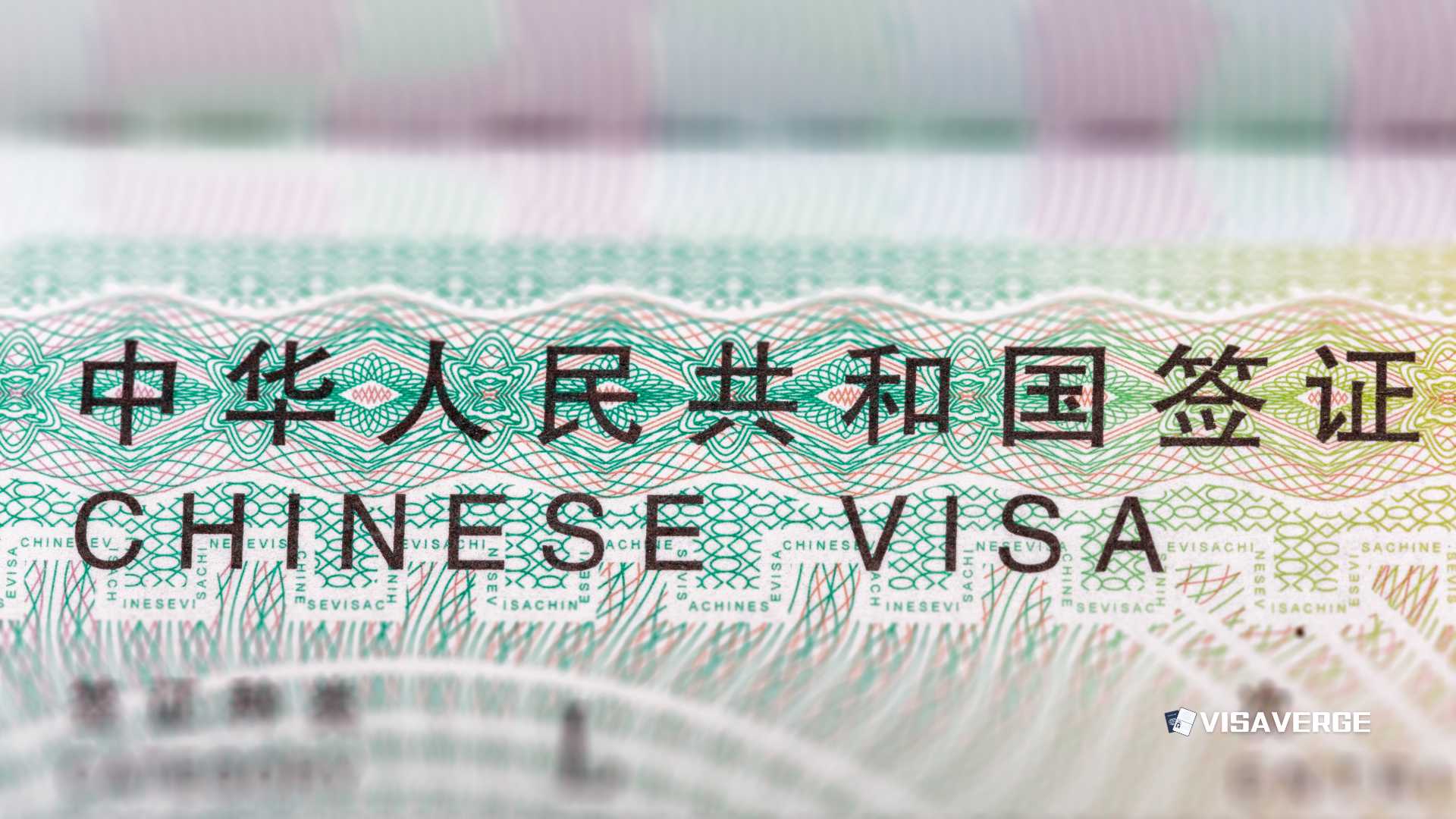
(CHINA) — China recorded a sharp rebound in inbound travel in 2025 as easier entry rules and the social-media trend known as ChinaMaxxing drew more foreign visitors, with visa-free entry accounting for most arrivals.
Industry and official figures point to record or near-record foreign arrivals in 2025. The strongest gains came from travelers entering without visas, a shift that has turned border policy into the clearest driver of the recovery.
Free toolB1/B2 Tourist Visa Stay Calculator online
Inbound arrivals more than doubled in 2025 versus 2024, according to Ctrip data. In the first three quarters of 2025, nearly 21 million foreigners entered without a visa, up 50% year on year and more than 70% of all arrivals in that period.
Trip.com reported that inbound tourism orders in the first three quarters of 2025 grew by 100%. Orders from countries with visa-free access rose by an average 153%.
China’s visa-free and transit programs brought in 30.08 million inbound visits in 2025, up 49.5% year on year. Those travelers made up nearly 73% of all foreign arrivals.
Authorities expanded unilateral visa-free access and rolled out a 240-hour transit visa-free policy, steps that multiple data points in the material identify as a central reason for the increase. The effect showed up not only in annual tallies but also at land crossings during holiday peaks.
At the Gongbei Border Inspection Station, daily crossings topped 430,000 on January 1, 2026. The next day, traffic rose to more than 440,000, a six-year single-day record.
Group travel also accelerated. On January 1, 2026, 263 Vietnamese tour groups totaling 4,377 people crossed into China, with year-on-year increases of 415% in groups and 535% in travelers.
Those gains reflect a broad change in how foreign visitors can enter the country. Visa-free entry now accounts for the majority of inbound movement, replacing a model that relied far more heavily on standard visa processing and giving airlines, tour operators, and hotels a larger pool of short-notice travelers.
The social-media term ChinaMaxxing has added a different kind of pull. The phrase refers to Gen Z and other users embracing Chinese technology, Chinese brands, and a stylized Chinese lifestyle while sharing travel content that presents the country as futuristic, efficient, and attractive.
That online framing does not replace policy changes; it appears to amplify them. Easier entry lowers the barrier to book a trip, while ChinaMaxxing makes the destination feel familiar and aspirational to younger travelers who already follow Chinese products and daily-life content online.
Market data from 2025 shows where much of that demand came from. Trip.com identified South Korea, Singapore, and Malaysia as the top three source markets.
Russian arrivals climbed even faster. Visitors from Russia surged 205% year on year.
Regional destinations inside China also posted steep gains. Chongqing recorded a 170% year-on-year increase in inbound visitors, and some hotel bookings in commercial districts rose eightfold.
The rise in arrivals has fed directly into tourism spending expectations. The World Travel & Tourism Council projected that China’s Travel & Tourism sector would contribute ¥13.7 trillion to the economy in 2025, with international visitor spending projected to rise further.
That spending outlook matters because the rebound in inbound tourism has not come from a single corridor or a one-off holiday effect. It combines looser entry rules, stronger demand during peak travel periods, and a larger share of visitors who can enter quickly under visa-free or transit arrangements.
Visa-free access appears to have changed the composition of inbound travel as much as the volume. Nearly 21 million foreigners entered without a visa in the first three quarters of 2025, and the year-end total of 30.08 million visa-free and transit visits suggests the policy shift became the dominant channel for foreign arrivals.
Holiday traffic figures from early 2026 suggest the momentum carried into the new year. The back-to-back records at Gongbei and the jump in Vietnamese tour groups point to continued demand from nearby markets that can respond quickly when border procedures are lighter.
ChinaMaxxing gives that recovery a cultural layer that standard tourism campaigns rarely produce. Travel interest tied to Chinese consumer technology, domestic brands, and everyday urban life presents the country less as a distant stop on a checklist and more as a place already embedded in what younger users watch, buy, and discuss.
That combination has reshaped the inbound story. Easier entry rules opened the gate, holiday demand filled it, visitor spending strengthened the commercial case, and viral online interest made China look accessible and culturally cool at the same time.
With visa-free entry now driving most inbound movement and source markets from Asia and Russia posting sharp gains, the recovery in 2025 and the border records at the start of 2026 show a tourism rebound powered by policy first, then accelerated by ChinaMaxxing.