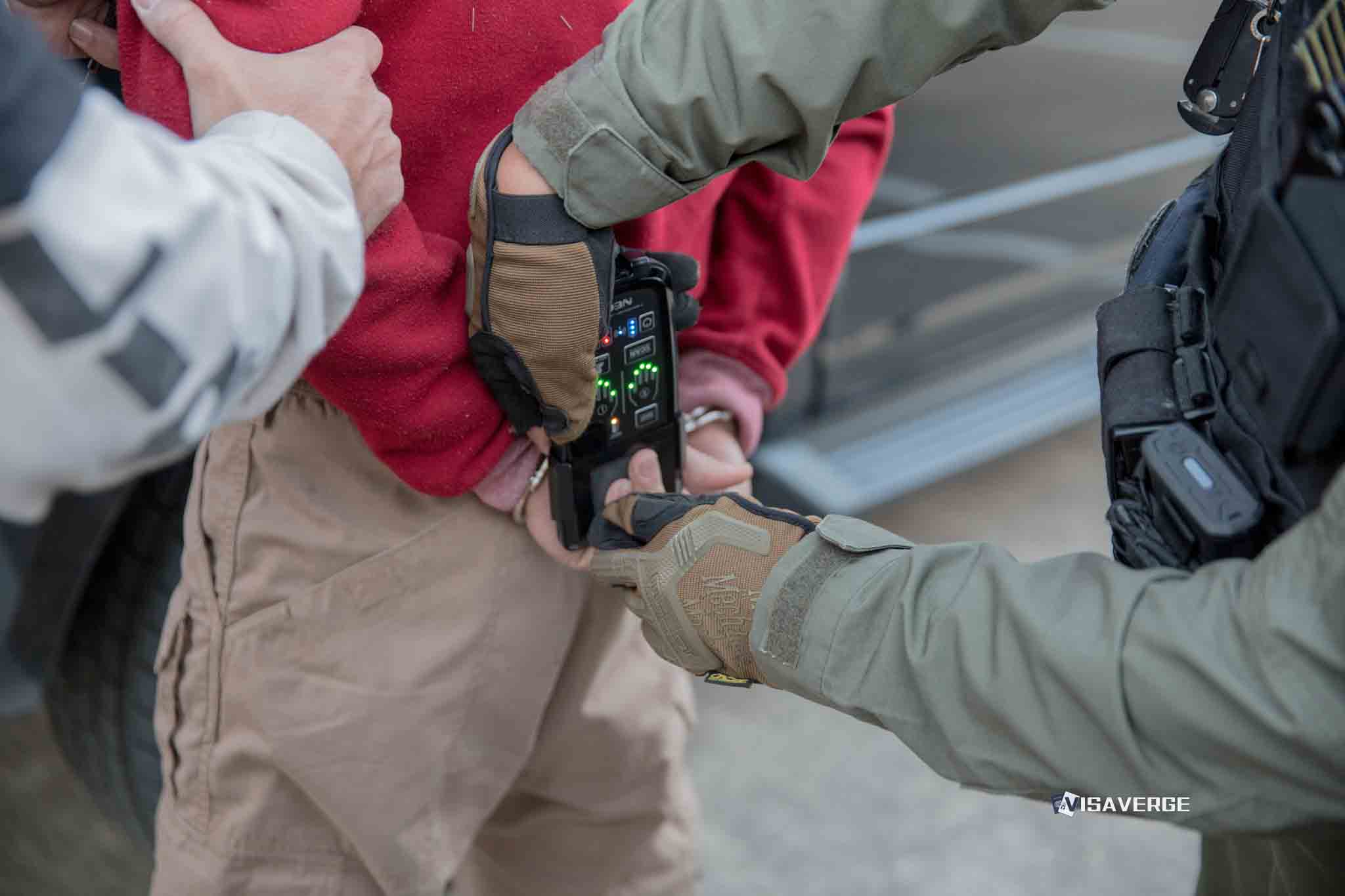
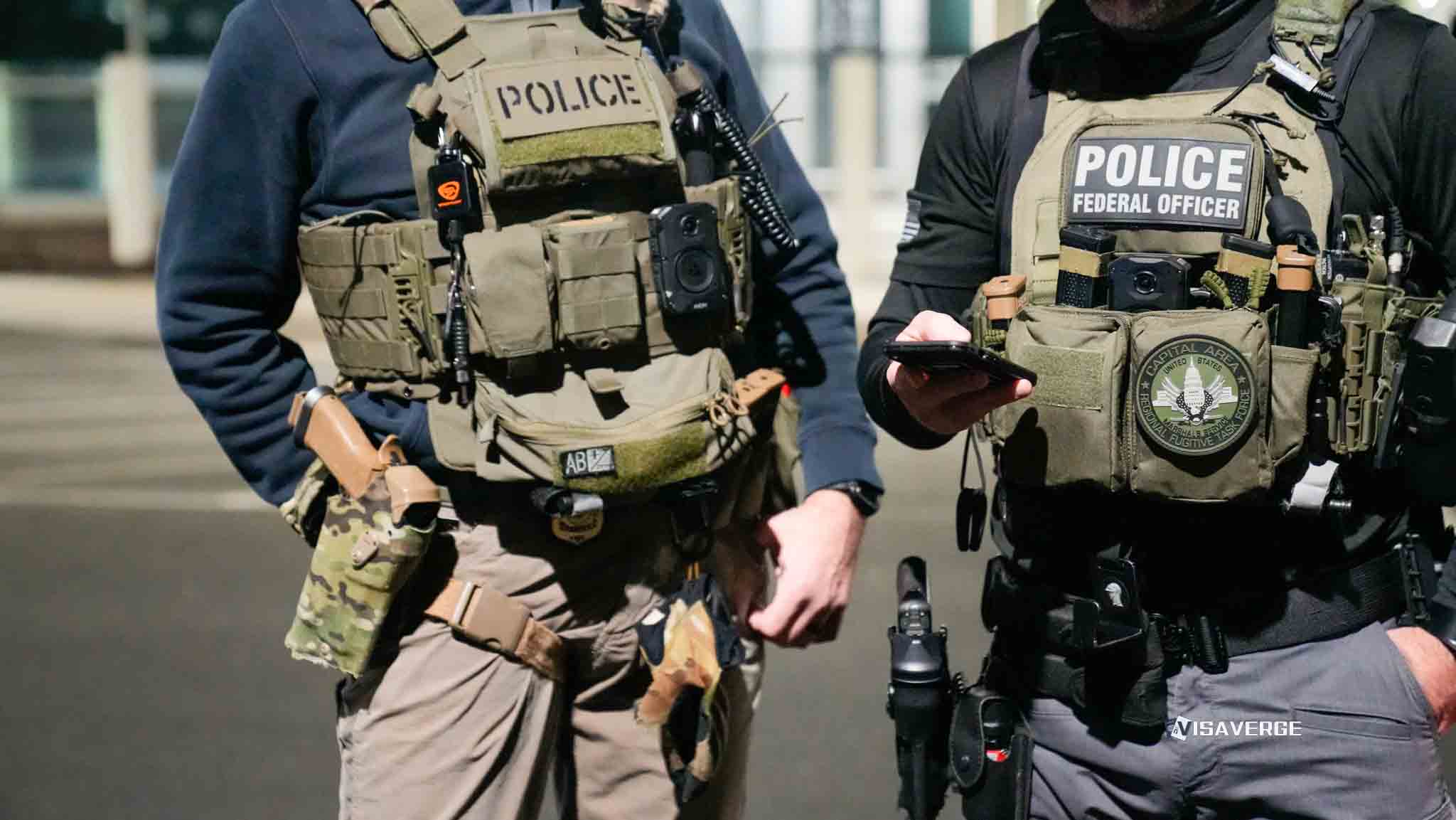
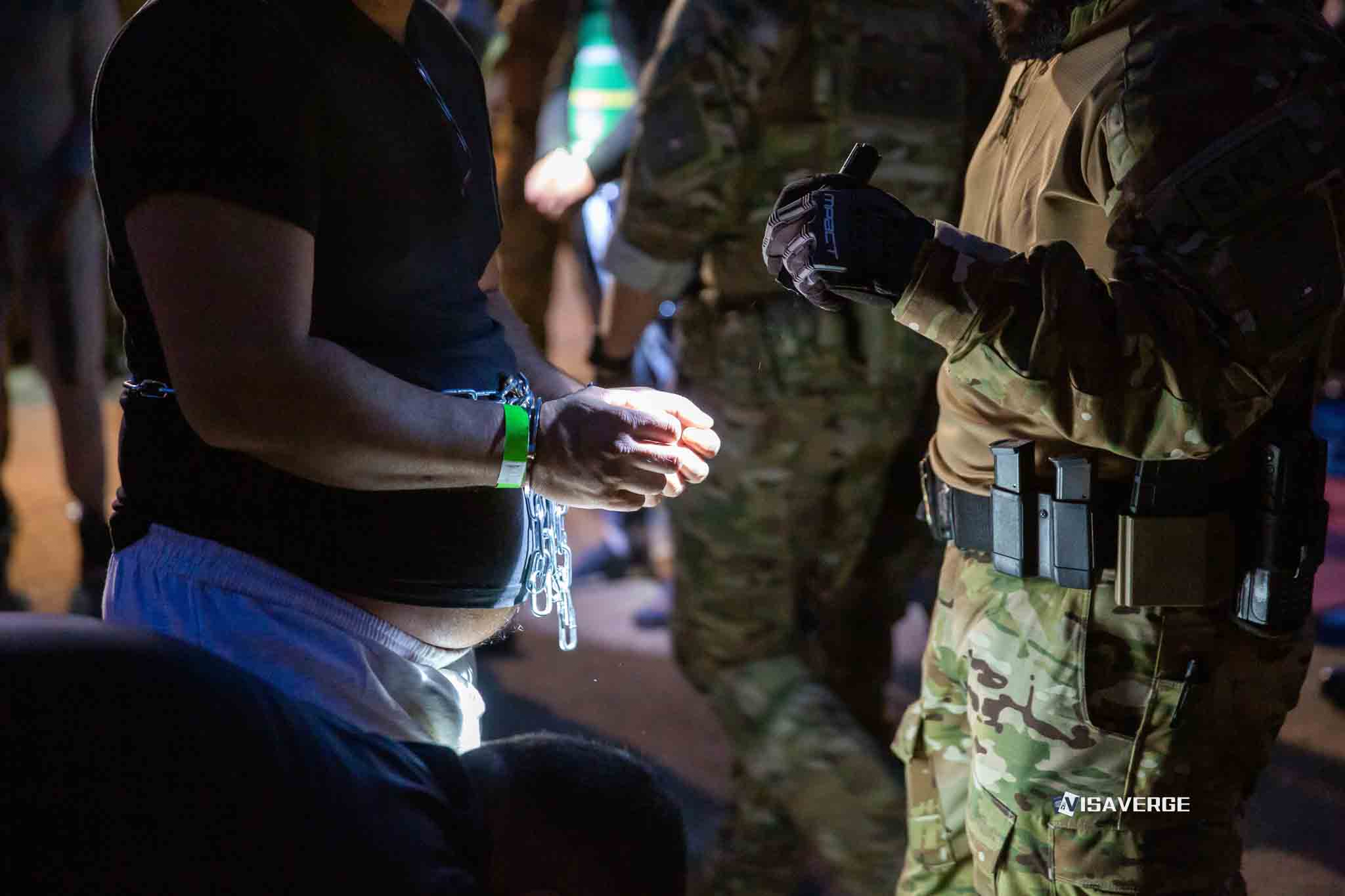
On July 14, 2026, the Department of Homeland Security announced that every ICE arrest team must include at least one agent wearing a body camera after the fatal July 13 shooting of Johan Sebastian Duran Guerrero in Biddeford, Maine. The policy push follows confirmation that no usable video was captured in the shooting, even though some officers wore devices with camera functions that were not activated.
- DHS said more than half of ICE field offices now have body cameras, and the remaining offices are expected to receive them within 60 days.
- The fatal shooting occurred on July 13, 2026 in Biddeford, Maine, during an ICE enforcement action involving 26-year-old Johan Sebastian Duran Guerrero.
- According to the new reporting, the officers on scene wore Motorola SVX devices with camera capability, but they were used only as remote microphones because the video function required an unactivated Axon subscription.
- President Trump signed a law in April 2026 providing $20 million for body cameras for federal immigration enforcement agents.
Independent Sen. Angus King and 38 Senate colleagues pressed DHS Secretary Markwayne Mullin on Sunday for sweeping ICE reforms after the fatal shootings of Lorenzo Salgado Araujo in Houston on July 7 and Johan Sebastián Durán Guerrero in Biddeford on July 13. The letter demands body-worn cameras, clearer “ICE” identification, and tighter vetting after reports that the Biddeford officer had a documented history of domestic violence.
- The senators said DHS should require body cameras for all ICE arrest teams, noting the department had pledged to distribute cameras to all field offices within 60 days.
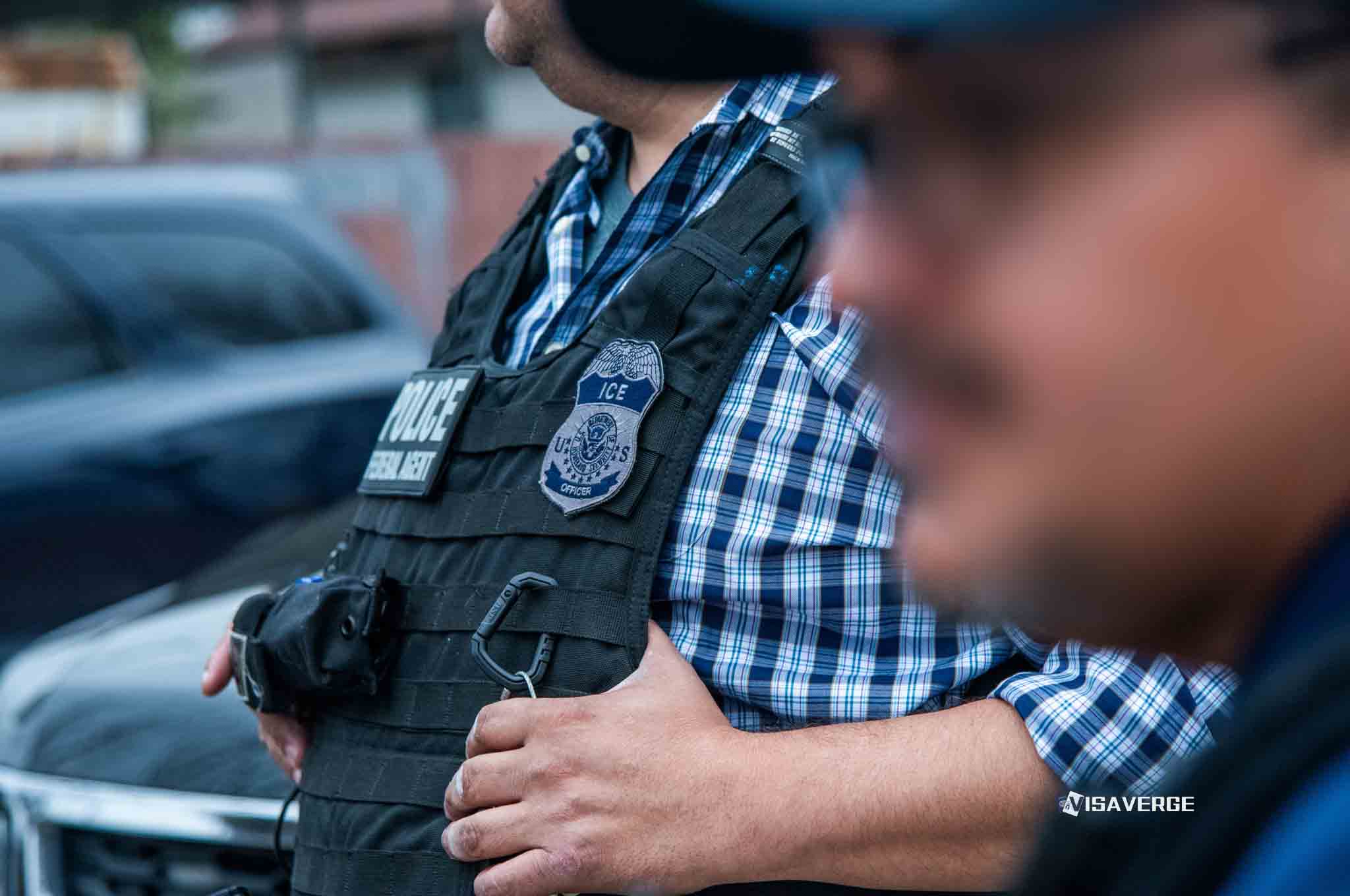
- The letter also asks DHS to stop agents from wearing generic “POLICE” gear and require explicit “ICE” markings on uniforms.
- The lawmakers want DHS to review recruitment and vetting protocols for domestic violence history and disclose whether it checks family court or domestic violence records.
- After the shootings, DHS ordered ICE on July 14 to suspend most vehicle stops nationwide, and President Donald Trump overturned that directive on July 16.
1 earlier update
On July 14, 2026, the Department of Homeland Security announced that every ICE arrest team must include at least one agent wearing a body camera after the fatal July 13 shooting of Johan Sebastian Duran Guerrero in Biddeford, Maine. The policy push follows confirmation that no usable video was captured in the shooting, even though some officers wore devices with camera functions that were not activated.
- DHS said more than half of ICE field offices now have body cameras, and the remaining offices are expected to receive them within 60 days.
- The fatal shooting occurred on July 13, 2026 in Biddeford, Maine, during an ICE enforcement action involving 26-year-old Johan Sebastian Duran Guerrero.
- According to the new reporting, the officers on scene wore Motorola SVX devices with camera capability, but they were used only as remote microphones because the video function required an unactivated Axon subscription.
- President Trump signed a law in April 2026 providing $20 million for body cameras for federal immigration enforcement agents.
- An ICE agent shot and killed a motorist in Biddeford, Maine, during a Monday morning warrant operation.
- Senator Angus King confirmed the victim was not the target of the arrest warrant being executed.
- State and federal agencies are investigating the incident as protests against enforcement tactics erupt locally.
An ICE agent shot and killed a motorist Monday morning in Biddeford, Maine, during a warrant operation, and Sen. Angus King said the man was not the person officers intended to arrest.
The shooting occurred just before 7:18 a.m. at the corner of Pool and Hill streets. The motorist died at the scene.

King said Homeland Security Secretary Mullin told him the 26-year-old man from Colombia had received an order to leave the United States but was not the target of the warrant. Immigrant-rights advocates said the man was authorized to work in the country and had a Social Security number.
The man’s name had not been publicly released. Advocates identified him as a local resident with a wife and young daughter.
“The motorist killed by ICE officers in a Maine shooting Monday was not the target of the warrant the officers were executing,” King said.
King said the secretary contacted him after receiving new information about the encounter. U.S. Rep. Chellie Pingree said she received the same account.
“I was also told the person who was shot by the ICE officer was not the person they had an order to pick up,” Pingree said.
The account raised immediate questions about how the warrant operation led to the motorist’s death. King said Mullin told him the motorist “weaponized the vehicle” before an agent fired.
The statements did not provide a complete account of the vehicle’s movement, the warnings given at the scene or the precise sequence before the shooting. Those details are now part of the official inquiries.
State and federal agencies are investigating the morning shooting
Maine State Police, the FBI and the Maine Attorney General’s Office are investigating. Biddeford police said their officers provided security at the scene.
Maine House Speaker Ryan Fecteau said state officials arrived to collect information and expected the FBI to take part in the inquiry.
“A person was killed. ICE was involved. State Police and the Department of Public Safety are now on scene to gather details and would expect the FBI to investigate as well,” Fecteau said.
Gov. Janet Mills said state police were working with the attorney general’s office, the Maine Office of Chief Medical Examiner and federal officials.
“The Maine State Police are at the scene supporting and working cooperatively with the Attorney General's Office, Maine’s Office of Chief Medical Examiner, and Federal officials to determine the facts of what occurred this morning,” Mills said.
The inquiries began as federal officials continued an immigration enforcement operation in the southern Maine city, about 15 miles southwest of Portland.
Witnesses described the moments after the shots
Neighbor Daniel Boucher said he heard sounds resembling “fireworks” before seeing agents remove a driver who was “bleeding profusely from the head.” Boucher said the man’s final words were, “I tried to stop.”
The scene also drew the victim’s wife. Witness Mary Hayes said she saw the woman fall to her knees beside her husband’s body.
The couple’s young daughter was also identified by advocates and witnesses as part of the family affected by the shooting. The victim’s identity remained undisclosed as officials gathered evidence.
The shooting took place during the morning commute at a busy city intersection. Police secured the area while state and federal personnel worked at the scene.
Advocates said the motorist had work authorization
The Maine Immigrants' Rights Coalition and Presente! Maine said the man was legally permitted to work in the United States. They also said he had been issued a Social Security number and lived in the area with his family.
Those groups characterized him as a productive member of the community. Their account described a man with legal work authorization, while King said the secretary told him the motorist had an order to leave the country.
The two descriptions concern different questions: the man’s ability to work and the removal order Mullin reportedly described. Neither establishes that he was the subject of the warrant carried out Monday.
Hundreds of demonstrators later gathered at Mechanics Park and at Sen. Susan Collins’ district office in Biddeford. Protesters chanted “ICE out now” and “No ICE, Stop ICE.”
Collins called for a “full and impartial investigation.”
The death followed another fatal ICE shooting in Houston
The Biddeford shooting followed a fatal shooting by ICE agents in Houston, Texas, making it the second such incident in a week. It was also described as at least the ninth fatal shooting since the current administration began its immigration crackdown.
The figures place Monday’s death within a wider debate over federal immigration enforcement. Critics, including Gov. Tim Walz and Rep. Brad Schneider, have described the tactics as part of a “dehumanizing and extremist culture.”
Markwayne Mullin became Homeland Security secretary after the Senate confirmed him in March 2026. He briefed King about the Biddeford shooting and the claim that the motorist was not the warrant target.
The death has also renewed calls for closer scrutiny of federal officers’ use of force during immigration operations. Officials in Maine continued examining the scene and the circumstances surrounding the shooting Monday.
The investigations will determine how the warrant operation unfolded and whether the shooting complied with applicable rules governing deadly force. The victim’s name, the warrant’s intended subject and a final official account of the encounter had not been released Monday.