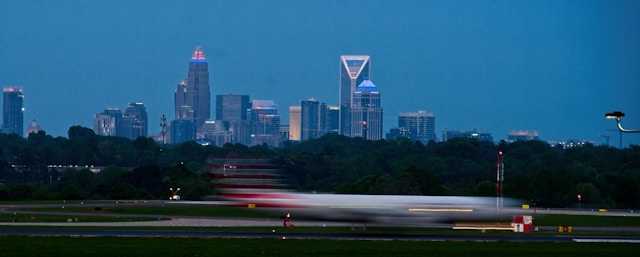
- ICE arrested 30 Kansas City residents during the World Cup matches between June 15 and July 3.
- The 2026 Secure America Act provided 38.5 billion dollars to significantly expand federal immigration enforcement funding.
- Advocacy groups issued travel advisories warning noncitizens of safety risks in tournament host cities due to raids.
The KC Community Defense Coalition said ICE arrested at least 30 Kansas City residents in the metro area between June 15 and July 3, as federal authorities intensified a deportation push during the city's World Cup matches.
The arrests coincided with the tournament, which brought international crowds and heightened security operations to the region. The coalition confirmed the figure, while federal officials described immigration enforcement as a continuing priority rather than a pause for the event.
Free toolUSCIS Receipt Number Decoder
The administration has rejected the idea of a tournament-related halt. DHS Secretary Markwayne Mullin said May 12 that agents would not conduct broad roundups, but would act when they encountered people federal authorities considered criminal targets.
"ICE always says immigration enforcement. We’re always going to do that. We're not there to go round up [people]. [but] when law enforcement agents encounter criminal targets. we're going to do our job."
Mullin made the statement while discussing ICE operations at the World Cup. Federal officials have also pointed to public-safety enforcement and tournament security, including counterfeit goods and drone threats.
Acting Assistant Secretary Lauren Bis described recent arrests in broader terms on July 7. She said ICE officers had removed people she called public-safety threats, including pedophiles and violent assailants, and said the administration's deportation efforts had broad public support.
"Every day, our best of the best ICE officers are removing the worst of the worst from our communities. Just yesterday, ICE arrested pedophiles, violent assailants, and other public safety threats from American communities. The American people overwhelmingly support the Trump administration's efforts to deport criminal illegal aliens."
ICE has also said immigration status, rather than another characteristic, determines who becomes an enforcement target.
"What makes someone a target for immigration enforcement is whether or not they are illegally in the U.S. — full stop. Speculation to the contrary is ill-informed."
The agency issued that statement in May. A DHS message on July 2 took a similar position, saying federal officers would find, arrest and deport people who entered the country illegally.
Federal funding expanded before the matches began
President Trump signed the Secure America Act on June 10, shortly before the tournament. The law provided $38.5 billion in funding for ICE, including $350 million to help arrest people described in the law as "criminal illegal aliens" in jurisdictions that do not cooperate with federal authorities.
The measure has sharpened disputes involving local governments that limit cooperation with federal immigration authorities. Kansas also has a separate enforcement pathway. In February 2025, the Kansas Bureau of Investigation signed an agreement with DHS allowing local sheriffs to assist ICE.
By July 2, ICE had signed 2,070 Memorandums of Agreement for 287(g) programs across 39 states. Those agreements give participating state and local law-enforcement agencies a role in federal immigration enforcement.
The Kansas City arrests came amid a broader national surge. Official but non-public data cited in the research showed ICE arrested 10,000 people over a five-day period in late June 2026.
Residents described arrests near homes and workplaces
Witnesses in Kansas City's Historic Northeast neighborhood reported seeing agents detain residents during ordinary activities, including mowing lawns. On July 6, a father was detained in front of his home, leaving the door open while his children discovered that he was gone.
The reported arrests continued to shape local reactions after the coalition's June 15-to-July 3 count. On July 9, federal agents raided La Fontanella Foods in Kansas City and detained eight workers.
The Jackson County Sheriff said the operation involved a criminal search warrant, not an immigration raid. The presence of HSI agents nevertheless fueled fear in the surrounding community.
Advocates for Immigrant Rights and Reconciliation, known as AIRR, issued travel advisories warning that a "deteriorating human rights situation" made it unsafe for noncitizens to attend matches or conduct daily activities in host cities.
Before the tournament, Human Rights Watch and other groups called for an "ICE Truce" that would have barred enforcement near World Cup venues. The administration never granted that commitment.
Security operations ran alongside trafficking investigations
ICE HSI Kansas City reported on July 12 that agents had arrested 14 suspects and rescued 8 missing children in human-trafficking stings since the tournament began.
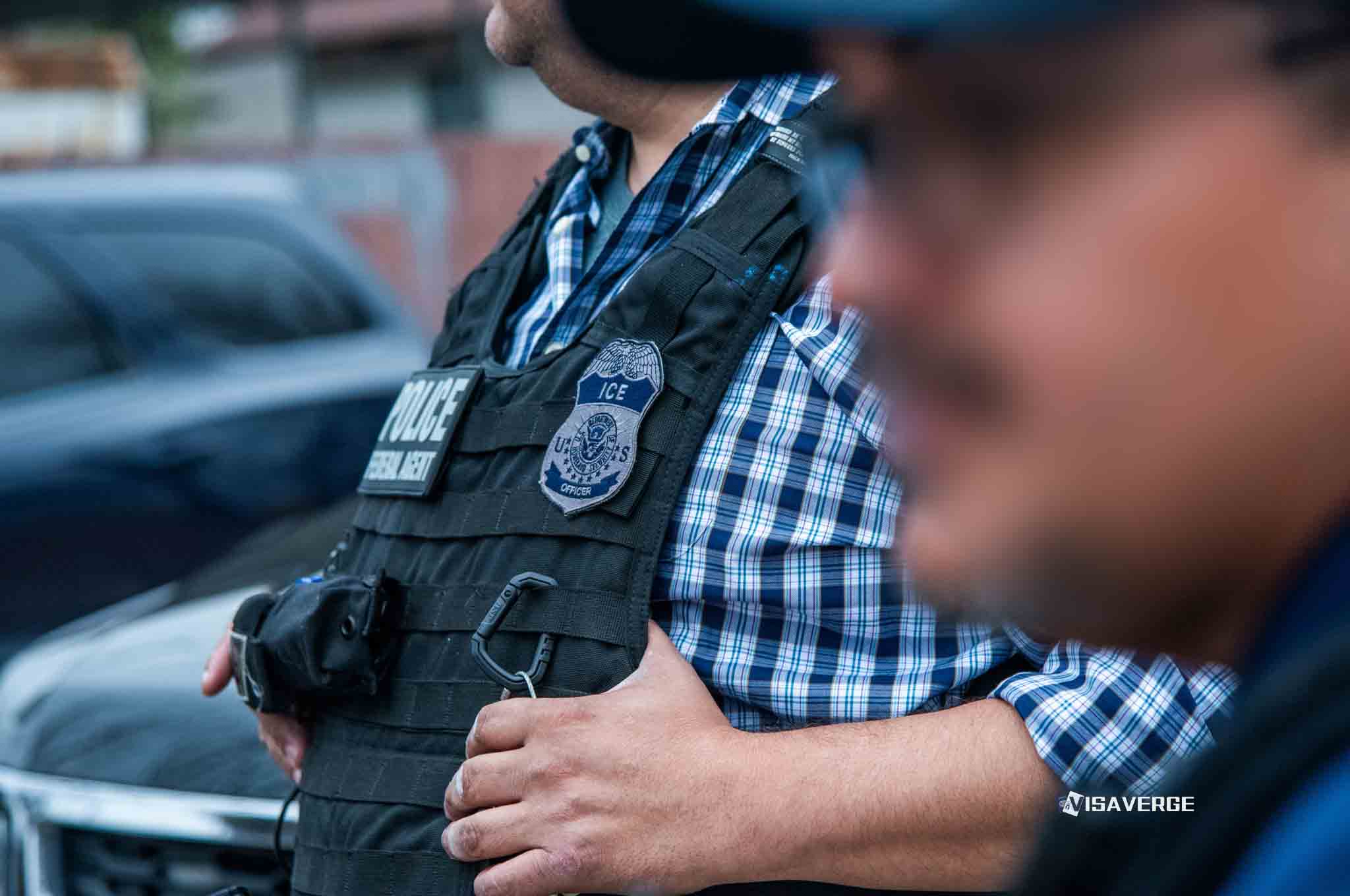
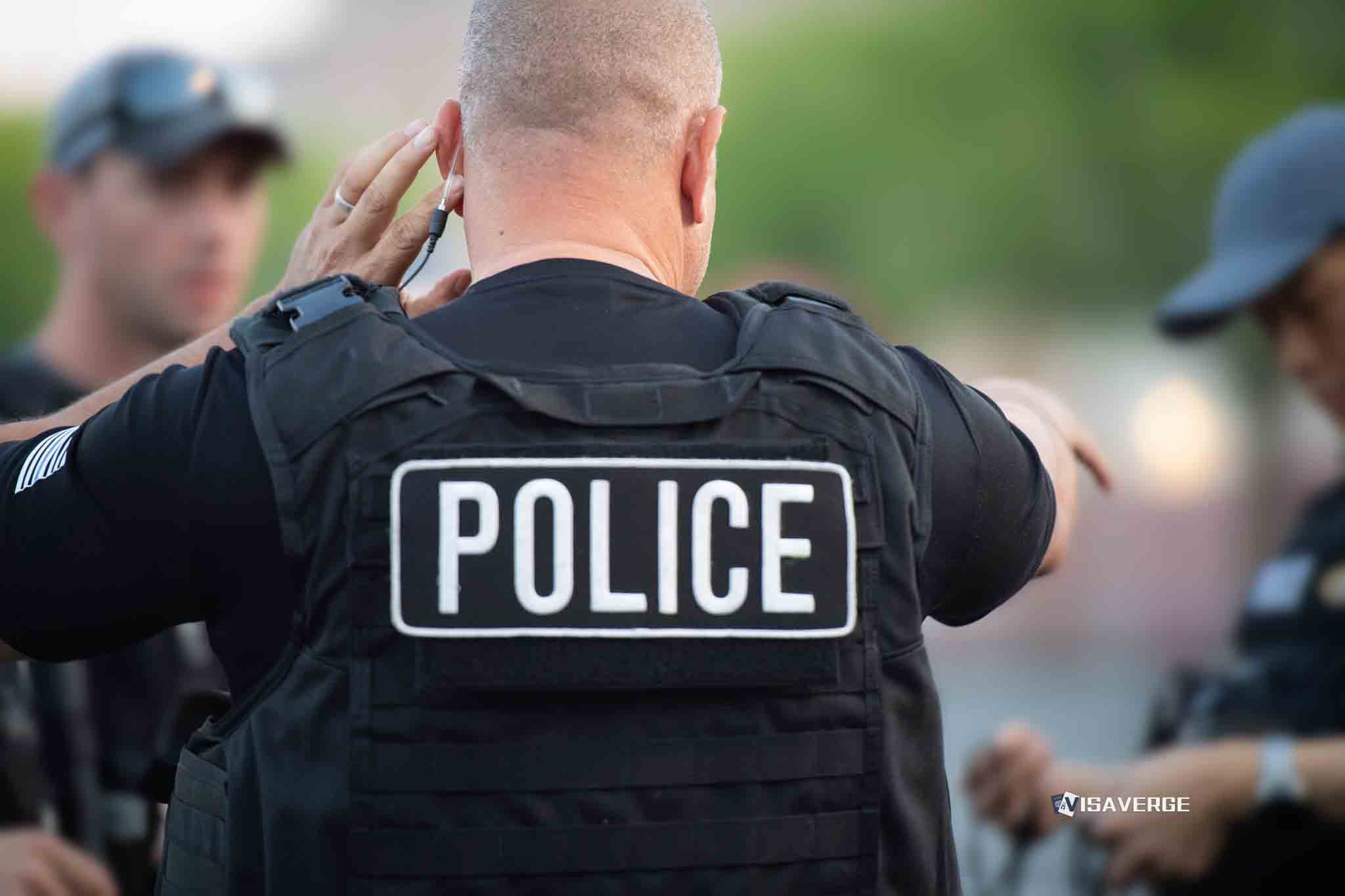
The operation provided another public-safety rationale for the agency's presence in the region. At the same time, masked agents in tactical vests appeared in residential neighborhoods and workplaces, leading advocates to describe the deployment as serving both security and immigration-enforcement purposes.
DHS framed the national effort in direct terms in its July 2 statement:
"Since Day One, DHS law enforcement has been delivering on President Trump’s promise to the American people to arrest and deport criminal illegal aliens. our message is clear: if you come to our country illegally, we will find you, we will arrest you, and we will deport you."
The Kansas City arrests have placed a World Cup host city at the center of a dispute over federal authority, local cooperation and enforcement in communities that receive international visitors. The Secure America Act's funding and the expanding 287(g) network will remain in place after the tournament ends.
This article provides general information and is not legal advice. Consult a qualified immigration attorney about your specific case.