- A proposal for a single citizenship certificate aims to resolve gaps in verifying Indian nationality.
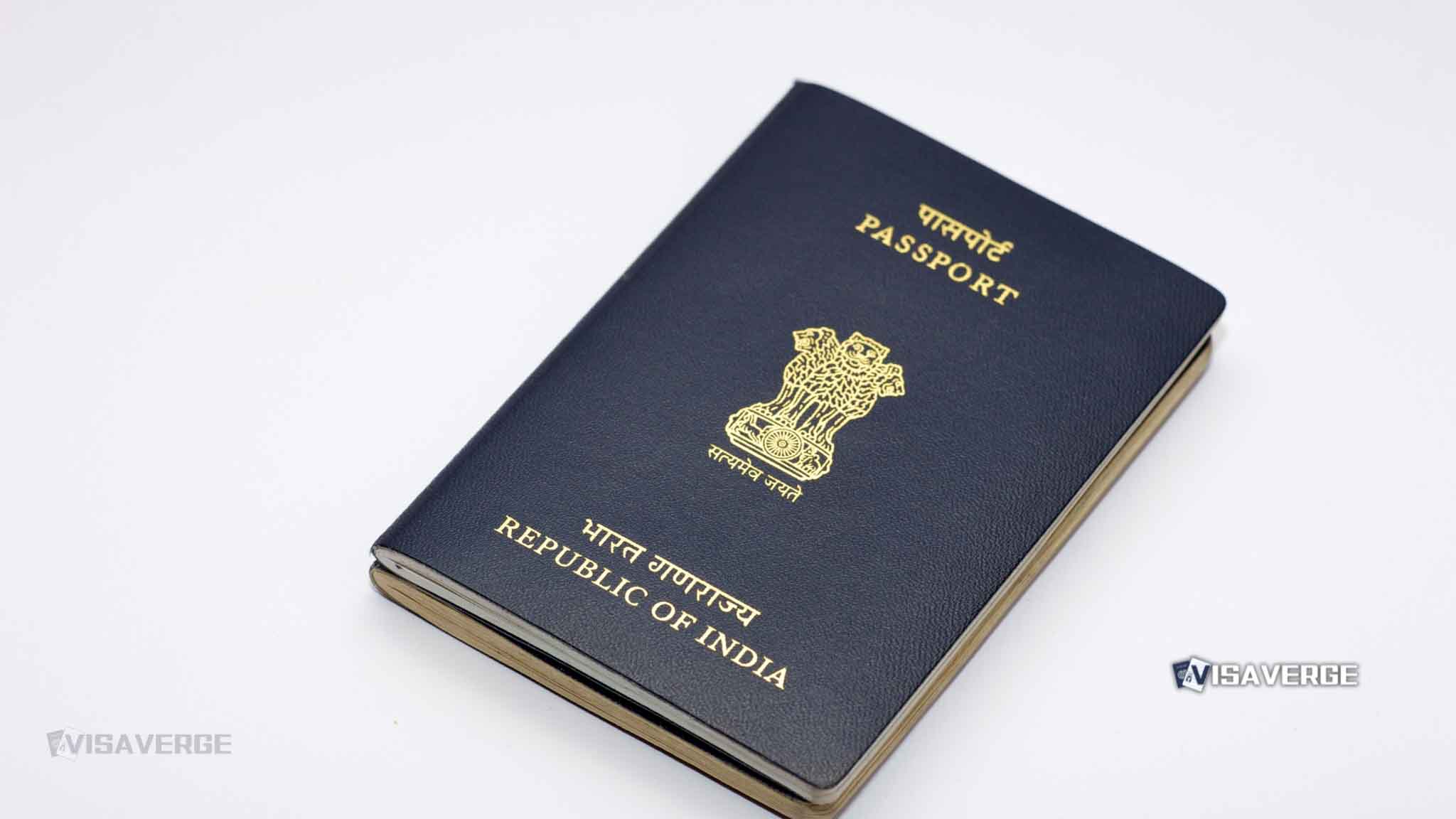
- Indian passports serve as strong evidence of nationality but may not be legally conclusive in disputes.
- The current system relies on The Citizenship Act nineteen fifty-five rather than a universal identity document.
A recent proposal for a single citizenship certificate has revived concern over whether an Indian passport should conclusively establish nationality, but it has not created a new application requirement. Indian citizens are not being asked to replace existing documents or obtain a universal certificate because of the debate.
The proposal came through an opinion article calling for a uniform certificate for every citizen. The underlying problem is broader: India has no single document accepted in every setting as universally conclusive proof of citizenship.
That gap can affect overseas Indians, children born abroad, naturalised citizens, elderly people with incomplete records and families whose names or birth dates differ between government documents. The issue is evidentiary. It is not a new citizenship test.
Free toolSubstantial Presence Test CalculatorAadhaar illustrates the distinction. The Unique Identification Authority of India says the document proves identity, but does not confer citizenship or domicile. Possessing it therefore does not settle a person’s nationality.
Citizenship turns on law, not one identity document
The Citizenship Act, 1955 governs the main routes to Indian citizenship: birth, descent, registration, naturalisation and incorporation of territory. The relevant statutory provision and the facts at the time determine the result.
Birth dates can change that result. Under the broad rules in Section 3, a person born in India between January 26, 1950 and June 30, 1987 is generally a citizen by birth, subject to statutory exceptions. Those born between July 1, 1987 and December 2, 2004 generally need at least one Indian-citizen parent.
The rule tightens again. A person born in India on or after December 3, 2004 generally needs two Indian-citizen parents, or one Indian-citizen parent and another parent who was not an illegal migrant at the time of birth.
Parental nationality and immigration status can therefore matter as much as the place of birth. A universal certificate could make the result easier to demonstrate, but it would not replace those legal tests.
Children born outside India face another layer. Section 4 governs citizenship by descent, and for many children born abroad after the 2003 amendment took effect, birth registration at an Indian consulate within the prescribed period is important. The Central Government can approve registration after the ordinary period.
Families should retain the foreign birth certificate, the parents’ Indian travel documents valid at the time of birth, citizenship records, the consular birth-registration certificate and any delayed-registration approval. Records explaining later changes in names, nationality or marital status may also become relevant.
An Indian travel document carries weight, but not always finality
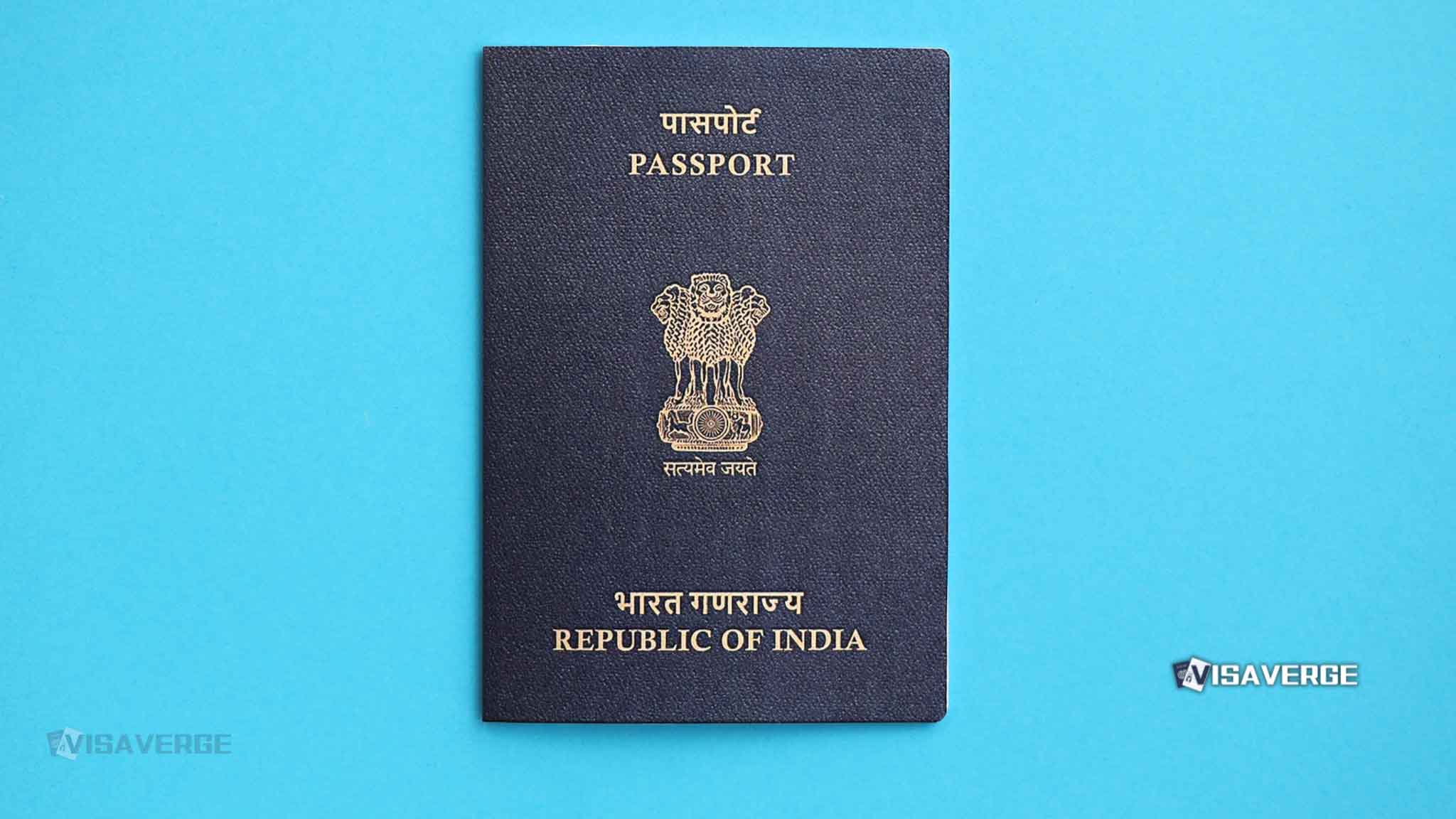
An ordinary Indian passport is normally issued on the basis that its holder is an Indian citizen. It is powerful evidence in routine travel, immigration and consular matters.
The legal framework is not identical, however. The Passports Act, 1967 regulates passports, travel documents and departure from India. Its long title refers to the departure of citizens “and other persons,” while Section 20 allows travel documents to be issued to noncitizens in exceptional circumstances.
The document system and the citizenship system are linked, but distinct. A travel document cannot create citizenship where the Citizenship Act does not confer it. It can also be cancelled, impounded, obtained through incorrect information or issued before a later dispute emerges.
That does not make a valid Indian travel document irrelevant. It is an official record issued after government verification and should ordinarily carry substantial weight unless specific material indicates fraud, error, loss of citizenship or another legal defect.
The strongest formulation is therefore limited: a valid Indian travel document is strong evidence of Indian nationality, but may not be legally conclusive in every disputed proceeding.
The courts have applied that balance to different facts. In a 2013 Bombay High Court case, applicants relied on birth records, Aadhaar and travel documents while contesting allegations about nationality. The documents had already been terminated and were not before the trial court. The court found no legal basis for relying on them and also noted the absence of satisfactory evidence about the parents’ citizenship.
That ruling does not establish that every valid Indian travel document is irrelevant. In the Delhi High Court’s 2018 decision in Prabhleen Kaur v. Union of India, the court treated travel-document history as evidence of nationality. It held that officials could not disregard that material merely because they suspected the person’s citizenship, and found that nationality could not be denied without concrete supporting evidence.
Indian law already has targeted certificate mechanisms
A citizenship certificate would not be entirely new. People who obtain citizenship through registration or naturalisation receive certificates under the Citizenship Act and the Citizenship Rules, 2009. The rules prescribe certificates for those categories and require records of the grants.
Section 13 provides another route when citizenship is in doubt. The Central Government may issue a certificate confirming citizenship, and, unless fraud, false representation or concealment of material facts led to it, the certificate is conclusive evidence that the person was a citizen on the specified date.
Rule 37 sets out Form XXXIII for that certificate. An authorised Central Government officer must sign it.
This mechanism is not an automatic certificate for every person born in India. It addresses cases in which citizenship requires formal confirmation.
Section 14A gives the Central Government power to compulsorily register every citizen and issue a national identity card. It also provides for a National Register of Indian Citizens and a National Registration Authority.
The challenge would be implementation. Any nationwide system would need rules for accepted records, disputed applications, appeals, corrections, privacy and people whose documents were never created or later lost.
The largest gaps appear in overseas and older records
Overseas Indians renewing documents through an Indian mission may need to establish a continuous identity and citizenship record. A portable certificate could reduce repeated requests for old documents, parental records and historical evidence.
Children born abroad could benefit before adulthood. Their cases may involve consular registration, the parents’ status at birth and later acquisition of another nationality.
Registered and naturalised citizens already hold formal certificates. A secure digital verification system could let government offices and Indian missions authenticate those records without repeatedly demanding originals.
Older citizens and families affected by migration or displacement may have no conventional birth certificate. A fair system would need alternative evidence and a hearing process rather than a rigid single-document rule.
Name spellings, transliteration, birth dates and parental names create another recurring problem. A citizenship certificate could separate the nationality decision from ordinary corrections to identity records.
The issue also reaches OCI cardholders. Overseas Citizenship of India status is not dual Indian citizenship. The Ministry of Home Affairs describes holders as foreign nationals who receive specified immigration and residence benefits, but not an ordinary Indian passport.
An OCI card, Aadhaar, PAN or long residence in India serves a different legal purpose. Former Indian citizens who voluntarily acquired another country’s citizenship may use OCI status, but that status does not continue or restore full Indian citizenship.
Reform would need notice, alternatives and an appeal
A national certificate could reduce repeated disputes only if authorities first establish clear safeguards. A valid Indian travel document should ordinarily create a rebuttable presumption of citizenship, while officials retain the ability to act on specific contrary evidence.
The government would also need to publish a hierarchy of acceptable records and alternatives for people without birth certificates or parental documents. Minor spelling differences should not become nationality disputes.
No adverse determination should occur without notice, disclosure of the relevant grounds, an opportunity to respond and an effective appeal. Both physical and digital certificates would be needed so that people without smartphones, internet access or digital literacy are not excluded.
Privacy would be central. A national record containing birth, parentage and nationality information would require strict cybersecurity and access controls.
Until any reform is introduced, citizens should retain old and current travel documents, birth records, school certificates and records showing changes to names or dates of birth. Families with children born abroad should complete consular registration promptly and preserve the parents’ citizenship records from the child’s birth.
People who acquired citizenship through registration or naturalisation should keep their certificates rather than rely only on identity documents. Discrepancies among birth records and travel documents should be corrected before an urgent renewal, visa application or foreign immigration proceeding.
The debate now points toward a proof standard, not merely another card. India already has targeted certificates and statutory authority for citizen registration. The unresolved question is whether those tools will become a transparent nationwide system that explains when citizenship is established, when official records may be challenged and what remedy follows when they are wrong.