- India’s strict ban on dual citizenship forces migrants to choose between their identity and practical foreign benefits.
- Over two million Indians renounced citizenship since 2011, driven by career growth and travel ease abroad.
- The OCI status provides access to India but lacks voting rights and certain property ownership privileges.
Long-settled Indians abroad are delaying or refusing foreign naturalisation even when a new passport would make travel, voting, work, and residency rights easier, because taking another nationality usually means giving up Indian citizenship and surrendering the Indian passport.
The choice has drawn renewed attention after an article published on April 23, 2026 described migrants in Britain who saw their Indian passport as a link to family history, belonging, and home rather than a document used at an airport counter.
That tension sits at the center of the decision for many in the diaspora. A foreign passport can bring stronger rights in the country where a person has lived for years, but the legal cost for Indians abroad is unusually high because India does not allow dual citizenship.
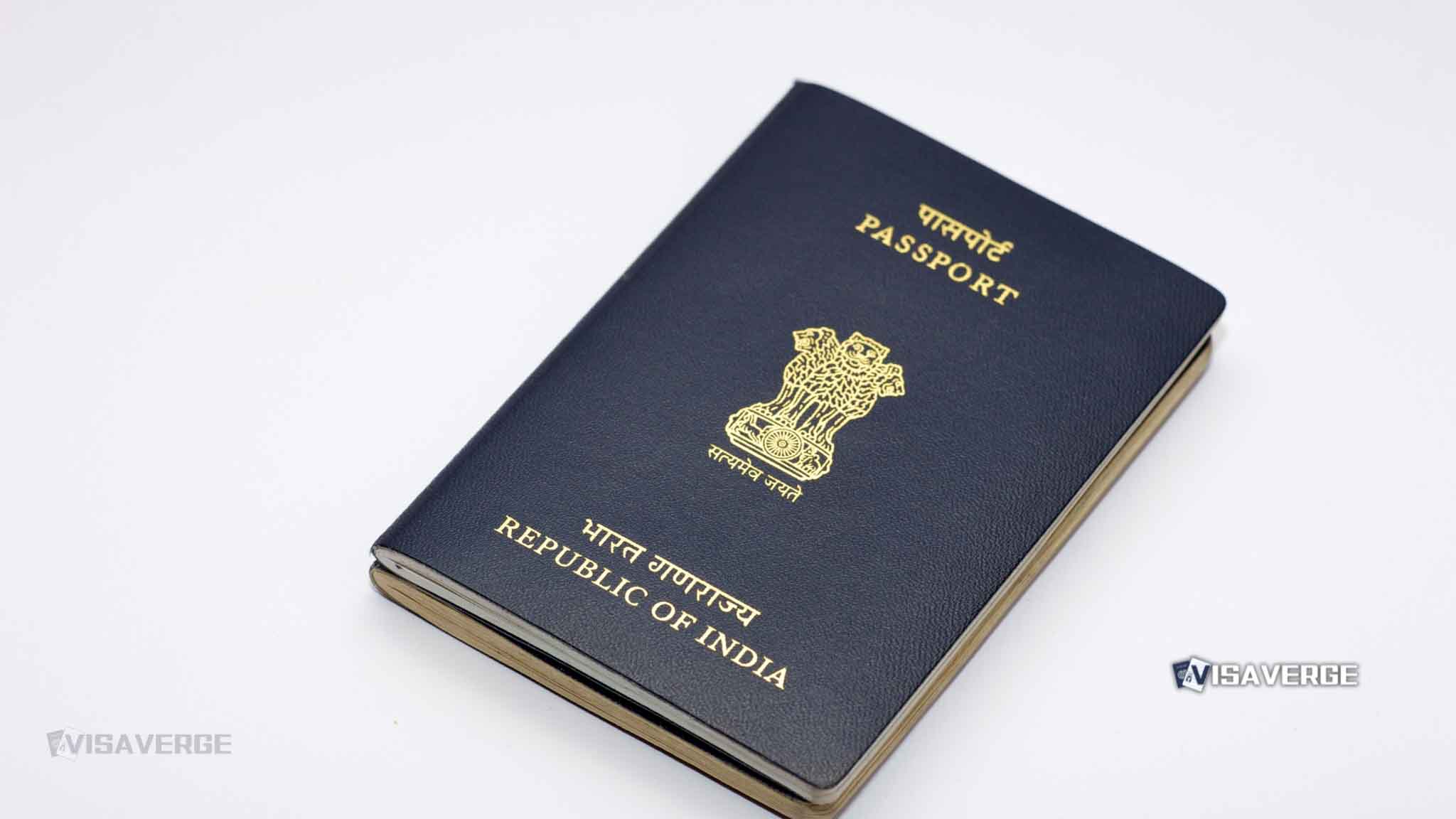
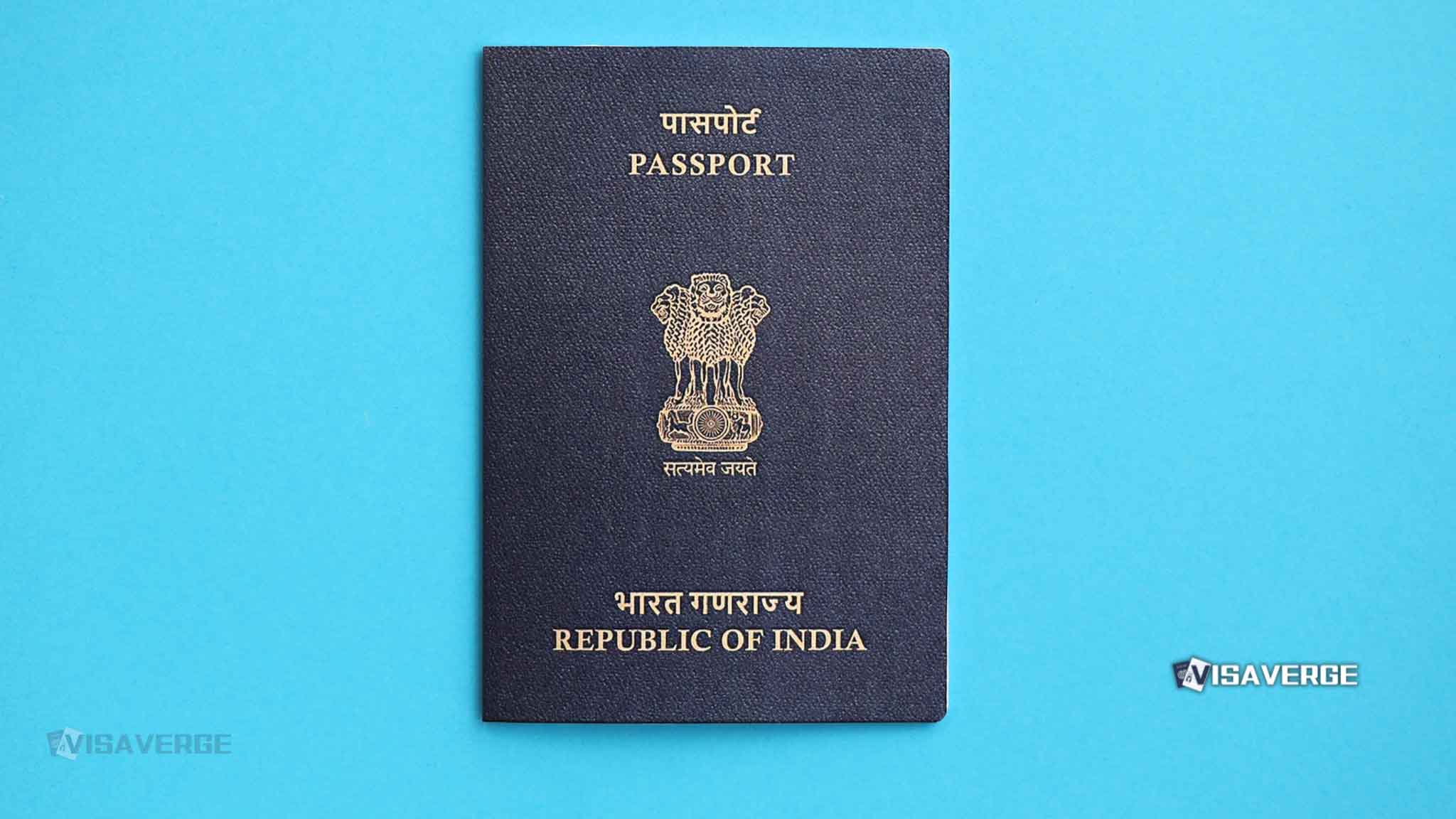
The Ministry of External Affairs has said dual citizenship is not allowed under Article 9 of the Constitution of India read with Section 9 of the Citizenship Act, 1955. An Indian citizen who voluntarily acquires the citizenship of another country generally ceases to be an Indian citizen and must surrender the Indian passport.
That rule turns naturalisation into more than an administrative step. Citizens of countries that permit dual nationality can often add a second passport without losing the first; Indians usually cannot.
Indians who become citizens of Britain, the United States, Canada, Australia, or European countries may gain stronger residence security, voting rights, broader travel access, and eligibility for some government jobs. They must also complete Indian citizenship renunciation and passport surrender procedures.
Passport Seva requires applicants seeking surrender to submit the Indian passport and proof of foreign nationality. Indian missions have also reminded former Indian citizens that the Indian Citizenship Act does not provide for dual citizenship and that foreign citizens of Indian origin must surrender Indian passports after acquiring another nationality.
Accounts from Britain showed how personal that legal step can feel. Dr. Ashraf and banker Anwar Saleem were described as seeing the Indian passport as part of an ongoing connection to India, not simply as a weaker travel document that should be traded in for a stronger one.
That sentiment runs through family discussions across migrant households. First-generation migrants often tie citizenship to origin and memory, while children raised abroad are more likely to see local citizenship as normal, practical, or necessary for their future.
Online discussions among the diaspora have reflected the same divide. Some people have described renunciation as “giving up their identity,” a phrase that captures why the decision can feel heavier than a calculation about visa-free access.
The Overseas Citizen of India system softens some of that loss, but it does not replace citizenship. The Ministry of External Affairs says OCI should not be understood as dual citizenship and does not confer political rights.
OCI holders receive a multiple-entry, lifelong visa to visit India and are exempt from foreigner registration requirements for any length of stay. Those benefits make OCI a practical travel tool for former citizens who want to keep family and business ties in India.
Still, OCI stops short of full membership. Holders cannot vote in Indian elections, cannot hold constitutional posts, and do not have the same public employment rights as Indian citizens.
Restrictions also apply to property. OCI holders face limits in areas such as agricultural land, farmhouses, and plantation property, which leaves some families weighing not only sentiment but future plans involving inheritance, investment, and return.
That gap explains why OCI can feel sufficient to some former citizens and inadequate to others. It preserves access to India, but not the full rights attached to citizenship.
Even so, large numbers of Indians continue to renounce citizenship and take foreign nationality. The reasons are usually practical and tied to a life already built abroad.
Foreign citizenship can provide permanent security in the country where a person has built a career, bought a home, raised children, or paid taxes for decades. It can also reduce dependence on visas and residence permits, expand job eligibility, simplify international travel, and allow participation in local politics.
Families often weigh those gains against the emotional cost. Citizenship abroad can make education, healthcare, inheritance planning, entrepreneurship, and re-entry rules simpler for households that expect to remain overseas for the long term.
Government data shows the scale of that shift. The Ministry of External Affairs said 2,25,620 Indians gave up Indian citizenship in 2022, 2,16,219 in 2023, and 2,06,378 in 2024.
Those figures add to more than 9 lakh renunciations in the last five years and 20.6 lakh from 2011-2024. The numbers point to a sustained movement toward foreign nationality even as many migrants describe the decision as emotionally difficult.
Career growth abroad has been one driver, especially in sectors such as information technology and healthcare. The pull also includes work-life balance, safety, and stronger research and development spending in destination countries, while India’s R&D spending was cited at 0.7% of GDP.
That wider migration pattern adds another layer to the citizenship debate. For Indians abroad, renunciation is not only about paperwork; it sits inside a longer story of migration, settlement, and the question of whether a formal break with India matches how people still see themselves.
The decision feels especially stark because it is all or nothing. Migrants from countries that permit dual citizenship can naturalise abroad and keep their original nationality, but Indians usually face a clean break in law even if their family, property, or emotional ties remain in India.
Some households resolve that tension in favor of stability abroad. Others hold on to Indian citizenship for years, even after becoming eligible for naturalisation elsewhere, because renouncing it feels like closing a door they are not ready to shut.
Anyone considering the move has to weigh legal, financial, family, and identity questions at the same time. The choice affects Indian citizenship, passport surrender, OCI eligibility, property rights, tax residence, voting rights, inheritance planning, and any plan to return permanently.
A person who expects to live abroad indefinitely may find foreign citizenship more practical. Someone who wants to preserve Indian citizenship for personal reasons, participate in Indian public life, or retain options involving restricted categories of property may reach a different conclusion.
No single answer fits the diaspora. The figures show that hundreds of thousands have decided the benefits of a foreign passport outweigh the loss, but the hesitation among many Indians abroad shows that citizenship can still carry the force of family memory, belonging, and a continuing claim on home.