- Thailand will raise embassy visa charges for Indian applicants starting April 27, 2026.
- Indian tourists still get 60-day visa-free entry with no visa fee for ordinary visits.
- Long-stay options, including DTV, SMART and LTR visas, now carry much higher fees.
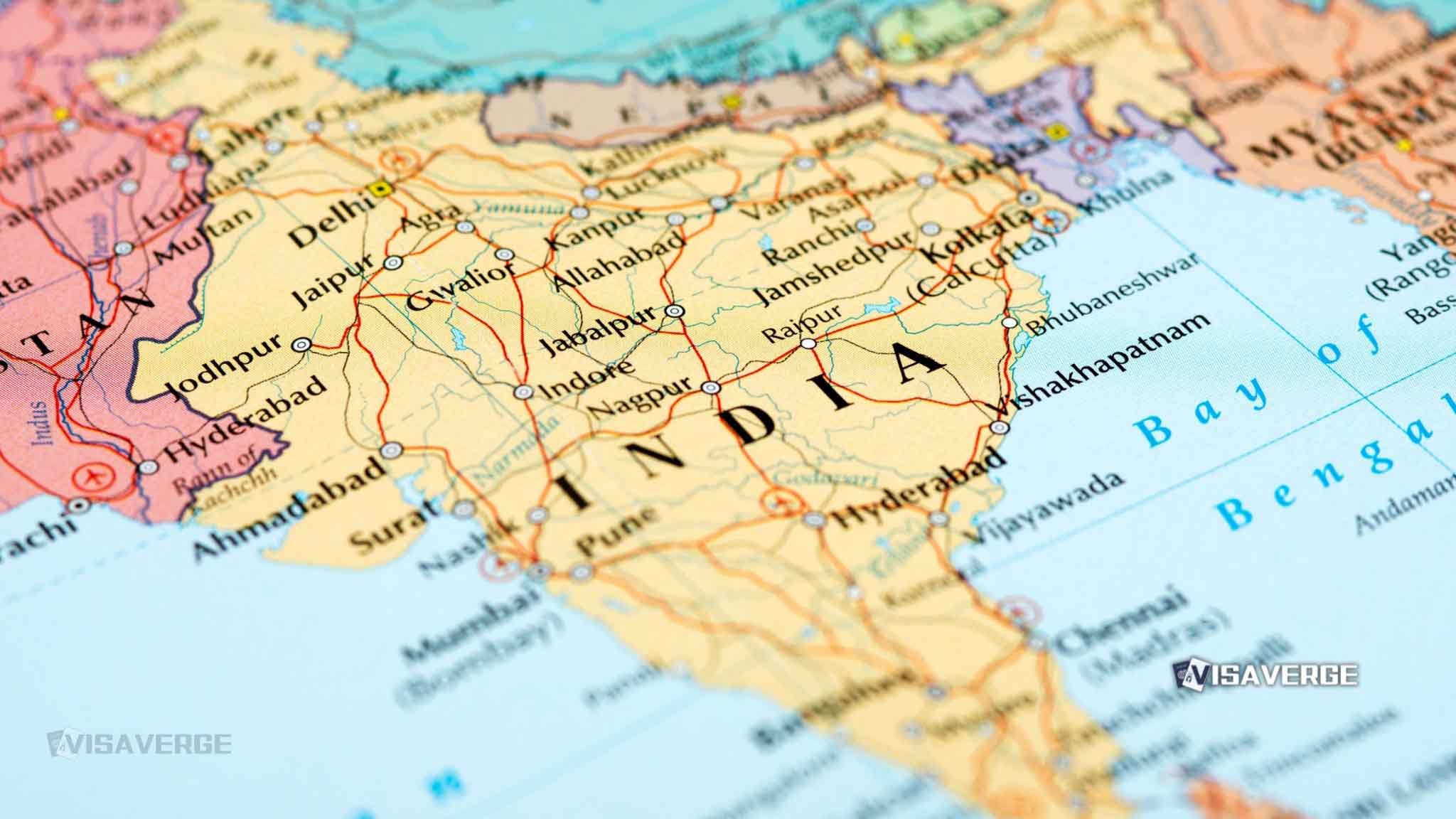
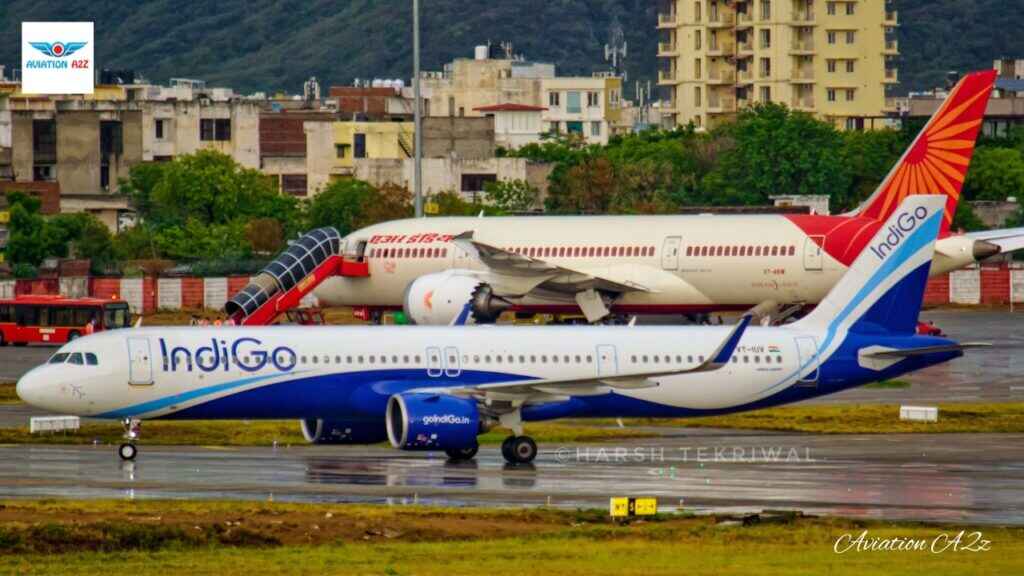
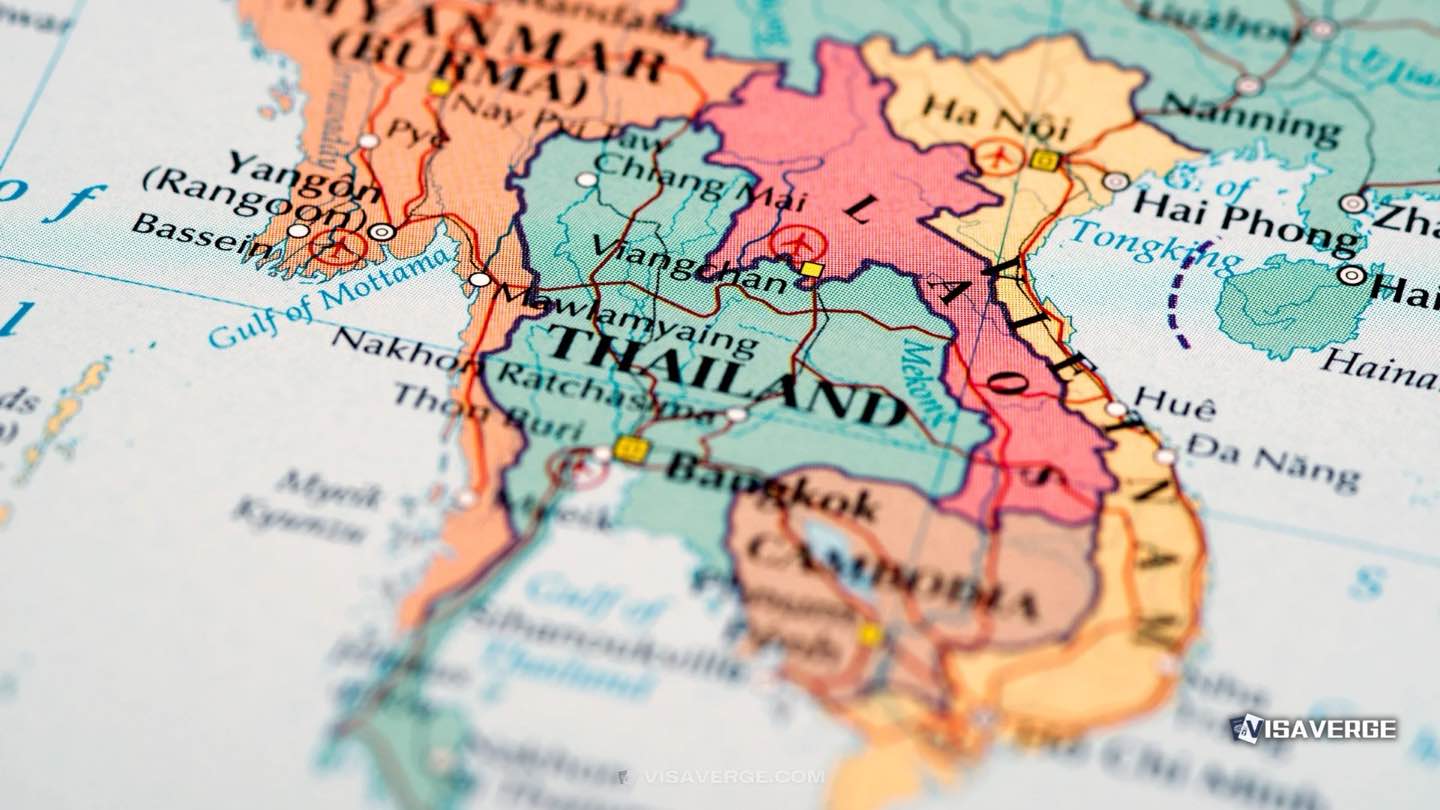
(THAILAND) – Thailand has revised visa and consular charges for Indian applicants effective April 27, 2026, raising costs for embassy-issued tourist, non-immigrant and long-stay categories while keeping the current 60-day visa-free entry for Indian tourists with no visa fee.
The change affects travellers who need permission beyond the visa-free period or who fall into categories that still require a visa through the Royal Thai Embassy. Indian tourists entering under the existing visa-free arrangement do not pay a visa charge in advance, but other applicants now face higher Thailand visa fees across several commonly used routes.

Tourist and non-immigrant visas sit at the center of the revision. A Tourist Visa (Single Entry) now costs INR 3,000 and carries 3-month validity with stays of up to 60 days, while a Tourist Visa (Multiple Entry) costs INR 13,500 with 6-month validity.
Single-entry non-immigrant visas now cost INR 7,000. Multiple-entry non-immigrant visas carry higher rates that vary by subcategory, reflecting the wider spread of permissions used by business visitors, students, workers and others whose travel does not fit the tourist channel.
More specialized categories are markedly more expensive. The Destination Thailand Visa (DTV) stands at approximately INR 30,000, the SMART Visa ranges from INR 30,000 to INR 1.2 lakh depending on category and validity, and the Long-Term Resident (LTR) Visa sits around INR 1.4 lakh.
Those figures place the sharpest increases on travellers planning longer stays or applying under professional and investment-linked programs, not on short tourist trips. Thailand’s visa-free entry for Indian travellers remains intact as of 2026, which preserves the lowest-cost option for many holidaymakers even as embassy processing becomes more expensive.
The visa-free arrangement allows Indians to stay for 60 days and extend that period by another 30 days, for a total of 90 days, by paying 1,900 THB (≈INR 5,180) at immigration offices. That framework has replaced the earlier 30-day visa-on-arrival process for many Indian visitors and removes the need for an advance visa or fee in ordinary tourist cases.
Thailand still offers visa-on-arrival at airports for shorter stays of up to 15–30 days at 2,000 THB (≈INR 4,500–5,450). Yet the visa-free scheme has largely overtaken that route for Indian travellers because it offers a longer initial stay and does not require an advance visa charge.
Entry without a visa does not mean arrival without paperwork. Thailand requires travellers to submit the Thailand Digital Arrival Card (TDAC) online within 72 hours before travel, and officers may ask for proof of funds in the range of 10,000–20,000 THB/person.
That creates a split system for Indians heading to Thailand. Leisure travellers staying within the visa-free window avoid embassy charges altogether, while those seeking longer visits, repeat entries or non-tourist status must absorb the higher consular fees that take effect on April 27, 2026.
The revised pricing also clarifies the cost gap between a single tourist trip and a more flexible travel pattern. A single-entry tourist visa at INR 3,000 covers one stay of up to 60 days within a 3-month validity window, while the multiple-entry version at INR 13,500 gives 6-month validity for those who expect repeated travel.
Non-immigrant categories carry another jump. A single-entry non-immigrant visa at INR 7,000 already more than doubles the single-entry tourist fee, and multiple-entry versions rise further depending on the subcategory. That matters for Indian travellers whose trips fall outside standard tourism, including visits linked to work, study or other non-leisure purposes covered by embassy processing.
The available fee table also shows a range in some categories tied to earlier pricing references. Tourist single-entry visas appear at 2,500–3,000, tourist multiple-entry visas at 12,500–13,500, non-immigrant single-entry visas at 5,000–7,000, and non-immigrant multiple-entry visas at 12,500 for 6 months/1 year (≤90 days/entry). The revised schedule taking effect on April 27, 2026 places the current headline charges at the top end of those bands for the categories expressly listed.
Indian travellers considering stays beyond the free 60-day period face another layer of cost if they need additional permission. Extensions beyond 60 days require an e-visa application, with a 30-day e-visa example priced at 2,500 THB ≈INR 6,812. That sum comes on top of travel costs and any earlier consular or immigration payment tied to the visitor’s route.
Officials have also discussed a separate tourist entry levy for air arrivals, though it remains outside the current charge structure. A proposed 300 THB (≈INR 700–860) fee has been raised multiple times but remains not in force as of April 2026. If Thailand enacts it later, it would apply to all international tourists regardless of visa status.
That distinction matters because the proposed 300 THB charge is not a visa fee. Even with embassy costs rising, Indian tourists entering under the visa-free arrangement still do not face a visa charge now, and the air-arrival proposal remains separate from the revised schedule that begins on April 27, 2026.
Exchange rates add another moving part to the picture. Several amounts appear in both Thai baht and Indian rupees, and the rupee equivalents, including 2,000 THB (≈INR 4,500–5,450), 1,900 THB (≈INR 5,180), 300 THB (≈INR 700–860) and 2,500 THB ≈INR 6,812, may shift slightly as currency values move.
That leaves applicants with two separate checks before departure: whether their trip fits the visa-free window, and whether exchange-rate changes alter the rupee value of fees paid in baht. The Royal Thai Embassy in India remains the point of reference for the latest consular charges, particularly for categories such as SMART, DTV and long-term residence where the sums are far higher than ordinary tourist travel.
Price is not the only issue in the new arrangement. Thailand warns that non-compliance, including overstays or working while on tourist entry, carries the risk of fines, penalties or bans. For Indian travellers weighing whether to rely on visa-free entry, apply for a tourist visa, or seek a non-immigrant or long-stay category, the difference now is not just duration but cost, paperwork and the consequences of getting the category wrong.
For now, the broad picture is straightforward in practice even if the fee chart is not: a short holiday remains the cheapest route, because the 60-day visa-free entry stays in place with no visa fee, while longer, repeated or purpose-specific travel to Thailand from India will cost more from April 27, 2026.