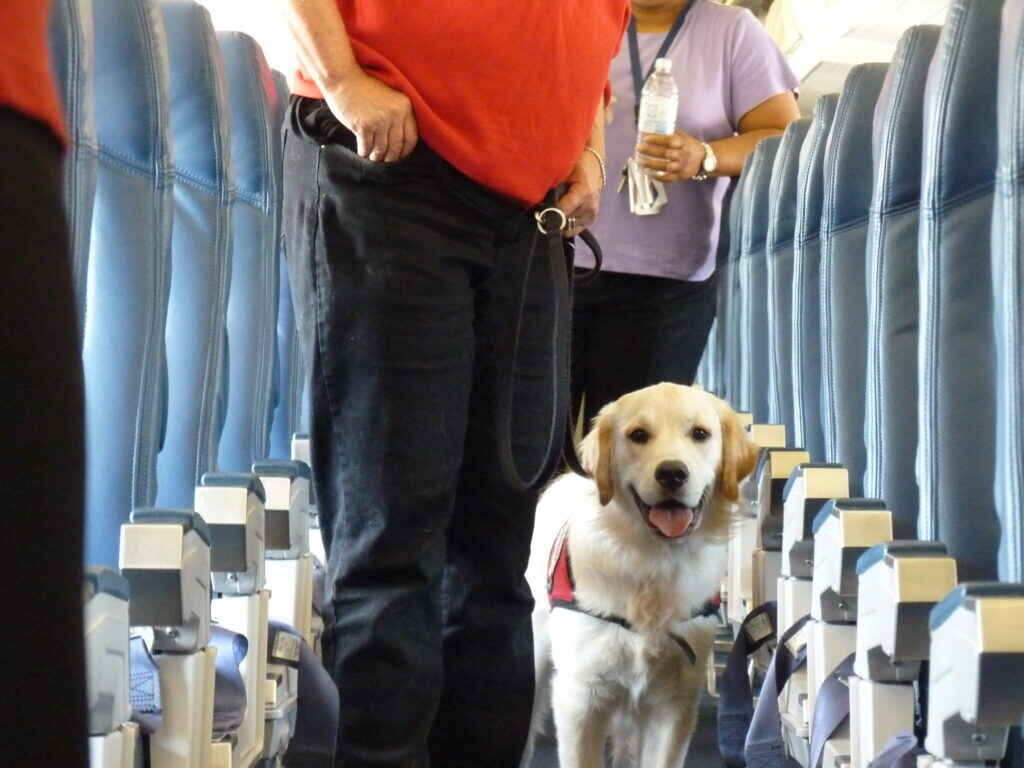
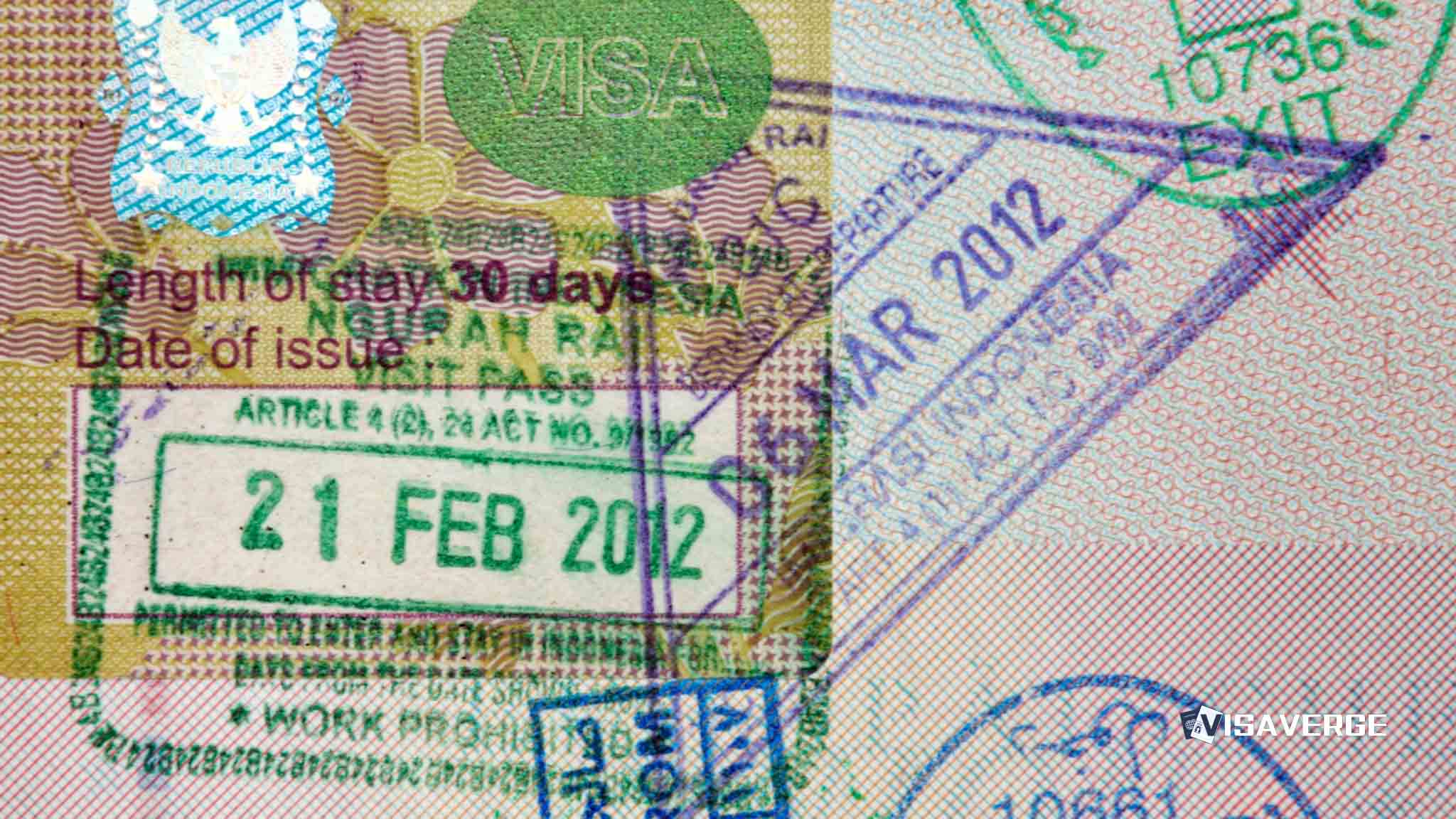
- The mandatory Animal Health Certificate replaces the Pet Passport Scheme for Guernsey residents traveling to the EU.
- Pets must have a valid microchip and rabies vaccination completed at least 22 days before departure.
- Return travel to Guernsey requires mandatory tapeworm treatment administered within a strict five-day window.
(GUERNSEY) Guernsey residents taking pets to the EU must now plan around an Animal Health Certificate, not the old Pet Passport Scheme. The certificate must be issued by an Official Veterinarian within 10 days of departure, and it now sits at the centre of every journey.
That change matters because it affects timing, paperwork, and the final veterinary appointment before travel. It also changes how far ahead families must prepare, especially when a holiday, relocation, or return trip depends on a pet being cleared for the crossing.

The new travel document at the heart of the trip
Free toolU.S. Passport Photo RequirementsThe Animal Health Certificate is now the mandatory document for pet travel from Guernsey to Europe. The older Pet Passport Scheme is no longer valid for Guernsey residents heading to the EU. The only exception is a pet that already holds a valid European pet passport.
The certificate must be issued by an Official Veterinarian with the right additional qualifications. It must also travel with the pet. In practice, that means the document is not a back-office formality. It is part of the journey itself, checked and carried just like a ticket or passport.
For official guidance on pet travel rules, the UK government’s page on taking a pet abroad remains a useful reference: Travel with a pet. For Guernsey-specific planning, local veterinary advice remains essential.
Health checks that must be in place before the vet appointment
Before the certificate can be issued, the pet must have a microchip. That identification step comes first. The rabies vaccination must also be up to date. It must have been given at least 22 days before travel, unless the pet already has a current booster.
Owners should bring all vaccination paperwork to the appointment. If an old Pet Passport exists, it should be taken as well. The vet will need a full record to confirm eligibility and complete the certificate correctly.
This is where many trips slow down. A last-minute booking leaves no room for missing records, expired vaccines, or a chip number that does not match the paperwork. According to analysis by VisaVerge.com, the new system makes veterinary timing one of the most important parts of EU pet travel planning.
How long the certificate lasts, and why each trip needs a fresh one
Once issued, the Animal Health Certificate allows four months of onward travel through Europe. That gives families room for a longer trip after they leave Guernsey. It does not, however, create open-ended travel rights.
A new certificate is required each time you leave Guernsey. That rule matters for frequent travellers, people making more than one trip in a season, and anyone planning a round journey with a stop in the EU before returning home.
The certificate does not sit in a file at home. It must accompany the pet on the journey. Border checks, transport staff, and any later travel within Europe all depend on that original document being available and valid.
When to book the veterinary visit
Timing is tight. The appointment should be scheduled at least seven days before travel. That gives enough space for the certificate to be completed and collected the day after the appointment.
Veterinarians should be contacted at least 10 days in advance of the journey. That extra lead time matters because travel dates, vaccination records, and certificate checks all need coordination. A missed appointment can push the whole trip back.
For families traveling with pets, this is the stage where the journey becomes real. Flights, ferries, and hotel bookings may already be fixed, but the pet cannot travel until the vet paperwork is in hand. That makes early booking the safest approach.
Return to Guernsey brings a separate tapeworm rule
The return trip has its own requirement. When coming back to Guernsey from Europe, the pet must receive tapeworm treatment that is administered and documented more than 24 hours before return and less than 5 days before return.
That rule applies whether the pet travelled with a European Passport or an Animal Health Certificate. The document used for the outward journey does not remove the tapeworm requirement on the way home.
This is often the part of the trip people miss. The outward paperwork gets most of the attention, but the return treatment can be just as time-sensitive. If the timing window is missed, the pet may not meet the entry requirement for Guernsey.
A simple step-by-step journey from Guernsey to the EU
- Check the pet’s microchip and rabies record. The chip must be in place, and the rabies vaccination must be current.
- Book the vet early. Contact the veterinarian at least 10 days before travel.
- Attend the appointment at least seven days before departure. Bring vaccination paperwork and any old Pet Passport.
- Collect and carry the certificate. The Animal Health Certificate must accompany the pet.
- Plan the return treatment. Tapeworm treatment must be timed correctly before coming back to Guernsey.
Each step fits into the next. Miss one, and the journey can stop.
What this means for families, relocations, and short breaks
The new rules do not only affect long moves. They also affect weekend trips, school holidays, and visits to relatives. Pets still move on a strict timetable, even when the human side of the trip feels flexible.
For people relocating, the paperwork should be treated like a core part of the move. For holidaymakers, the vet appointment now sits alongside flights and accommodation as a fixed booking. For anyone returning to Guernsey, the tapeworm window must be checked before the journey home begins.
The Pet Passport Scheme has been replaced for Guernsey residents heading to the EU, and the Animal Health Certificate now does the main work. The process is manageable, but only when the dates, records, and veterinary appointment are lined up early.
Officials and veterinarians now play a central role in every trip. The Official Veterinarian confirms the documents, signs the certificate, and helps ensure the pet can travel legally and return home without delay.