- David Neeleman warns JetBlue faces bankruptcy risk if fuel prices reach four dollars and fifty cents per gallon.
- A potential fuel spike could trigger a one point three billion dollar loss and increase debt.
- CEO Joanna Geraghty maintains the airline has strong liquidity and cash reserves to avoid filing in 2026.
(UNITED STATES) — JetBlue’s founder says the airline could be headed for bankruptcy if fuel reaches $4.50 a gallon, a warning that cuts into investor confidence and raises fresh questions about financing, fleet planning, and route growth. The dispute also puts David Neeleman, Breeze Airways, and analyst Jamie Baker back in the same conversation, with Jamie Baker’s fuel-price scenario now being used as a benchmark for JetBlue’s worst-case math.
Neeleman, who founded JetBlue before leaving after the carrier’s 2007 operational meltdown during a Valentine’s Day ice storm, made the comments last week in a talk with pilots at Breeze Airways. He said the airline was in a “really tough spot” and tied that assessment to JP Morgan’s fuel-cost estimates.
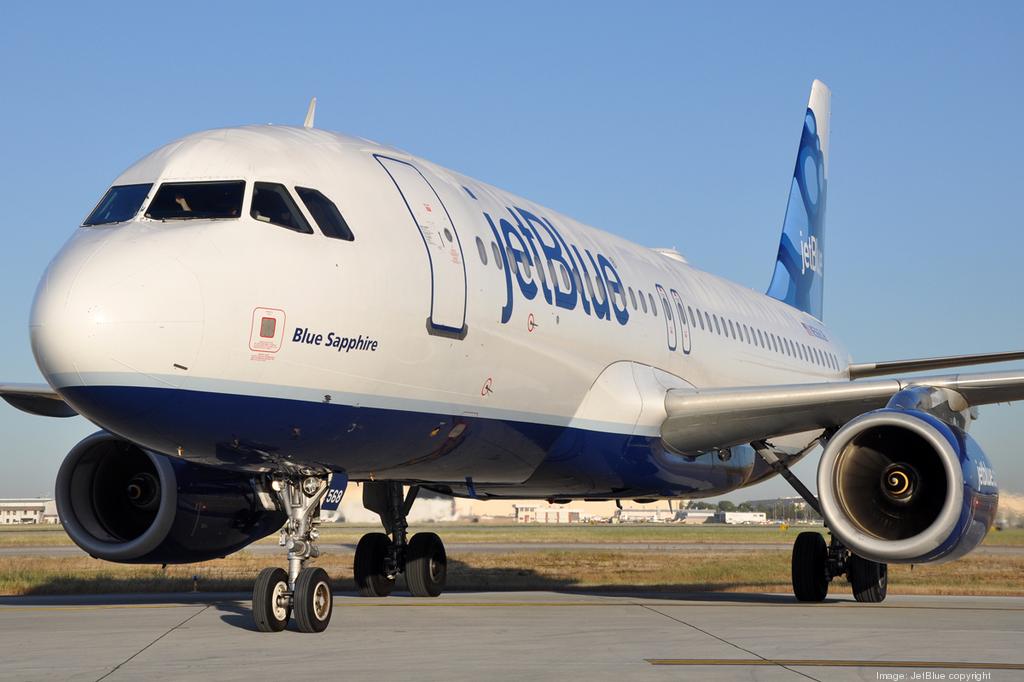
At the center of his warning is a stark set of numbers. Under the $4.50 per gallon fuel scenario, Neeleman said JetBlue could post a $1.3 billion loss and see debt rise to about $9 billion. Annual interest payments, he said, could climb from $600 million to $800 million.
Neeleman did not stop at the balance sheet. He also said he has asked about potential buyers. United has passed because of the debt load, he said, while Southwest and Alaska Air have also passed. His message was blunt: “I want nothing but the best for JetBlue, but they’re in a very tough position right now.”
JetBlue pushed back quickly. CEO Joanna Geraghty sent a memo to employees saying the airline has a strong cash position, enough liquidity, and access to additional capital to avoid bankruptcy in 2026. That response matters because airline stocks, credit markets, and labor negotiations often move on confidence as much as on current earnings.
| Item | Neeleman’s warning | JetBlue’s response |
|---|---|---|
| Fuel assumption | $4.50 per gallon | No new fuel forecast offered |
| Projected loss | $1.3 billion | No bankruptcy filing planned in 2026 |
| Debt level | About $9 billion | Liquidity described as strong |
| Annual interest cost | $600 million to $800 million | Access to capital cited as a buffer |
Jamie Baker’s role in the debate is important. Neeleman used the JP Morgan analyst’s fuel scenario as a reference point for airline losses across the sector, then applied it to JetBlue’s structure. That makes the estimate more than a casual guess. It becomes a stress test for a carrier that has spent years trying to find stable profit after a string of strategic reversals.
JetBlue’s position has long been more fragile than some rivals. The airline spent years trying to expand into larger markets, then ran into regulatory trouble, failed partnerships, and a network that has often lacked the scale advantage enjoyed by the biggest U.S. carriers. Higher fuel costs hit that kind of model harder, especially when debt service is already large.
The loyalty side matters too. JetBlue’s TrueBlue program depends on the airline staying healthy enough to keep flying the routes that feed point redemptions and partner value. If credit pressure rises, so does the risk of tighter capacity, weaker award availability, and more conservative route planning. A bankruptcy filing would complicate everything from elite benefits to partner earnings, even if flying continued uninterrupted.
Neeleman’s comments also carry extra weight because he is not a detached critic. He knows the airline from the inside, and he has built another low-cost carrier, Breeze Airways, after leaving JetBlue. That gives his warning credibility in some circles and an obvious conflict in others. Investors will treat his remarks as more than gossip, but not as an official forecast.
The comparison with competitors is also telling. United, Southwest, and Alaska Air all have the scale, liquidity, or balance-sheet flexibility to choose whether JetBlue fits their strategy. Neeleman’s account suggests they have not seen a clean fit, at least not one worth taking on the debt burden he described.
| Airline | Position in Neeleman’s remarks |
|---|---|
| United | Passed, tied to JetBlue’s debt |
| Southwest | Passed |
| Alaska Air | Passed |
| Breeze Airways | Neeleman’s current carrier |
Credit ratings are the immediate pressure point. A heavier debt load and higher interest expense can raise borrowing costs, squeeze aircraft financing, and limit management’s room to maneuver. That can affect everything from scheduled capacity to promotional pricing and loyalty offers. It can also shape whether JetBlue keeps chasing growth or spends more time defending the balance sheet.
Employees are watching a different set of signals. Geraghty’s memo was designed to calm fears, and the company’s language suggests no bankruptcy filing is being prepared this year. That is the official line, and it stands in direct contrast to Neeleman’s warning.
The next marker is fuel itself. JetBlue’s outlook will look very different if prices stay below the $4.50 stress case. If they move toward that level, the pressure on losses, debt, and financing gets harder to dismiss. Travelers with TrueBlue balances or upcoming JetBlue bookings should keep an eye on the carrier’s earnings calls and schedule changes through the rest of 2026.