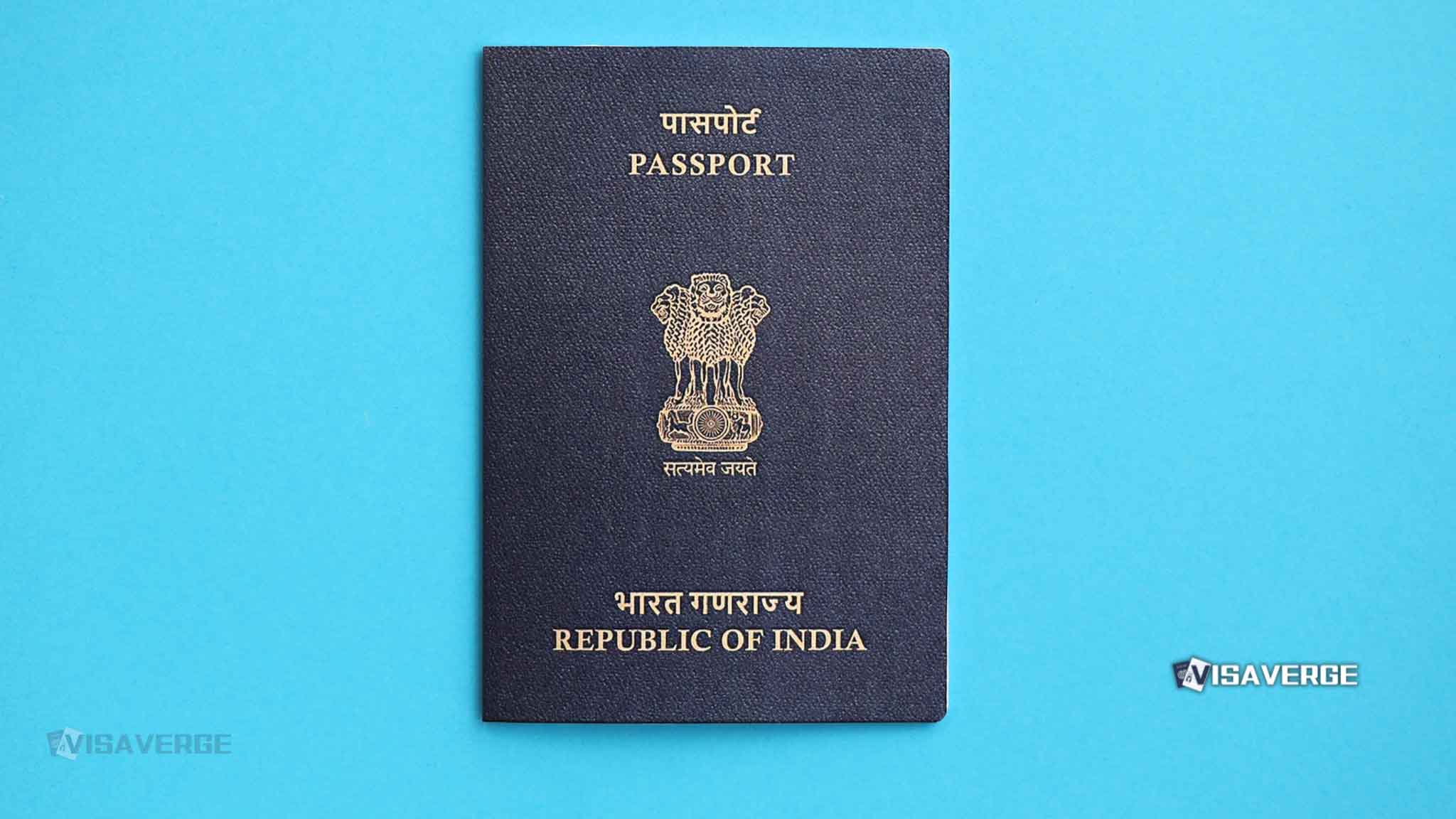
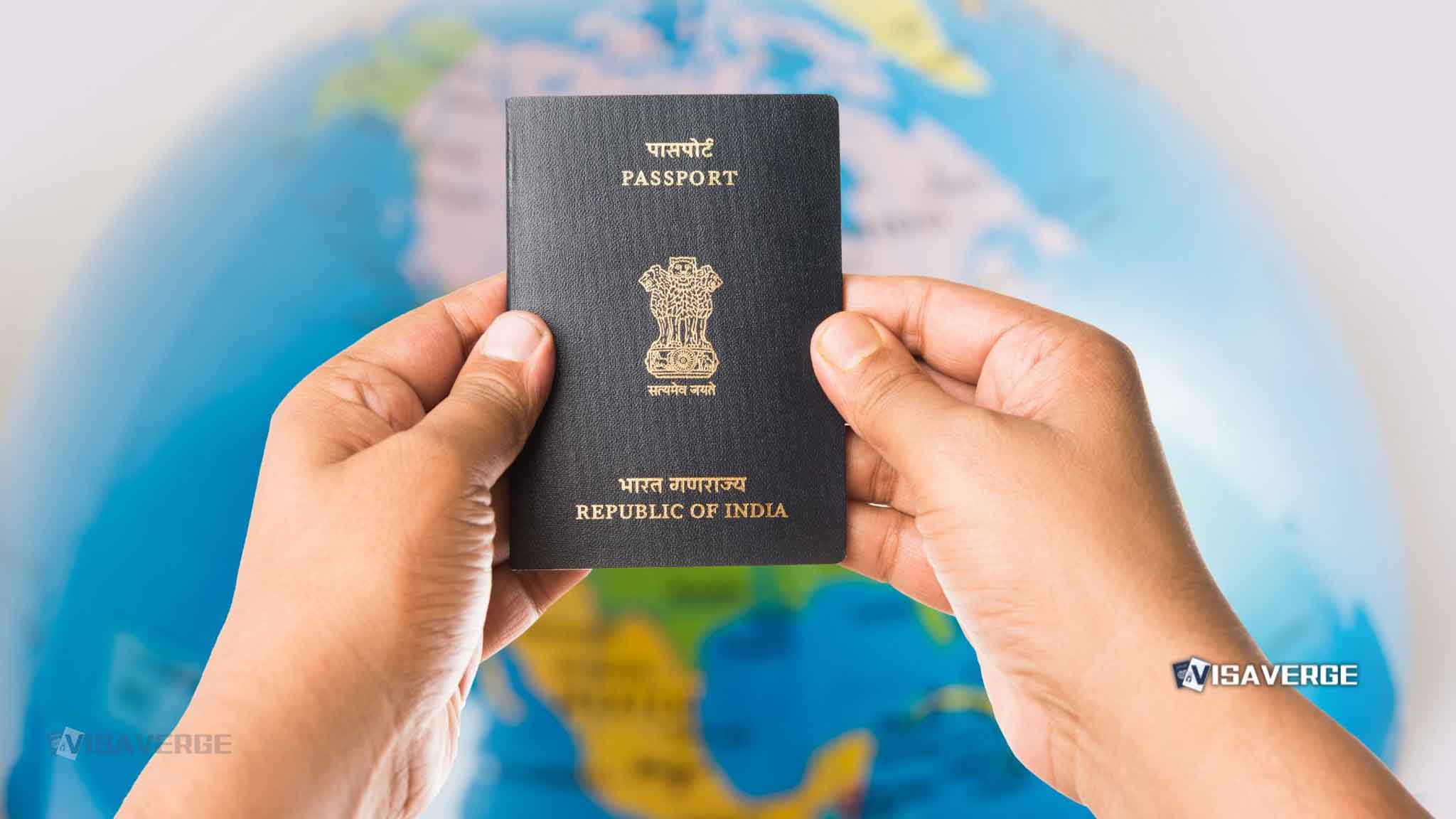
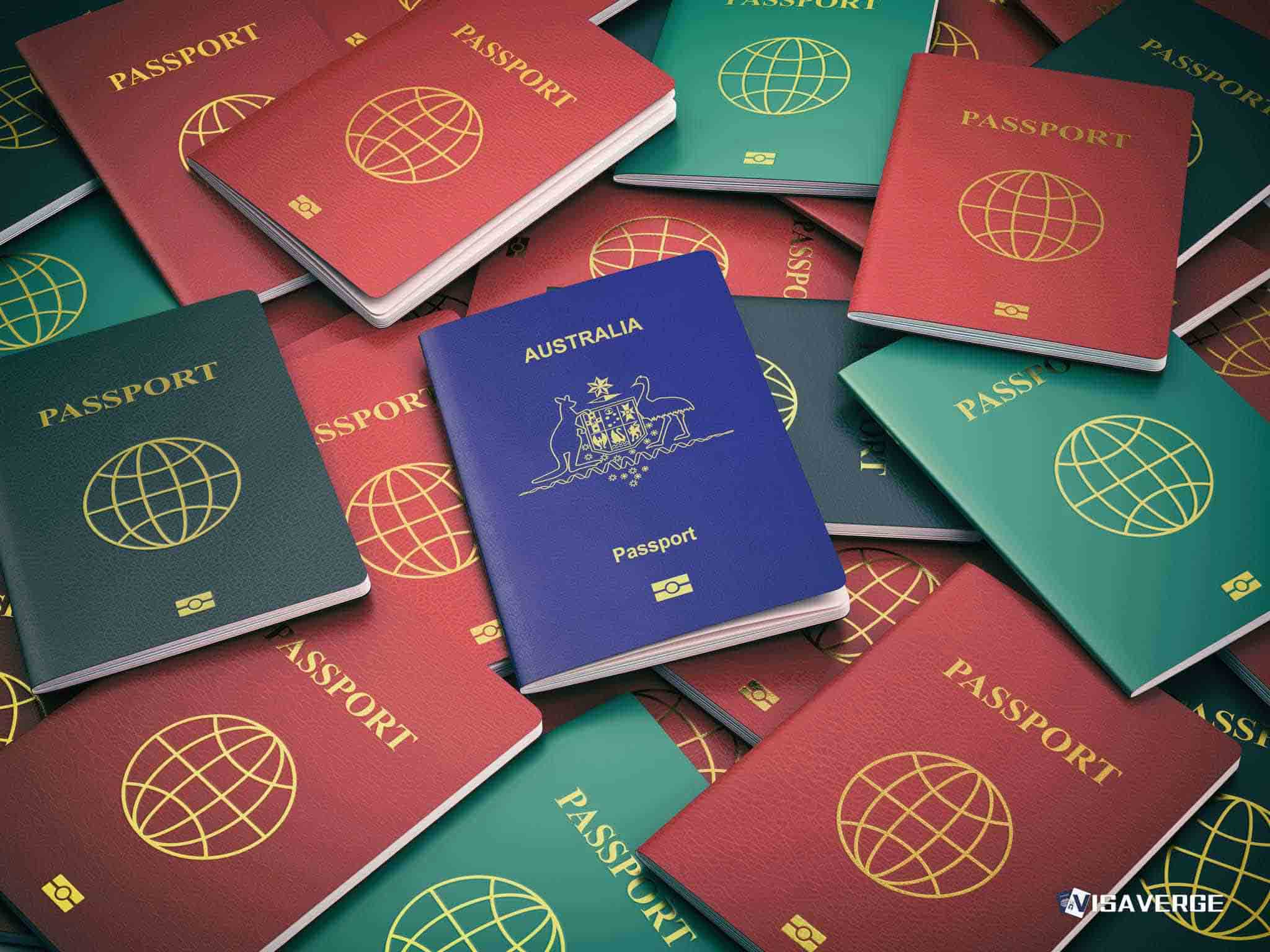
India’s Ministry of External Affairs clarified on June 24, 2026 that a passport is a document meant to “regulate the departure from India of citizens of India”, reinforcing that the passport is a travel document and not conclusive proof of citizenship. The statement came amid renewed public debate over the legal purpose of the Indian passport and its role in identity verification abroad.
- The MEA spokesperson said the passport is intended to “regulate the departure from India of citizens of India”, narrowing its function to international travel administration.
- The clarification aligned with the government’s position that a passport attests to nationality when traveling abroad but does not itself establish citizenship status.
- The statement on June 24, 2026 also referenced the legal distinction between passport issuance and citizenship determination under India’s passport framework.
- India’s Ministry of External Affairs clarified that an Indian passport is a travel document, not citizenship proof.
- The distinction relies on the Passports Act of nineteen sixty-seven versus the Citizenship Act of nineteen fifty-five.
- Citizens by birth must often rely on cumulative evidence from multiple documents rather than a single certificate.
(INDIA) — India’s Ministry of External Affairs clarified on June 24, 2026, that an Indian passport is a travel document and not conclusive proof of citizenship, prompting widespread questions about what documentation actually establishes Indian nationality.
Free toolSubstantial Presence Test CalculatorThe statement, issued during the 14th Passport Seva Divas observance, was reiterated by government sources on June 25, 2026, who stressed that the position reflects long-standing law rather than any new policy shift.
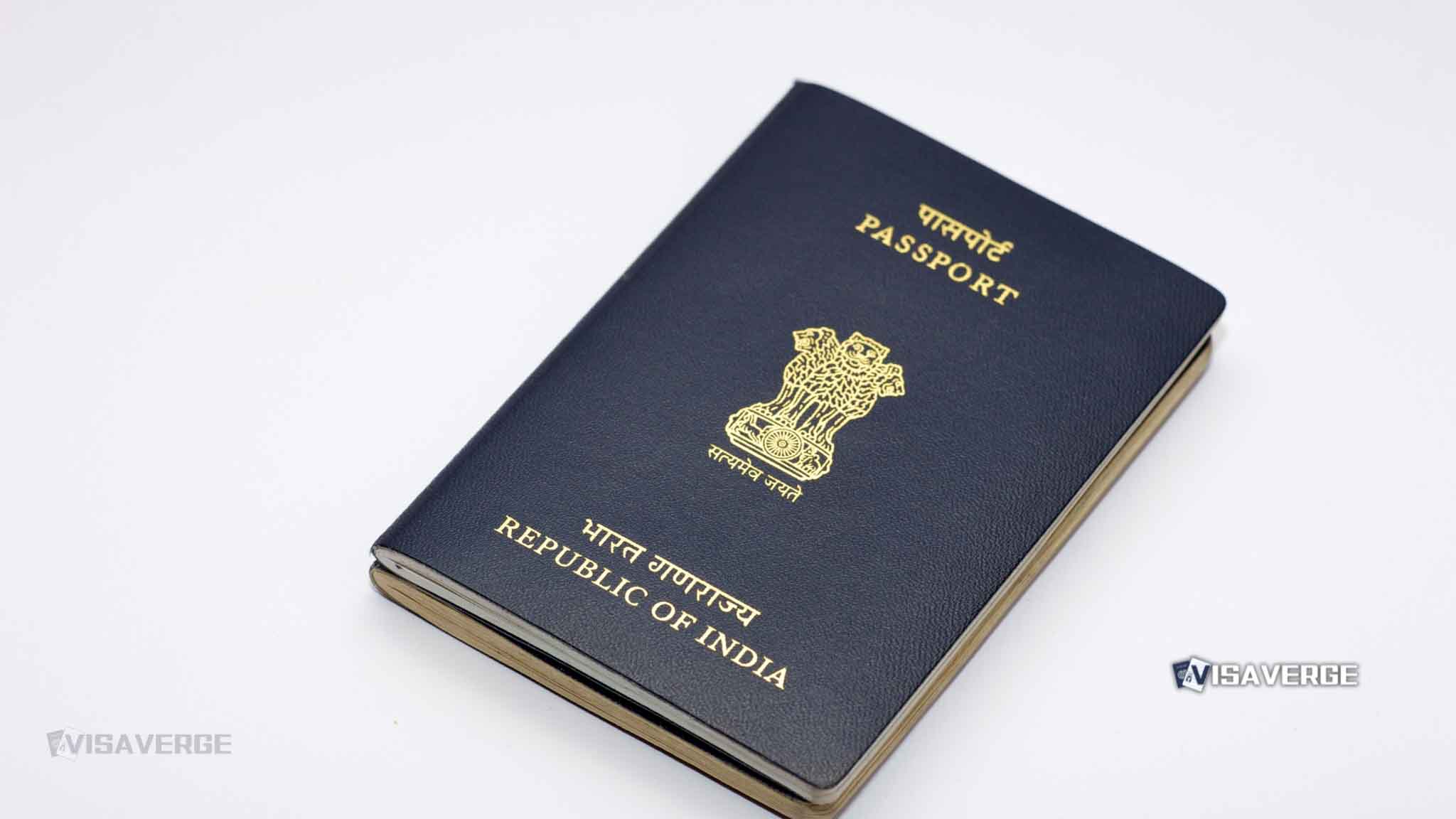
“Passport is a travel document, not a document of citizenship, and that distinguishes passport from other documents. Even though while travelling abroad, passport attests to your nationality, it is not a document of your citizenship.”
“It was not decided yesterday that the passport is not a proof of citizenship. The passport has never been a proof of citizenship.”
The distinction rests on two separate legal frameworks. The Passports Act, 1967, governs the issuance of travel documents, while the Citizenship Act, 1955, defines how Indian citizenship is acquired and determined.
Under Section 20 of the Passports Act, the Central Government may issue a passport or travel document to a person who is not an Indian citizen if deemed necessary in the “public interest.” Because the law permits non-citizens to hold these documents in specific circumstances, the passport itself cannot serve as conclusive proof of citizenship.
Government officials cited a 2013 Bombay High Court judgment and subsequent rulings holding that a passport constitutes prima facie evidence of nationality for travel purposes, but citizenship must be determined according to criteria set out in the Citizenship Act.
The Supreme Court reaffirmed in August 2025 that the Aadhaar card is a document of identity, not citizenship. Voter ID cards and PAN cards similarly function as residence and tax identity documents respectively, and are not conclusive proof of citizenship.
Direct Proof for Registered Citizens
For individuals who acquired Indian citizenship through registration or naturalization, documentary proof is direct. These persons possess a Certificate of Registration of Citizenship, a Certificate of Naturalisation, or a Citizenship Certificate issued by the Ministry of Home Affairs. The certificate itself serves as the strongest evidence of citizenship for that category of individuals.
Citizenship by Birth: Key Rules
Most Indians, however, are citizens by birth under Section 3 of the Citizenship Act, 1955. The applicable rules depend on the date of birth.
- Born between January 26, 1950 and June 30, 1987: Acquired Indian citizenship automatically by virtue of birth in India.
- Born between July 1, 1987 and December 2, 2004: Must have had at least one parent who was an Indian citizen at the time of birth.
- Born on or after December 3, 2004: Must have one parent who is an Indian citizen and the other parent must not be an illegal migrant.
India does not issue a universal citizenship certificate to every citizen by birth. For millions of Indians, no single document bears the title “Certificate of Indian Citizenship.”
Citizenship by birth arises by operation of law: a person born in India in 1964 became an Indian citizen on the date of birth itself. No authority granted that status, and no certificate was required to create it.
Practical Challenges: Birth Records and Variations
The practical question is evidentiary. Many older Indians lack birth certificates because births in villages and towns were either not registered or records were not preserved decades ago.
School records from that era may also contain minor date-of-birth variations, because parents occasionally declared a slightly different date to satisfy school admission-age requirements prevalent at the time. Such variations may be relevant for service, pension, or other administrative matters, but they ordinarily do not affect citizenship if both dates fall within the same statutory category prescribed under Section 3 of the Citizenship Act.
Case Example: Demonstrating Citizenship Through Combined Evidence
Consider a person born in Andhra Pradesh in 1964 to parents who were also born and lived in Andhra Pradesh. Birth registration at that time was inconsistent, and the person has no birth certificate.
Throughout his life, he studied in India from primary school through university, obtained an Indian passport, was selected for a Central Government job after verification of antecedents, served for several decades, and retired with pensionary benefits.
The documents in his possession today include school and college certificates, service records maintained by the Central Government, a Pension Payment Order, a CGHS card, an Indian passport, a Voter Identity Card, an Aadhaar card, a driving licence, and a pensioner’s identity card.
Individually, none of these documents conclusively proves citizenship. Collectively, they constitute overwhelming evidence that the person is an Indian citizen by birth under Section 3(1)(a) of the Citizenship Act, 1955.
The Documentation Gap
The clarification has exposed a practical gap in India’s citizenship documentation framework. If an individual born in India, educated entirely in India, employed by the Central Government, issued an Indian passport, enrolled as a voter, and receiving government pension still cannot point to a single document called a citizenship certificate, many citizens may legitimately question what document conclusively establishes their status.
Opposition leaders have raised concerns about the domestic implications. Kapil Sibal and Mahua Moitra questioned which document a common citizen should produce if a booth-level officer or government agency challenges their citizenship status.
Implications for U.S. Immigration and the Diaspora
The clarification also carries implications for Indian nationals seeking benefits in the United States. U.S. Citizenship and Immigration Services accepts a valid foreign passport as evidence of nationality under 8 CFR § 204.1(g).
For proving birth and parentage, which is essential for many family-based and employment-based immigration categories, USCIS strictly requires a birth certificate. The U.S. State Department’s Reciprocity Table for India, as of June 2026, continues to prioritize birth certificates issued by the Municipal Authority or the Registrar of Births and Deaths.
When a birth certificate is unavailable, a Non-Availability Certificate combined with secondary evidence such as school records and census records is required. The State Department still requires a valid Indian passport for visa issuance to establish the applicant’s identity and ability to travel. While the Indian government clarifies that the passport is “just a travel document,” it remains indispensable for international mobility and U.S. immigration processing alike.
The Indian diaspora has also felt the effects of the clarification. The Citizenship (Amendment) Rules, 2026, notified on May 1, 2026, streamlined the process for Overseas Citizen of India cardholders by shifting all applications to an electronic portal and clarifying that minors cannot hold both an Indian and foreign passport simultaneously.
Looking Ahead
Within India, the government may consider issuing clearer guidelines identifying the combination of documents that would ordinarily suffice to establish Indian citizenship for persons who acquired citizenship by birth. Until such clarification is issued, citizenship for most Indians born in the country remains a legal status inferred from facts and supporting records rather than from a single dedicated certificate.
A passport remains an important official document and strong evidence supporting a claim of Indian nationality. According to the government’s clarification, it is not conclusive proof of citizenship. For most Indians who are citizens by birth, citizenship is ordinarily demonstrated through the cumulative effect of birth records, educational records, service records, family documents, and other evidence showing that the conditions of the Citizenship Act, 1955, are satisfied.