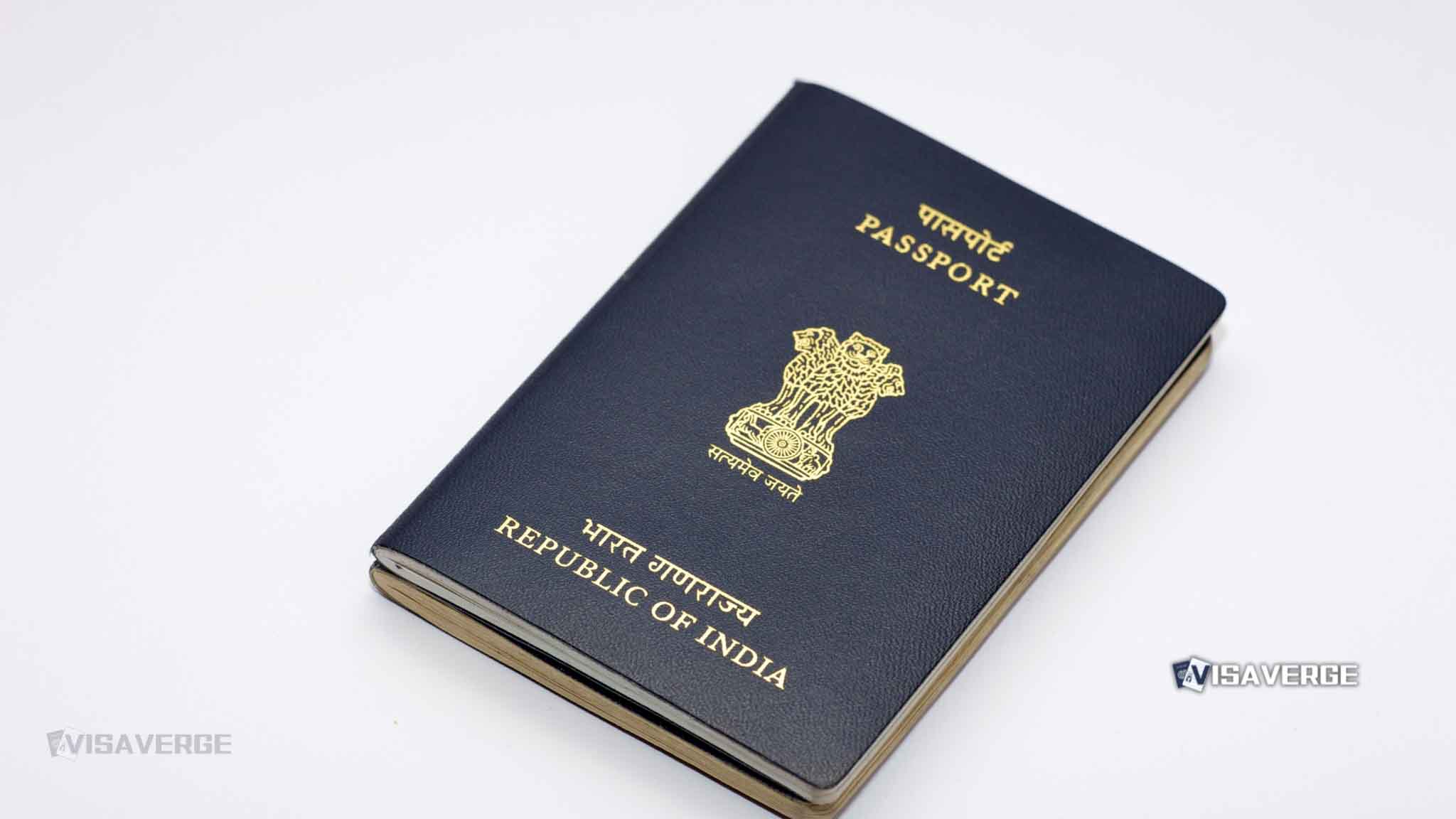
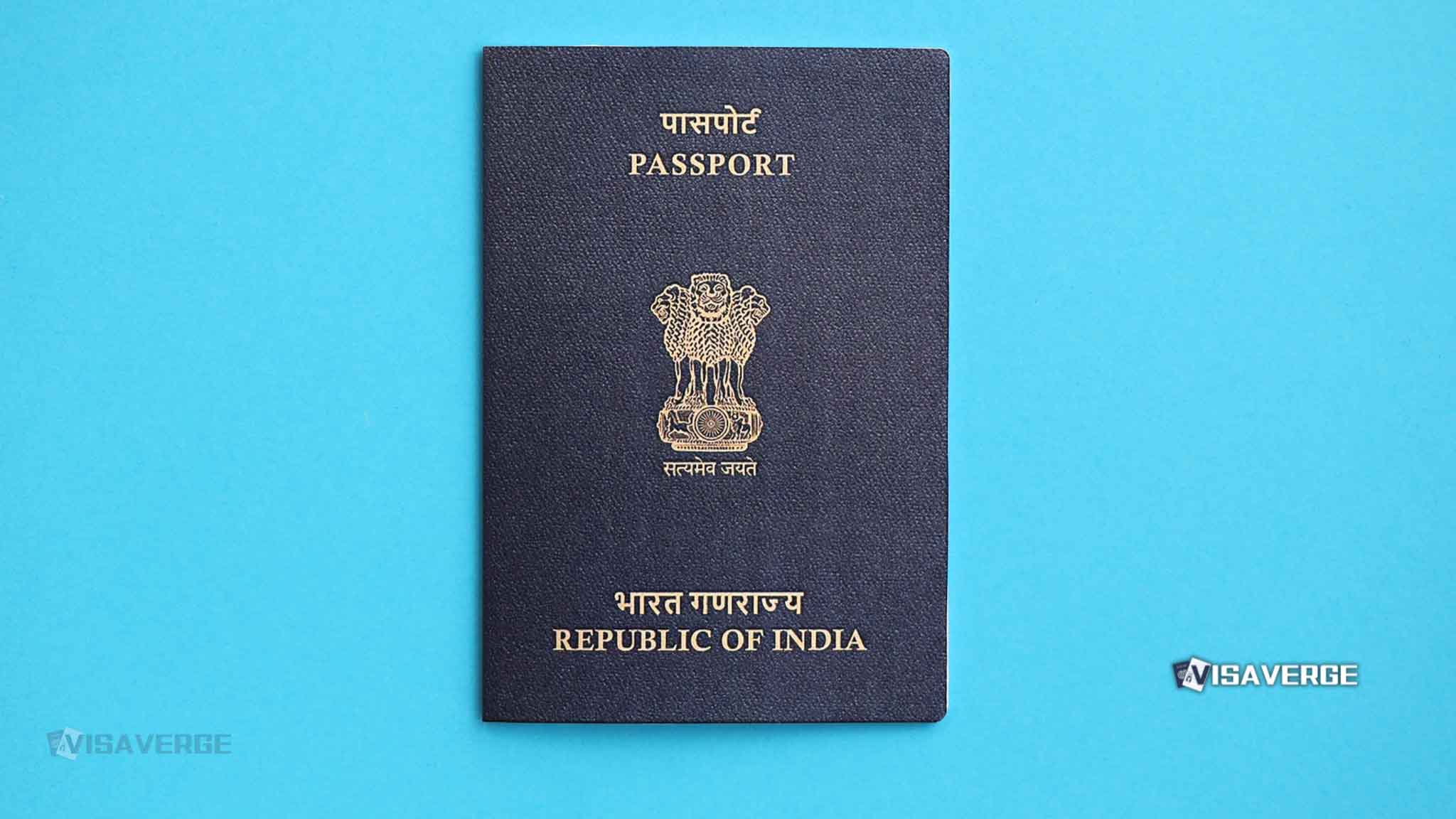
- Passports serve as primary travel documents but are not always absolute legal proof of citizenship.
- Nations like India and Canada differentiate between passports and foundational citizenship certificates or records.
- The United States treats passports as primary citizenship evidence except in specific constitutional eligibility cases.
(INDIA) — Governments issue passports as travel documents, but whether a Passport counts as proof of citizenship depends on the country and the legal question being asked.
A passport confirms identity at borders and usually records the holder’s nationality. In many ordinary settings, including travel, visa applications, banking and identity checks, it is treated as one of the strongest official documents a person can hold.
Free toolSubstantial Presence Test Calculator
That strength does not make it identical to citizenship in every legal system. Citizenship is a domestic legal status that can carry rights such as residence, voting, holding public office, applying for a passport, accessing public benefits or seeking protection from the state, while nationality describes a person’s legal connection with a country under international law.
Lawyers and immigration authorities often separate those ideas more sharply than the public does. A passport may be strong evidence of citizenship or nationality, but it is not always the final answer if the state is examining how that status was acquired.
India: Citizenship vs. Passport
India illustrates that distinction clearly. Indian passports are issued to Indian citizens and carry high official value for travel, identity, foreign employment, immigration procedures and government verification.
Indian citizenship, however, is governed mainly by the Citizenship Act, 1955. Under that law, citizenship may be acquired by birth, descent, registration or naturalization.
That means authorities can look beyond the Passport itself if citizenship comes under direct scrutiny. They may examine birth records, parents’ citizenship status, citizenship by descent records, registration or naturalization certificates, old passports, renunciation or surrender records, foreign citizenship documents and OCI records where relevant.
The practical effect is that an Indian passport remains strong evidence, but it may not settle a legal dispute on its own if other records conflict. Families dealing with OCI, inheritance, foreign passport applications, visa processing or nationality claims often need the papers that show how citizenship was acquired in the first place.
That can include birth certificates, old passports, parents’ passport records, school or residence records, citizenship registration records, naturalisation papers, Indian passport surrender certificates, renunciation documents, OCI approval records, foreign citizenship certificates, marriage certificates, name-change documents and adoption records.
United States: Broad Evidentiary Weight
The United States gives a passport broader evidentiary weight in many official settings. A full-validity, undamaged U.S. passport is treated as primary evidence of U.S. citizenship.
That treatment applies across different routes to citizenship. Some U.S. citizens acquire it by birth in the United States, some are born abroad to U.S. citizen parents, and some become citizens later through naturalization after permanent residence.
A person who naturalizes receives a Certificate of Naturalization as direct proof that citizenship was granted. After that person obtains a full-validity U.S. passport, the passport itself also serves as strong primary evidence of U.S. citizenship.
Even in the United States, the underlying record can still matter in harder cases. A person born abroad to U.S. citizen parents may need a Consular Report of Birth Abroad, a Certificate of Citizenship or other supporting documents to show how citizenship was acquired.
American law also draws a separate line between full citizenship and the phrase “natural born citizen.” A foreign-born Green Card holder who completes naturalization and takes the Oath of Allegiance becomes a full U.S. citizen, can hold a U.S. passport and enjoys ordinary citizenship rights, but is generally not treated as a “natural born citizen” for the limited constitutional purpose of becoming U.S. President.
Children born in the United States are treated differently. A child born there to parents who are already naturalized U.S. citizens is a U.S. citizen by birth and would generally be treated as a natural born citizen, subject to the separate constitutional requirements of age and U.S. residence.
A child born in the United States to Green Card holder parents is also generally treated as a U.S. citizen at birth. The same long-standing interpretation of the 14th Amendment has also treated a child born in the United States to H-1B, H-4 or other lawful temporary-status parents as a U.S. citizen at birth, except for narrow exceptions such as children of foreign diplomats.
That question has drawn political and legal challenge in recent disputes over birthright citizenship for some temporary-status and undocumented parents. The passport issue remains separate: a passport can establish citizenship, while presidential eligibility turns on whether a person was a citizen from birth or became one later through naturalization.
Canada: Separate Citizenship Certificate
Canada separates travel documentation from citizenship proof more formally. A Canadian passport is used for international travel, but the citizenship certificate has a separate legal role as official proof of citizenship.
That certificate can be used to apply for a Canadian passport, access certain services and establish citizenship status. Its role is especially important for people born outside Canada, children of Canadian citizens and people whose citizenship claim rests on descent or earlier records.
In those cases, the passport is powerful but not always the most direct document. If the question is “How do I prove Canadian citizenship?”, the citizenship certificate often answers it more directly than the passport itself.
Australia: Proof Required Before Issuance
Australia follows a similar logic at the front end of the process. A person must be an Australian citizen to qualify for an Australian passport, and a new passport applicant must provide documents proving Australian citizenship before the passport is issued.
Those records may include an Australian birth certificate, an Australian citizenship certificate or other documents showing citizenship by birth or acquisition. Once issued, the passport carries strong evidentiary value, but the underlying citizenship documents remain relevant because they are the basis on which the passport was granted.
United Kingdom: Wording Determines Rights
The United Kingdom adds another layer by tying legal effect to the wording inside the passport. A UK passport describing the holder as a British citizen can be used to prove right of abode, meaning the person can live and work in the UK without immigration restrictions.
That does not mean every British passport carries the same legal consequence. UK nationality law includes several categories of British nationality, and the exact description printed in the passport determines what status is being shown and what right is being claimed.
New Zealand: Dual Nationality Considerations
New Zealand also treats the passport as strong citizenship evidence, especially in travel and verification settings. A New Zealand passport serves as important evidence of citizenship, but dual nationality can complicate how that evidence is shown in practice.
A New Zealand citizen travelling on a foreign passport may need a citizen endorsement to show New Zealand citizenship. That can matter for a dual national who holds citizenship but uses another country’s passport and needs to establish the right to enter New Zealand as a citizen.
Global Perspective: No Universal Rule
Across all of those systems, one point holds: no global rule makes a passport conclusive proof of citizenship for every purpose. Countries write different citizenship laws, issue different supporting documents, recognize different nationality categories and take different positions on dual citizenship.
Authorities also reserve the power to revisit citizenship records because the facts can change. A person may acquire another nationality, lose citizenship, renounce it, obtain a passport due to error, use incorrect documents, fail to surrender an old passport or face allegations of fraud.
That is why a Passport can be accepted immediately at an airport counter but still face scrutiny in a deeper legal dispute. Ordinary travel and identity verification usually require nothing more, while citizenship litigation, inheritance claims, renunciation matters or immigration applications can trigger review of birth records, citizenship certificates or naturalisation papers.
OCI status provides another example of that distinction in the Indian context. OCI does not amount to Indian citizenship, even though it carries certain long-term visa and residence-related benefits.
That separation matters for Indians, NRIs, dual nationals and families with cross-border records. A current passport often opens doors for travel and identification, but proof of citizenship can still depend on the older paperwork that explains a person’s legal status from birth, descent, registration or naturalization.
The safest documentary position remains simple: keep the latest passport, but keep the papers behind it as well. In many countries, the passport is the document that the world sees first; in a citizenship dispute, the state may still ask for the documents that came before it.