- Fraudsters are selling fake visa slots and fabricated job offers by exploiting European immigration system complexities.
- Applicants must verify employers independently through official corporate contact details rather than relying on recruiter links.
- Paid appointments do not guarantee approval and only provide access to the standard application submission process.
Scammers are selling fake visa slots, bogus European jobs and fabricated immigration documents by exploiting confusion over how Europe’s visa systems actually work. Their pitches often promise a guaranteed Schengen appointment, a job in any EU country or approval before an embassy quota closes.
The central warning is simple: Europe has no single private employment visa that an agent can sell across the continent. Short-stay Schengen visas, national employment authorizations, residence permits and EU free-movement rights belong to different legal systems.
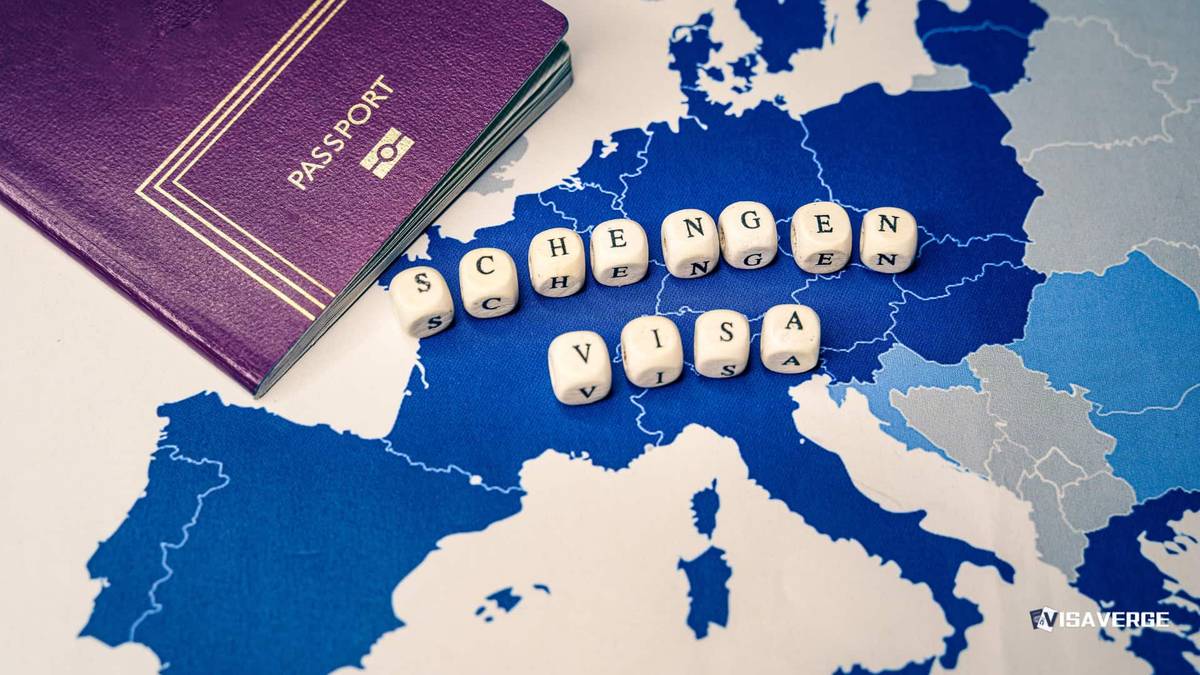
A Schengen visa generally covers short stays in the Schengen area under the applicable visa rules. It does not ordinarily authorize someone to accept long-term employment.
Free toolSchengen Short-Stay Visa CalculatorThe destination country also matters. Applicants normally submit a short-stay application to the consulate of the country that serves as the principal destination. If a trip covers several countries, the itinerary determines which country handles the application under the applicable rules.
A paid slot cannot create visa eligibility
Scammers often target applicants who cannot find an available appointment. They offer access for large payments and claim to control embassy calendars or hold a private allocation of visas.
A consulate may use an authorized external provider to receive applications and biometrics. That provider performs functions assigned by the relevant state; it does not decide every visa outcome.
Applicants should identify the country responsible for the trip, visit that embassy or consulate’s official website and follow its link to the authorized application provider, if one is used. They should compare the booking process and official charges before paying anyone.
An appointment only opens access to the application process. It does not establish eligibility or improve the merits of the case.
A premium appointment service, even where genuinely offered by an authorized center, cannot guarantee approval. Anyone claiming control over all Schengen embassies should be treated cautiously.
The wrong consulate can create a separate problem
Some agents promote an easy-embassy strategy, encouraging applicants to submit an itinerary designed to target a particular consulate. That can lead to serious problems when the proposed travel plans do not reflect the actual main destination.
The European Commission says applications should follow the country corresponding to the real principal destination and itinerary. The EU’s Visa Information System helps authorities process applications and address identity fraud, application fraud and improper visa shopping.
A previous refusal also does not disappear when an agent moves an application to another embassy. Applicants should disclose earlier refusals when the application requires that information.
A real company can still be used in a fake job offer
Job seekers face a different version of the same deception. Recruiters may claim that an employer in Germany, France, Italy, Poland, Czechia, the Netherlands or another European country has already secured immigration approval.
The European Employment Services network, known as EURES, warns against fraudulent job offers that require applicants to receive or forward money or provide financial information in suspicious circumstances. The European Union has also warned about employment offers that falsely use EU institutional identities.
Applicants should investigate the employer without relying only on the recruiter’s material. The check should cover the company’s website, corporate contact details, physical address, recruitment page, email domain and the identity of the person conducting the interview.
Contact the company’s human resources department directly. Ask whether the vacancy exists and whether the company actually intends to hire a non-EU national.
A genuine company does not prove that a particular offer is genuine. That check is only the beginning.
Every job offer needs a country-specific immigration route
Once a vacancy appears legitimate, applicants should ask which country’s employment authorization applies, what the permit is called, who must apply and which government authority processes it.
They should also establish whether a residence permit is required, whether the job qualifies and what government fees apply. “European permit” is not a complete answer.
National employment systems differ. An employer or recruiter should be able to identify the destination country, the exact authorization and the authority responsible for the decision.
Fabricated documents often make these scams look official. A fake file may carry European flags, immigration seals, embassy logos, barcodes, QR codes, ministerial signatures and registration numbers.
Appearance proves nothing. A QR code can direct an applicant to a website controlled by the fraudster.
Verify documents through a government source found independently, rather than through a link supplied by the recruiter. The same approach applies to a claimed approval, registration number or immigration decision.
Money-transfer requests can turn a job scam into a wider risk
EURES specifically warns about offers requiring workers to receive or forward money. Other warning signs include requests to buy cryptocurrency, process invoices through a personal bank account, or receive goods and send them elsewhere.
These demands can cause financial losses. They may also expose the applicant to possible involvement in other unlawful activity.
Seasonal recruitment deserves the same scrutiny. Agriculture, hospitality, construction, warehouses and tourism can offer genuine seasonal jobs, but those sectors also attract bogus advertisements and misinformation.
Before traveling, applicants should verify the employer and the applicable employment authorization. They should read the written employment terms, confirm accommodation arrangements and determine whether the immigration document can be checked through the relevant national authority.
Applicants should inspect the entire file
Agents sometimes tell applicants not to worry because questionable documents are intended only for embassy review. That is not a safe basis for proceeding.
Applicants should review every document submitted in their name, including financial records, employment evidence, travel plans and civil-status documents. They should understand what information the application contains and disclose prior refusals when required.
A person who cannot independently verify a major document should not treat the recruiter’s website or message as proof. Government records and application channels should be checked through independently located official sources.
The same principle applies before payment. A legitimate job, visa process and government record should each be capable of independent verification.
What to do after paying a suspected scammer
Anyone who has already paid should preserve the appointment confirmation, employment offer, immigration document, payment receipts, bank details, emails, telephone numbers, website addresses and chat records.
The applicant should contact the genuine consulate, visa center or employer when impersonation is suspected. If money moved recently, the bank or payment provider should be notified.
A false visa application filed in the applicant’s name may require qualified immigration or legal advice in the relevant country. The records can help establish what was submitted, who made the payment request and whether personal information was misused.
Before paying for any visa or job package, applicants should be able to answer these questions:
- Which specific country is the destination?
- What exact immigration permission is required?
- Is the application for a short-stay visitor visa or employment and residence authorization?
- Does the employer exist, and did the applicant contact it independently?
- Is the booking going through the embassy’s authorized process?
- Is anyone asking for a false itinerary or fabricated financial and employment records?
- Is anyone guaranteeing approval?
- Can each major document be verified without using the agent’s own website?
A genuine case should identify the destination, employer, immigration route and government-controlled process. Applicants should verify each element separately before sending money or personal documents.
This article provides general information and is not legal advice. Consult a qualified immigration attorney about your specific case.