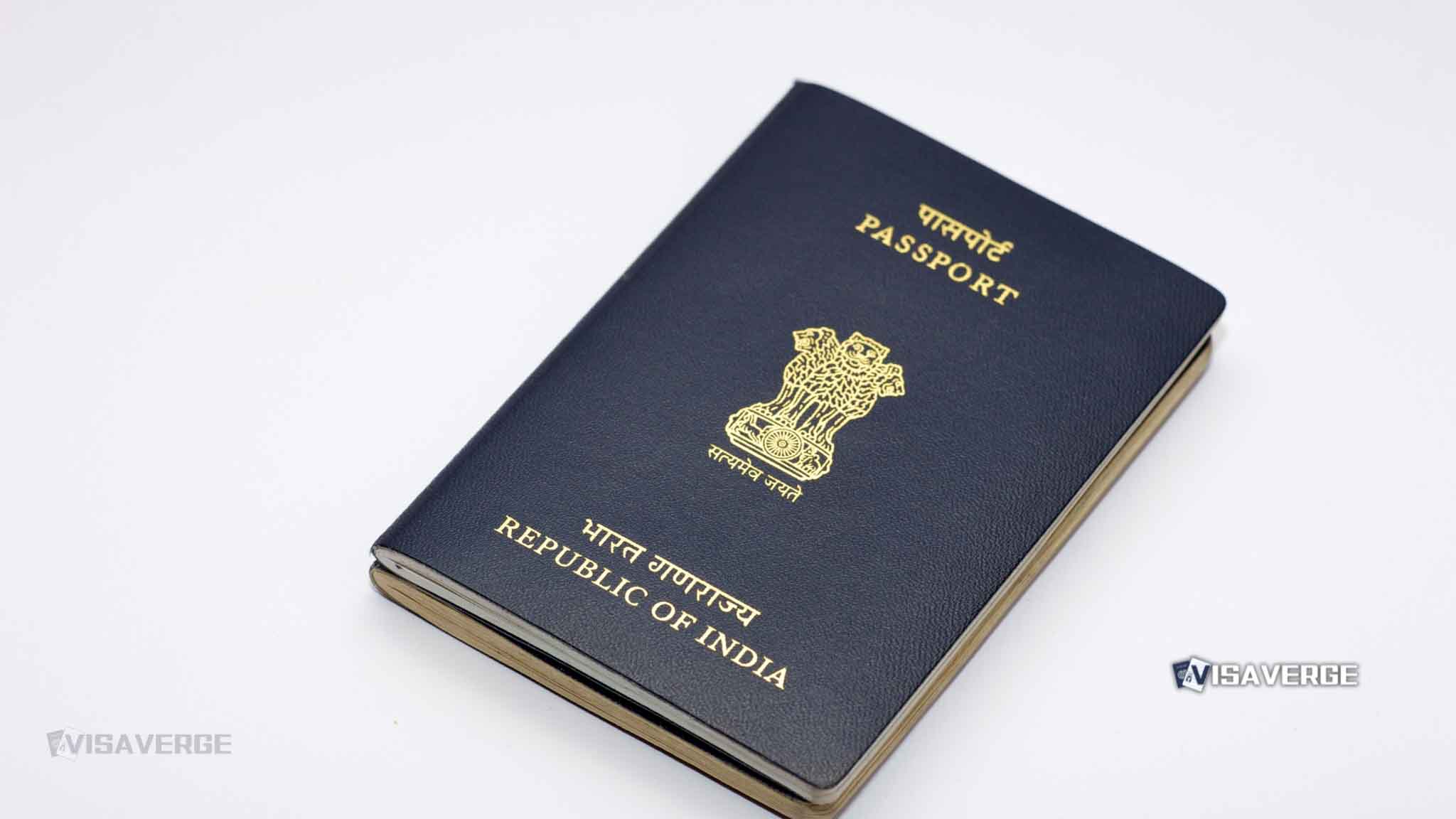
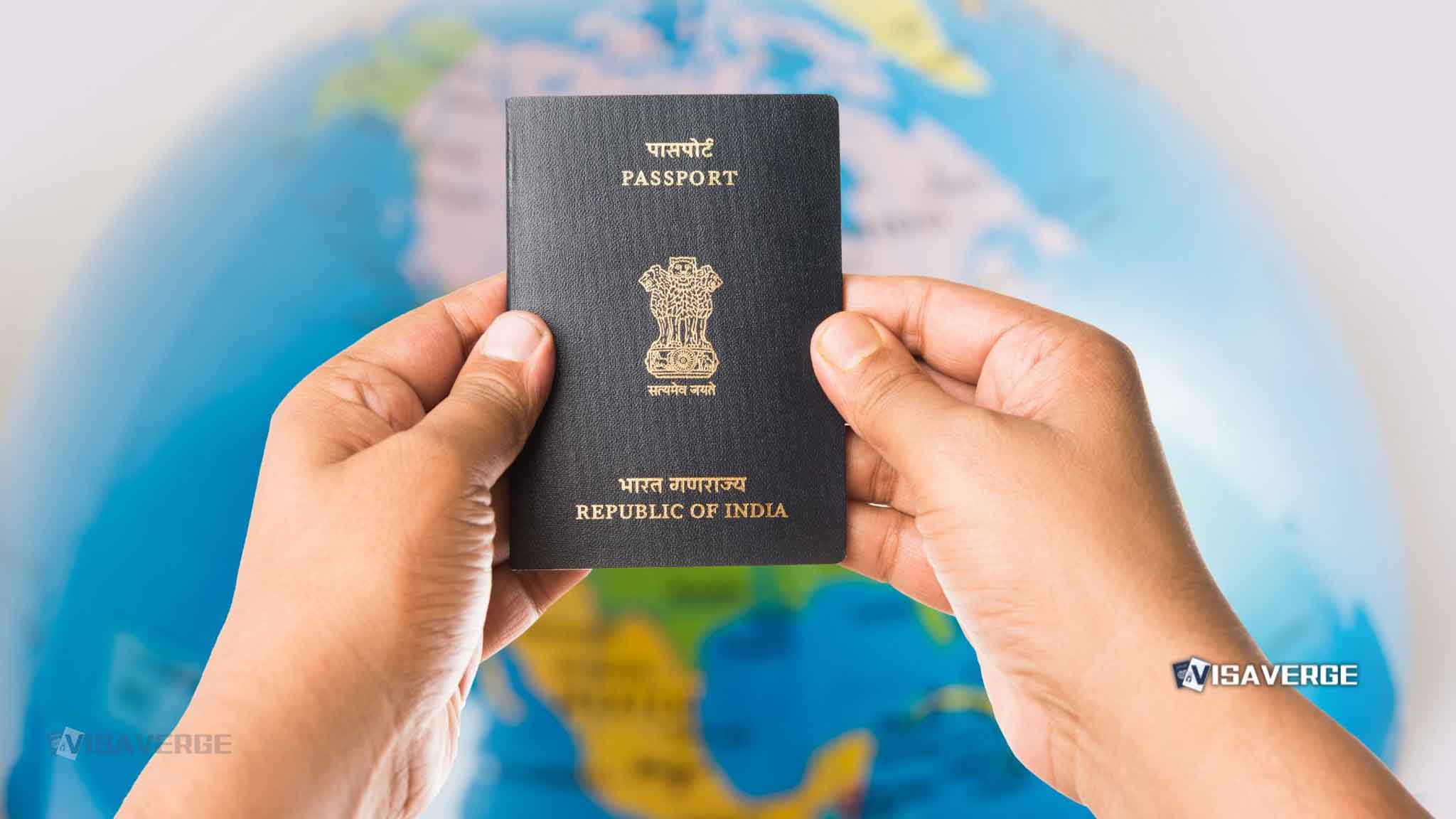
- The Ministry of External Affairs clarified that an Indian passport is a travel document, not citizenship proof.
- India’s global mobility ranking improved to seventy-fifth place on the twenty twenty-six Henley Passport Index.
- Citizenship verification requires maintaining birth certificates and parental records alongside valid or expired passports.
India’s Ministry of External Affairs triggered a fresh debate in June 2026 after it clarified that an Indian Passport functions as a travel document and not as conclusive proof of citizenship.
The clarification did not change how passport holders travel abroad, apply for visas or clear immigration checks. It drew attention instead to a legal distinction that matters in citizenship disputes, OCI applications, inheritance cases and family-status verification.
Free toolSubstantial Presence Test Calculator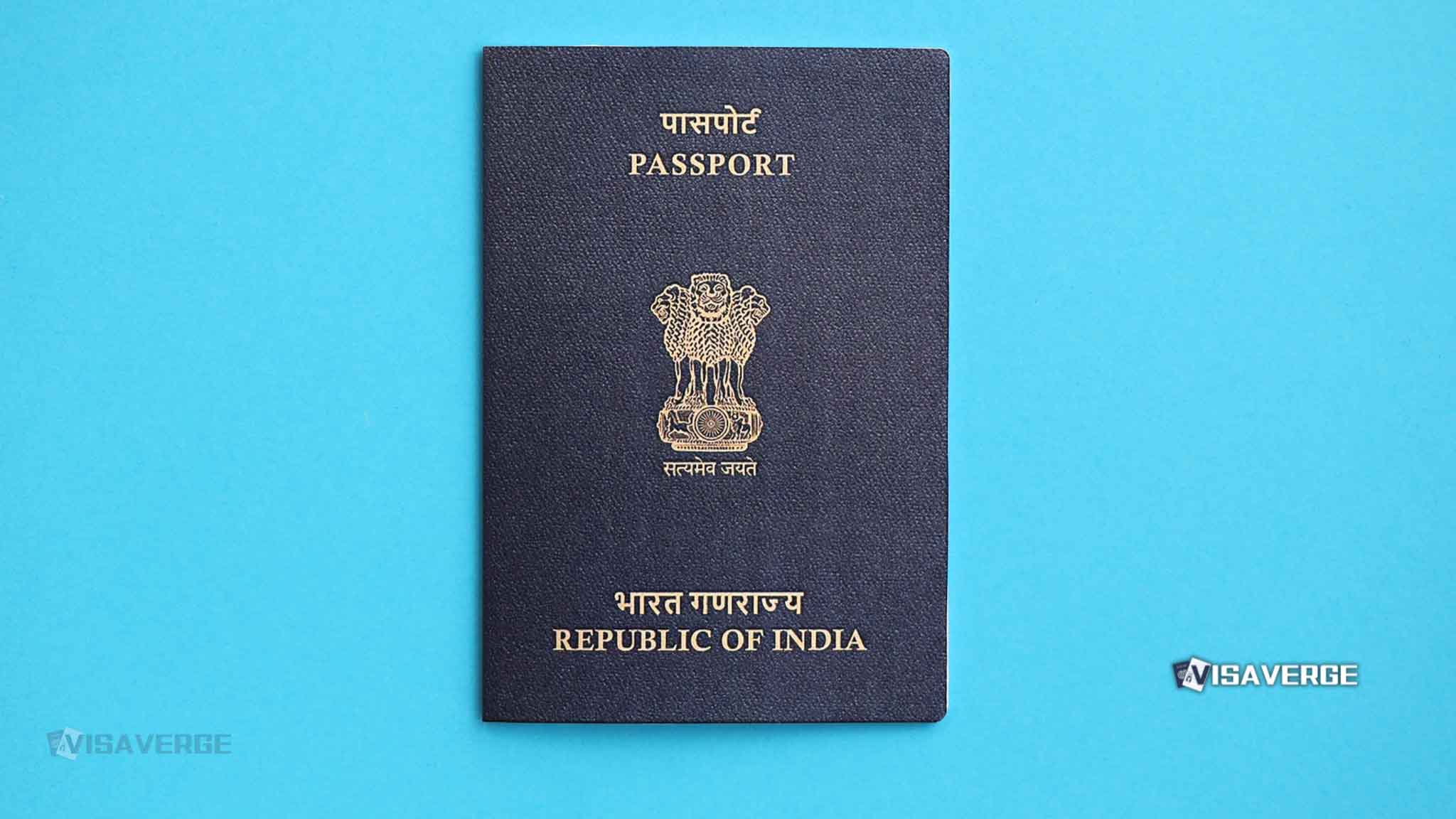
India’s passport also returned to the news for a different reason. In the 2026 Henley Passport Index, India ranked 75th, up from 85th in 2025, with a visa-free score of 56.
Those two developments sit side by side. One concerns mobility and how far a passport can take its holder across borders; the other concerns what the document proves in law if citizenship itself comes under formal scrutiny.
| India | China | ROW | |
|---|---|---|---|
| EB-1 | Feb 01, 2023 ▲109d | Jul 01, 2023 | Current |
| EB-2 | Nov 01, 2013 | Oct 01, 2021 ▲30d | Jan 01, 2025 |
| EB-3 | Jan 01, 2014 | Jan 08, 2022 ▲7d | May 15, 2024 ▼109d |
| F-1 | Jan 22, 2020 | Jan 22, 2020 | Jan 22, 2020 |
| F-2A | Sep 22, 2026 ▲31d | Sep 22, 2026 ▲31d | Sep 22, 2026 ▲31d |
The Legal Position on Passports and Citizenship
The source of the legal debate is the position that possession of an Indian Passport, by itself, does not settle every citizenship question. The document remains important government-issued proof of identity and nationality for travel purposes, but it does not automatically close the door on later examination of how citizenship was acquired.
That distinction rests on the Passports Act, 1967. India Code describes it as a law for issuing passports and travel documents and regulating departure from India of Indian citizens and other persons.
India Code also lists Section 20 of the Act as dealing with the issue of passports and travel documents to persons who are not citizens of India. That provision helps explain why the government treats a passport as strong evidence for travel and identity, yet stops short of calling it final proof of citizenship in every legal setting.
Citizenship flows from the Constitution, the Citizenship Act and the records that support a person’s route to nationality. A passport can support that claim. It does not replace the underlying legal basis.
Travel Mobility and Passport Ranking
Normal travel remains unchanged. Indian passport holders can continue to use their passports for international travel, visa applications, immigration checks and consular services, and foreign governments generally treat passports as the primary travel document identifying a holder’s nationality at the border.
The ranking improvement in the Henley Passport Index reflects that travel role. India’s score of 56 covers destinations where holders may enter without a prior visa, including visa-free entry, visa-on-arrival, visitor permits or electronic travel authorisations.
Travel strength, however, answers a different question from citizenship proof. One measures access. The other concerns whether a person can establish citizenship by birth, descent, registration or naturalisation if an authority asks for more than a current passport.
Implications for NRIs and Overseas Families
That is where the clarification matters for non-resident Indians and Indian-origin families. Cases involving official records in India, OCI applications, children born abroad, passport renewals after long residence outside India, or disputes tied to property and inheritance can turn on old family documents as much as on a current passport.
Families with inconsistent records face a sharper problem. A mismatch in names, dates of birth or places of birth across documents can complicate nationality verification, especially where one family member has acquired foreign citizenship or where older civil records are incomplete.
Important Documents to Maintain
- A birth certificate, copies of current and old Indian passports
- Parents’ Indian passport copies, parents’ birth or citizenship records
- School records showing date and place of birth, domicile or nativity certificates where relevant
- Parents’ marriage certificate where relevant
- Citizenship registration or naturalisation certificates for those who acquired citizenship that way
- Surrender certificates for those who later gave up Indian citizenship
- OCI cards and supporting papers where applicable
- Name-change or gazette records where names differ across documents
The route by which citizenship arose matters because the Indian Citizenship Online portal states that Indian citizenship can be acquired by birth, descent, registration and naturalisation. The same portal refers to digital certificates of registration or naturalisation for people applying under those provisions.
OCI and Dual Citizenship Misunderstandings
OCI applicants and cardholders sit at the center of another common misunderstanding. The Ministry of External Affairs states that OCI should not be misconstrued as dual citizenship
and that OCI cardholders do not get political rights available to Indian citizens.
That means Indian origin often has to be shown through a chain of records. A passport may help establish part of that chain, but old passports, birth records, marriage records and other family documents may also be required depending on the case.
Evidentiary Value of the Indian Passport
An Indian Passport still carries substantial evidentiary value. It can support identity, nationality history, travel history and family-link documentation, and in many official processes a valid or expired passport may be among the most useful records a person has.
Its value becomes stronger, not weaker, when it sits alongside other records. A passport may show that a person was treated as an Indian passport holder when it was issued, while a birth certificate, parental records or a registration certificate may answer the next question about how citizenship was established in law.
Practical Steps for Proper Documentation
The recent clarification is a prompt to prepare before a dispute arises. That means keeping scanned copies of all old and current passports, preserving birth certificates and parents’ records, and checking whether names, dates of birth and places of birth match across documents.
It also means correcting major inconsistencies early, storing OCI, surrender certificate and naturalisation records safely, and carrying destination-specific visa and entry documents while travelling. Social media claims about citizenship papers deserve caution, particularly where they collapse the difference between a travel document and legal status.
Children born abroad need close attention in family files. The same applies where parents hold different nationalities, or where a person has moved from Indian citizenship to foreign citizenship and later needs to document that transition for an administrative or family matter.
Conclusion: Travel vs. Legal Status
None of this strips the Indian Passport of its central role in travel. It remains the document that foreign immigration authorities examine, the paper on which visa applications depend, and the record that opens access to consular services when an Indian national is overseas.
The June 2026 clarification instead narrowed the legal claim attached to that booklet. It remains indispensable at the airport and at the consulate, while citizenship itself may still have to be proved through the Constitution, the Citizenship Act and the personal records that trace how that citizenship arose.
India’s rise to 75th place on the 2026 Henley Passport Index measures how the passport performs in global mobility. The Ministry of External Affairs clarification measures something else entirely: whether one document alone can settle nationality in every formal setting. On that question, the answer from 2026 is no.