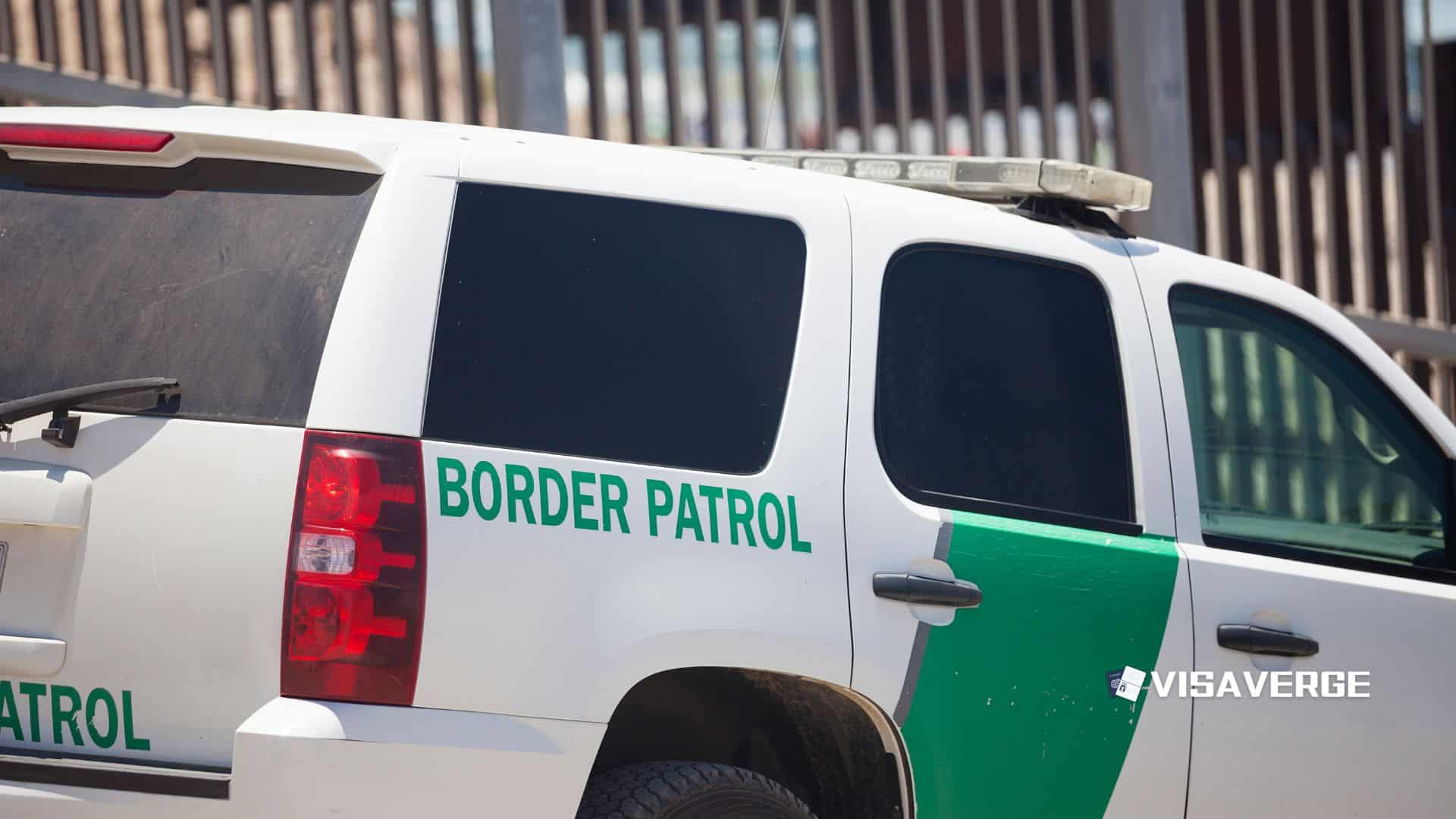
- A federal judge denied the tribe’s request to halt construction of a sixty-two-mile border wall in Arizona.
- The ruling allows contractors to access the sixty-foot Roosevelt Reservation strip for the Tucson Five project.
- Tribal leaders argue the wall desecrates sacred archaeological sites and violates sovereign reservation boundaries.
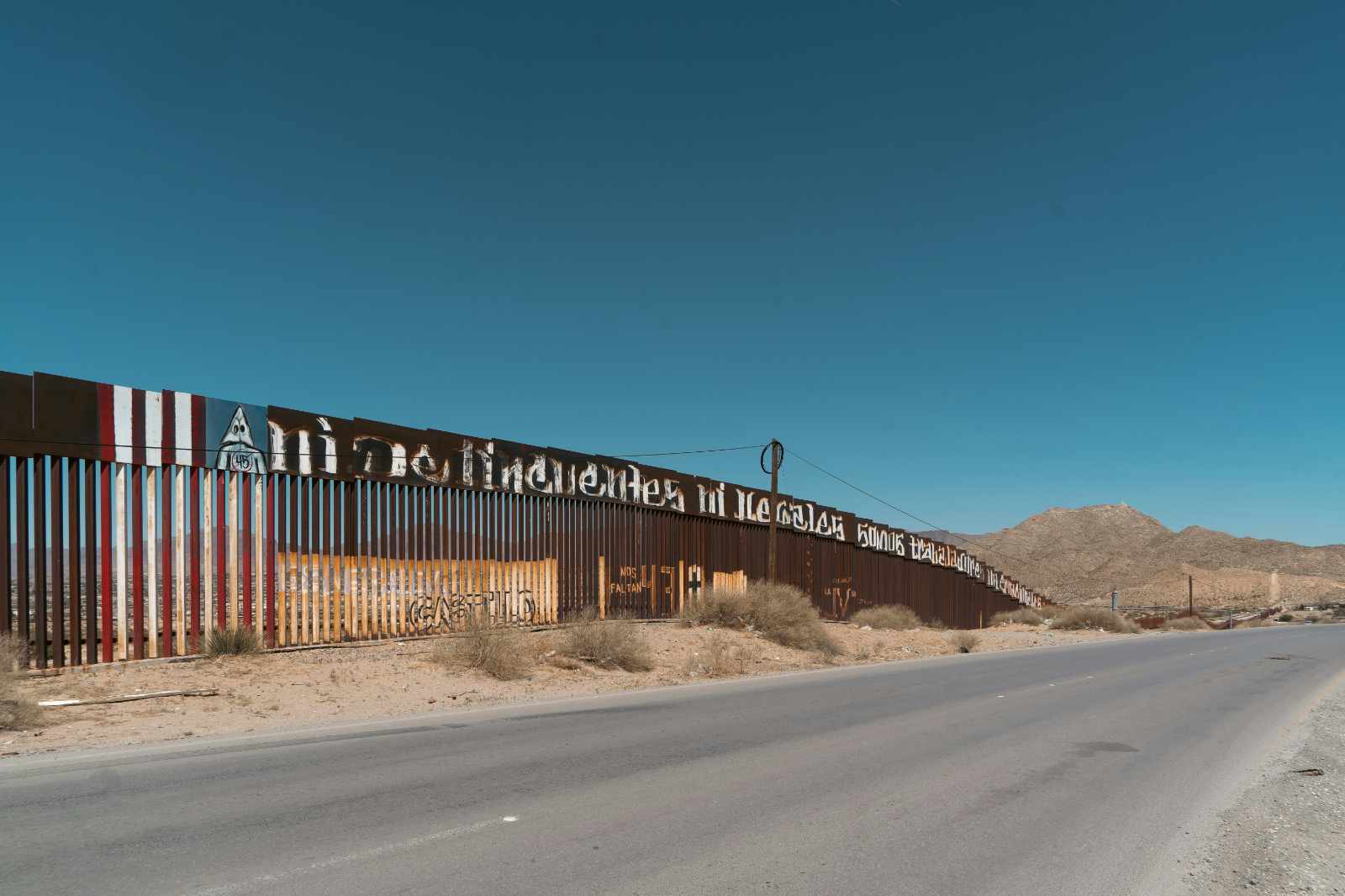
A federal judge on August 14, 2026, refused to halt the Trump administration’s planned 62-mile border wall across the Arizona reservation of the Tohono O’odham Nation without the tribe’s consent.
Senior U.S. District Judge Richard Leon denied the tribe’s request for a preliminary injunction. He ruled that the nation had not shown the project would unlawfully change its reservation boundaries or constitute trespassing.
Free toolUSCIS Receipt Number Decoder
Leon also found that border security, immigration enforcement and public safety outweighed the potential harms described by the tribe at this stage. The case is identified as No. 1:26-cv-02127.
Construction preparations can now advance. The project carries the name Tucson 5.
| India | China | ROW | |
|---|---|---|---|
| EB-1 | Feb 01, 2023 ▲109d | Jul 01, 2023 | Current |
| EB-2 | Nov 01, 2013 | Oct 01, 2021 ▲30d | Jan 01, 2025 |
| EB-3 | Jan 01, 2014 | Jan 08, 2022 ▲7d | May 15, 2024 ▼109d |
| F-1 | Jan 22, 2020 | Jan 22, 2020 | Jan 22, 2020 |
| F-2A | Sep 22, 2026 ▲31d | Sep 22, 2026 ▲31d | Sep 22, 2026 ▲31d |
The ruling opens the corridor to federal contractors
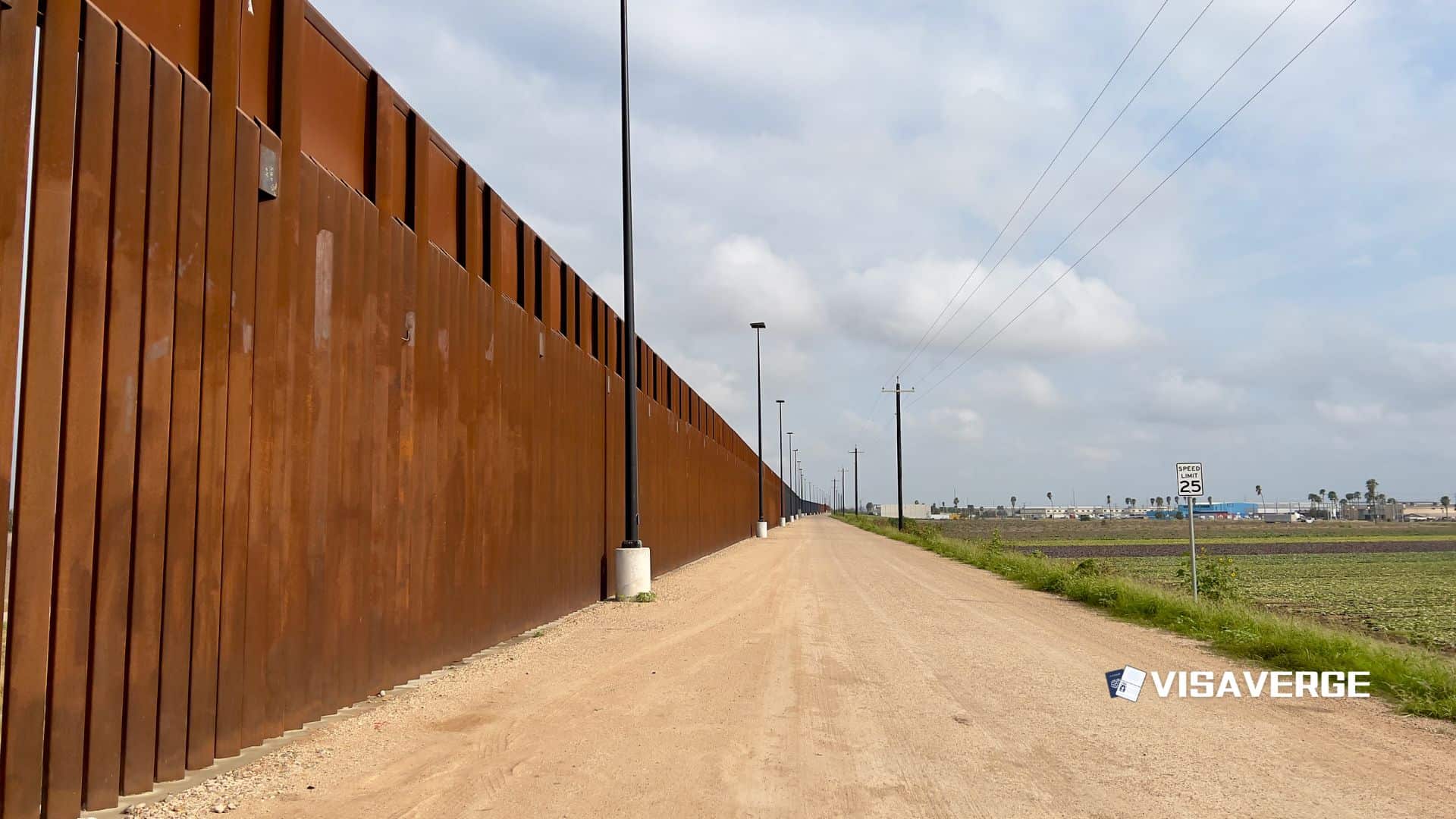
Leon’s 18-page opinion cited the Roosevelt Reservation, a 60-foot strip along the U.S.-Mexico border designated by President Theodore Roosevelt in 1907. The court found that the strip permits federal construction without unilaterally changing the reservation’s boundaries or unlawfully entering tribal land.
U.S. Customs and Border Protection can authorize contractors to move heavy machinery into the corridor. SLSCO Ltd. is among the contractors identified in the project.
The Department of Homeland Security invoked Section 102(c) of the Illegal Immigration Reform and Immigrant Responsibility Act to waive dozens of environmental and cultural protection laws. Those laws include the National Environmental Policy Act and the Endangered Species Act.
The tribe disputes the government’s authority. It argues that Congress established the reservation boundaries and that a 1927 law prevents any change without another Act of Congress.
Leon did not accept that argument for purposes of blocking construction now. His ruling allows the government to proceed while the broader legal dispute continues.
The Tucson 5 project would add fencing, lights and patrol roads
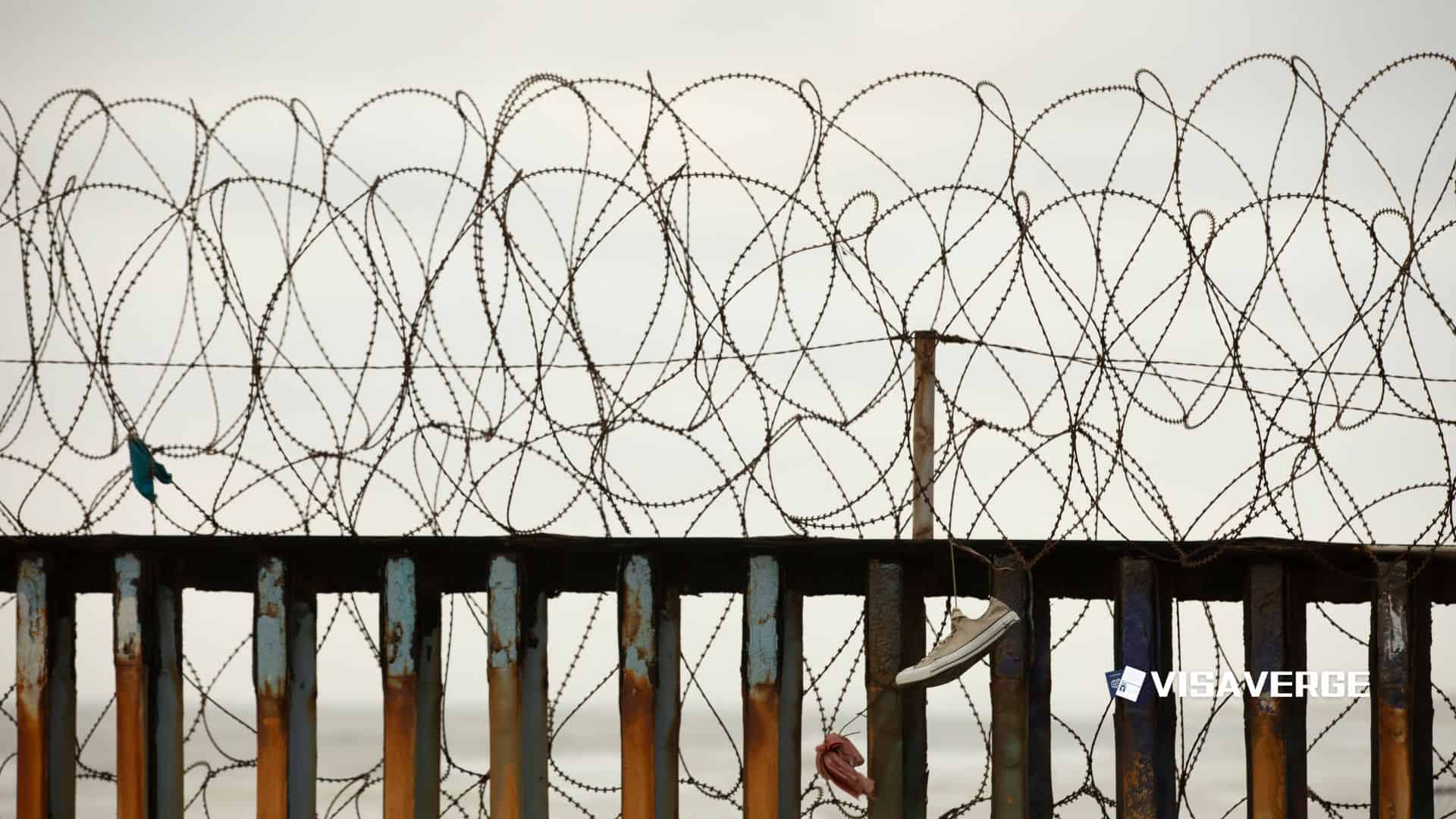
The multi-billion-dollar Tucson 5 Wall Project includes primary and secondary steel bollard fencing, high-intensity lighting and new patrol roads.
The next step is access. CBP can authorize contractors to bring heavy equipment onto the 60-foot corridor.
The ruling does not eliminate the tribe’s objections to the project’s cultural, environmental or community effects. Those concerns formed the central part of the request for court intervention.
The tribe says construction threatens sacred places and families
The nation says construction could damage sacred mountains and natural resources, disrupt religious practices and divide communities living on both sides of the international boundary.
The O’odham people have traveled across the area since “time immemorial.” The 37,000-member tribe includes thousands of members in Mexico.
Tribal leaders report that work has already damaged the Las Playas Intaglio, an ancient archaeological site. They also identify Baboquivari Peak and Quitobaquito Springs as places threatened by the project and central to O’odham spiritual practices.
Chairman Verlon Jose condemned the construction plans.
“The wall is a wasteful political gimmick. It will separate our families, desecrate our sacred sites and waters and harm our natural environment, while doing nothing to actually make us safer.”
The tribe deployed tribal police before the ruling. Officers posted “No Trespassing” signs to prevent unauthorized contractors from entering the reservation.
Homeland Security defends its authority to proceed
James Percival, DHS general counsel, praised the decision in a statement on social media. He said the administration recognized tribal sovereignty but would not let it prevent border construction.
“We respect tribal sovereignty but not to the detriment of border security. This wall is getting built. Our authority is beyond dispute.”
A DHS spokesperson said the department would coordinate with tribal nations during planning and construction. The agency also said it valued its relationship with the tribe and would focus on open communication and minimizing impacts.
DHS Secretary Markwayne Mullin, a citizen of the Cherokee Nation, has said he respects tribal sovereignty. DHS representatives also pointed to the agency’s statutory mandate to “achieve and maintain operational control” of the border.
The court’s decision reflects the government’s position that border security and enforcement powers support construction in the corridor. The tribe maintains that those powers cannot override congressional control of its reservation boundaries.
Contractor access now becomes the immediate operational issue. Heavy machinery could move onto the 60-foot strip as the litigation proceeds.
This article provides general information and is not legal advice. Consult a qualified immigration attorney about your specific case.