- Michael O’Leary says rival airlines could raise fares by 10% to 20% next summer if fuel prices stay high.
- Ryanair says it will not impose a fuel surcharge, but does not promise to keep all fares unchanged.
- O’Leary says expiring fuel hedges could pressure struggling European airlines and accelerate industry consolidation.
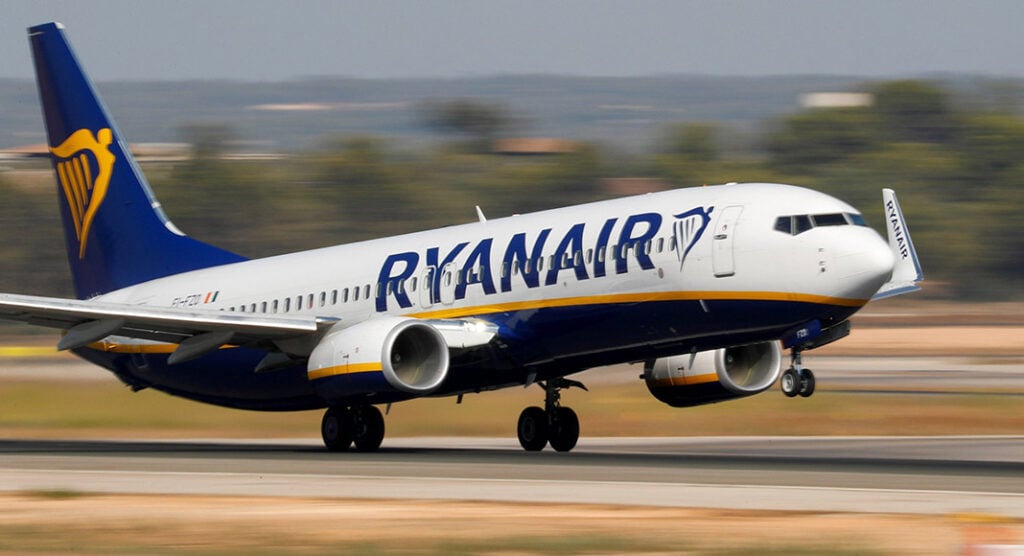
Ryanair says it will not impose a fuel surcharge next summer, while group CEO Michael O’Leary expects rival airlines to pass higher jet-fuel costs on to passengers. He made the prediction on September 23, 2026, and forecast that fares at other carriers could rise by 10% to 20% if fuel prices remain high.
O’Leary drew a sharp contrast between his airline and legacy carriers. “The legacy guys certainly will next summer,” he said, describing the surcharge policy he expects rivals to adopt. His forecast was conditional, not a prediction that every carrier will raise fares by the same amount.
The company’s pledge concerns surcharges. The forecast for competitors concerns overall airfares. O’Leary did not say Ryanair would hold every fare unchanged.
He said airlines had been protected from higher fuel costs by hedging, but that cover would not last. Most carriers, he said, were “well hedged into the summer of 2026.”
Expiring hedges leave rivals exposed to higher fuel bills
O’Leary said the protection from those arrangements was ending as airlines head into next year. Once the cover runs out, he argued, carriers will have less ability to absorb higher oil prices themselves.
“None of us will be able to absorb those much higher oil prices next year . and it will get passed on in the form of fuel surcharges on higher airfares.”
The remarks set out the reasoning behind his fare prediction: higher costs would reach passengers through surcharges or higher ticket prices. But the increase he forecast depends on fuel prices staying elevated. He did not describe a fixed surcharge amount or give a date when rivals might introduce one.
Ryanair’s position is different, according to O’Leary. He said the airline would not levy an add-on, while predicting legacy competitors would. The pledge does not change his warning about the wider market. He expects rival airlines to face costs that they cannot keep absorbing after their hedges expire.
O’Leary tied fuel pressure to a shake-up among European airlines
O’Leary also linked the prospect of higher fuel bills to financial pressure on weaker carriers. He predicted that airlines already losing money would fail, and said the process would speed up consolidation in Europe.
His projected group of four large airlines comprised British Airways, Lufthansa, Air France and his own carrier. He presented the prediction as a possible result of struggling airlines failing, rather than as a completed change in the market.
O’Leary said he hoped jet-fuel prices would rise faster next year, arguing that a steeper increase would accelerate the failure of other airlines. It was a stark assessment of how he expects fuel costs to affect the industry, beyond the immediate question of what customers might pay.
That view sits alongside his conditional fare estimate. If fuel prices remain high, he expects rival fares to rise by 10% to 20%. If prices do not, the forecast he gave does not apply as stated.
Brady said fuel supply was less pressing than its price
Ryanair chief marketing officer Dara Brady addressed a separate concern the following day. Speaking at a press conference in Liverpool on September 24, 2026, he said the availability of jet fuel was less of an immediate concern than its price.
Brady’s distinction placed the focus on cost rather than access to fuel. O’Leary’s remarks likewise centered on the expense airlines may face as hedges run off, and on whether carriers pass those costs through to passengers.
The company’s position remains that it will not add a surcharge. The next summer season will test O’Leary’s prediction about rival carriers and the fare increases he expects if fuel prices stay elevated.