- More than 400 Sudanese refugees crossed into eastern Chad daily last week, a twentyfold increase over recent months.
- The regional response plan needs $1.6 billion, but has received only 18% of its funding.
- Nearly one million refugees have crossed into Chad since the war began, while 14 million people displaced across Sudan.
The United Nations refugee agency said Friday that arrivals of Sudanese refugees in eastern Chad have risen 20-fold, with more than 400 people crossing each day over the past week. The increase follows months of a much lower daily pace.
The surge comes as the regional response remains short of funding. The agency said it has received 18% of the money needed for its plan.
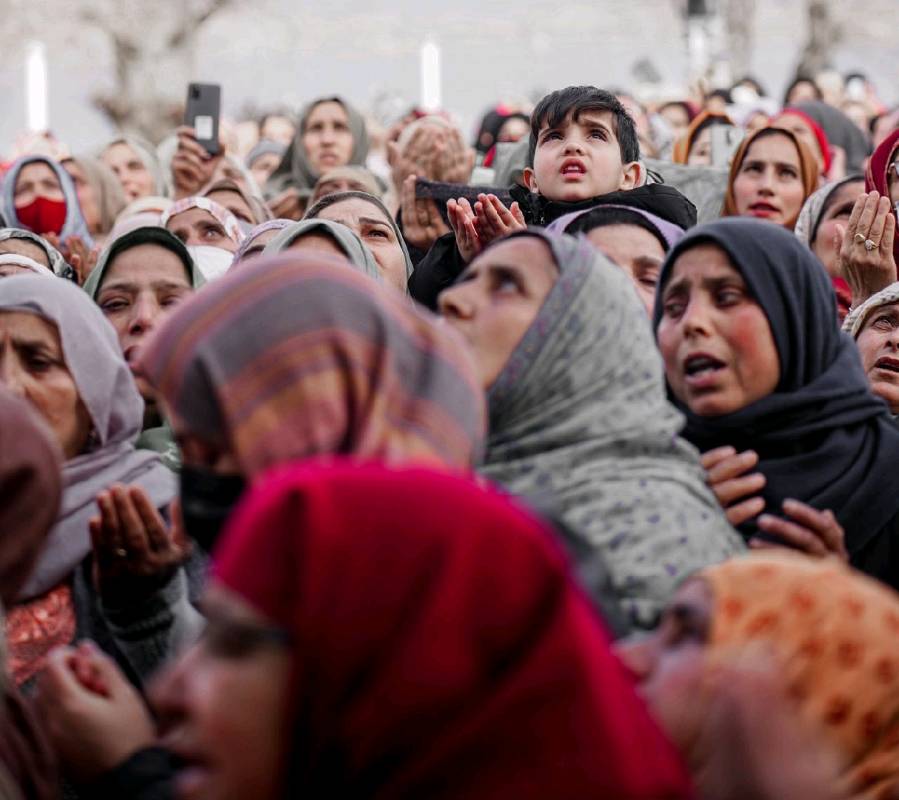
Mamadou Dian Balde, the UN Regional Refugee Coordinator for the Sudan Situation, described what people have told aid workers. They are fleeing violence in Sudan, not simply seeking a new destination.
“People who tell us that they flee the conflict, they flee the aerial bombardments, they flee the drone attacks,” Balde said. The arrivals have accelerated sharply, he said.
Arrivals are coming from three conflict-hit regions
People reaching the border are fleeing Darfur, Kordofan and Blue Nile, where fighting between Sudan’s army and the paramilitary Rapid Support Forces has continued for more than three years. The latest arrivals have used the Adré and Tiné border areas.
More than 400 people a day crossed during the past week. UNHCR described that flow as 20 times the rate seen in recent months. The agency’s account links the increase to renewed fighting and worsening insecurity in the three regions.
The pace has accelerated sharply. Families are arriving through border areas in eastern Chad where assistance is already stretched, according to the UNHCR update.
Balde said the refugees described escaping both aerial bombardments and drone attacks. His account points to the immediate dangers driving people from their homes, as arrivals continue at the border.
The crossing figure captures only the latest week. More than 55,000 people have fled into the area so far this year, adding to earlier arrivals since the war began.
The funding gap is limiting food, shelter and relocation
The regional refugee response plan calls for $1.6 billion this year. UNHCR has received only 18% of that amount, leaving operations with a steep gap as new arrivals need assistance.
Balde said the funding shortage has direct consequences for the response. It reduces the amount of food aid available and limits the agency’s ability to move people to safer locations or help them shelter themselves.
“Less food, less capacity for people to be relocated to safer areas … less capacity to shelter themselves.”
The response in Chad has been described as funded at about 20%. That figure reflects the wider funding constraint facing operations there; the regional plan’s reported receipts stand at 18% of its $1.6 billion requirement.
The shortfall affects several parts of the response at once. Food provision, relocation and shelter all depend on resources that the agency says have not arrived at the required level. Newly arriving families are reaching border districts where aid capacity is already stretched.
This year’s arrivals add to a wider displacement crisis
More than 55,000 refugees have reached the area this year. Since the conflict began in April 2023, almost 1 million refugees have crossed into Chad.
The movement across the border forms part of a broader displacement emergency inside Sudan. The United Nations estimates that the war has displaced as many as 14 million people.
The refugee agency’s count covers people who have crossed into Chad, while the larger displacement figure includes people uprooted by the war more broadly. The figures describe different parts of the crisis, from arrivals in a neighboring country to displacement across Sudan.
The conflict has now lasted more than three years. People continue to leave areas including Darfur, Kordofan and Blue Nile as fighting and insecurity push them toward the border.
Balde gave the latest briefing from Nairobi
The latest UN briefing took place in Geneva on 25 September 2026. Balde spoke by video link from Nairobi, describing the increased movement and the strain on the response.
Balde also serves as UNHCR Regional Director for Eastern and Southern Africa. His account connected the daily influx to the conditions people say they are escaping, while the agency’s funding figures outline the limits on assistance at their destination.