Federal immigration enforcement disrupted southwest Kansas beef production from September 23–25, 2026, as workers stayed away and industry groups warned of higher prices. Fear of ICE arrests kept some immigrant workers from their jobs. The activity reached plants in Dodge City and Liberal.
USDA figures recorded 90,000 cattle slaughtered Thursday, a 16% drop from a week earlier. Friday’s total was 87,000, down 14%. The reductions came during a period of reported production slowdowns.
Industry groups said the disruption delayed shipments of thousands of cattle and caused millions of dollars in lost revenue. Their warning to consumers centered on further price increases if the slowdowns continued.
Free toolUSCIS Receipt Number Decoder
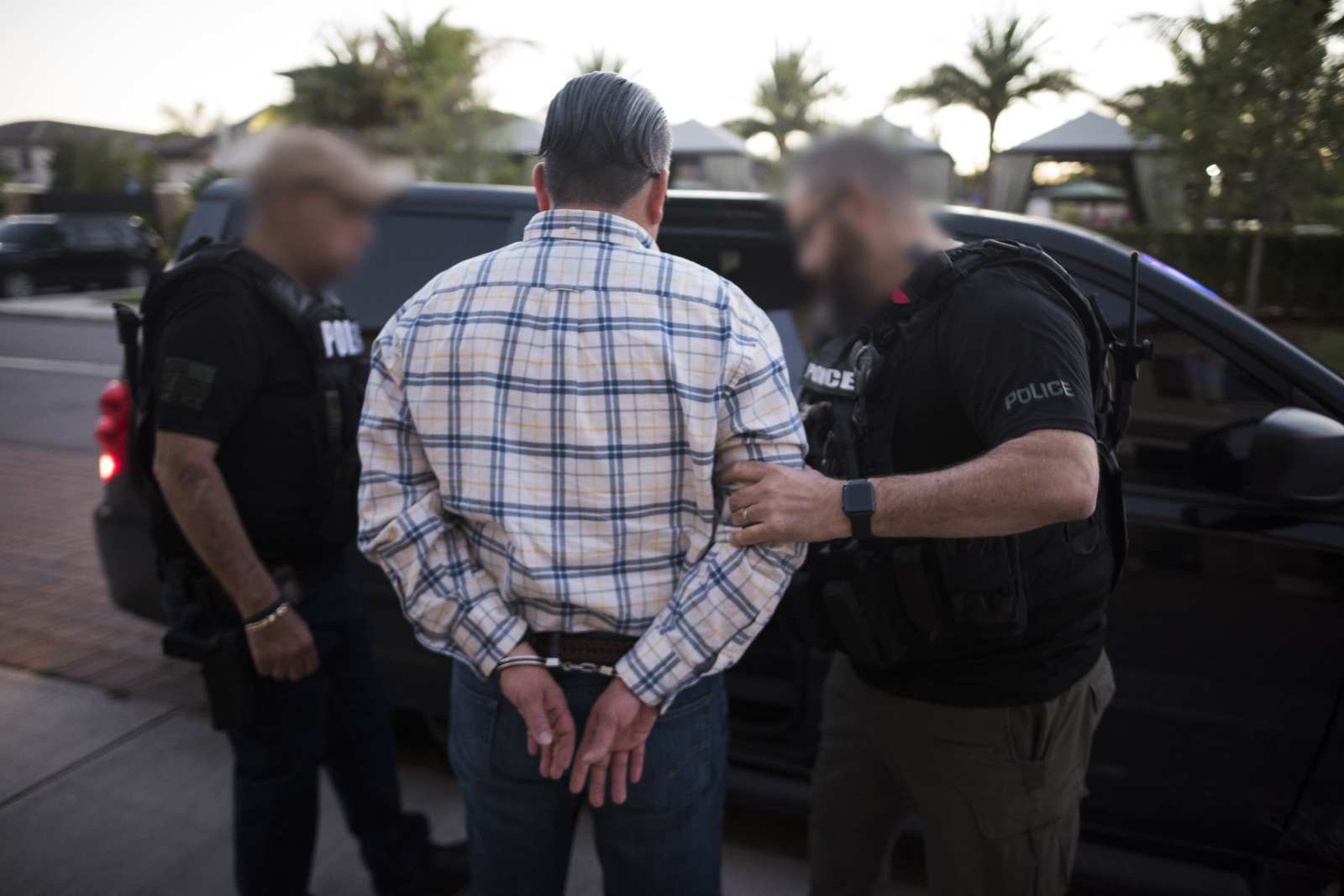
Officers were reported stopping motorists and asking about citizenship in the area. Local officials said detentions began in one city at about 5 a.m. Tuesday. Organizers and officials described people staying home amid the enforcement activity.
Worker absences left plants sending cattle back to feedlots
The Kansas Livestock Association, Oklahoma Cattlemen’s Association and Texas Cattle Feeders Association said the enforcement activity unsettled workers they described as “legal, documented, skilled workers.” The groups said it created “a massive chilling effect” and warned the disruption “will lead to higher beef prices for consumers.”
Scarlett Mabinger, vice president of communications for the Kansas Livestock Association, said members reported more absences at southwest Kansas businesses after residents noticed additional federal officers. Some plants temporarily shut down, she said, leaving cattle to be returned to feed yards while they waited.
That delay carried consequences beyond a missed production shift. Mabinger said holding cattle at feed yards raised financial and animal-health concerns.
“So then they’re having to be returned back to the feed yard to wait, which, of course, causes an animal health issue, causes financial issues.”
Plants across the region typically process thousands of cattle each day. Facilities in Garden City are part of an area with four major operations and about 24,000 head-a-day capacity, more than 20% of daily U.S. fed-cattle slaughter.
Beef prices were already elevated before the enforcement activity. Industry groups said additional processing delays could drive them higher, while the current disruption had already produced reported revenue losses.
Residents described closed businesses and falling school attendance
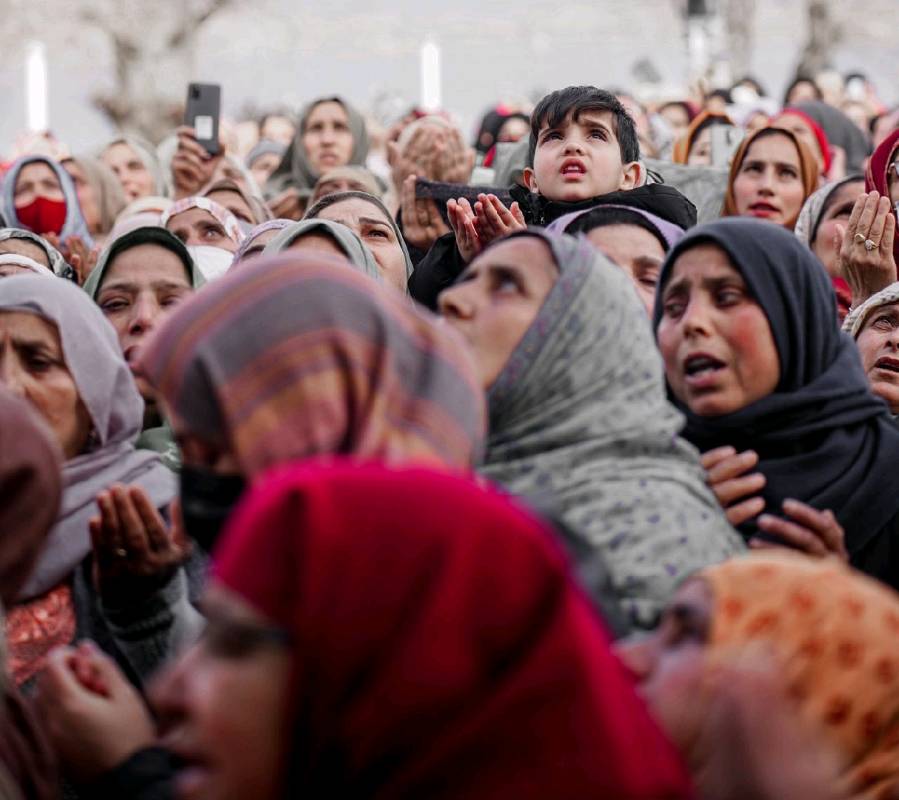
Vice Mayor Janeth Vazquez said residents were afraid to leave their homes, with businesses closing and school attendance dropping. She described the atmosphere in the community this way:
“Our community is a ghost town. Businesses are not open because people are scared to leave their homes.”
Vazquez said local officials had a duty to protect everyone in the community. She also pointed to families with different immigration situations living there.
“I want to reaffirm that our responsibility is to serve and protect everybody in our community,”
“Liberal is home to families from many different backgrounds, including families with mixed immigration statuses. That is the reality of our community, whether people want to accept it or not.”
An organizer said they personally saw three arrests and five to six other people pulled over during the day. The reports of vehicle stops and questions about citizenship came from communities across the area, as did accounts of residents avoiding work and public activity.
The effects extended beyond meatpacking, according to community members, who cited feedlots, dairies, grain companies, transportation hubs and community services. Those connections put the disruption across a wider range of local businesses and services than the processing plants alone.
Homeland Security said agents were not conducting worksite raids
The Department of Homeland Security confirmed federal agents were in Kansas but said they were not conducting worksite raids. Its account came as local officials and organizers described detentions and traffic stops in nearby communities.
Homeland Security Secretary Markwayne Mullin said ICE was “targeting heinous criminals.” He did not provide a breakdown of arrests.
The Kansas groups’ price warning rests on a supply chain where the region’s plants process a large share of the nation’s fed cattle. They said the plants’ continued slowdown could push prices higher as the cattle and workers move through the system.