Spanish Civil Guard police began installing a 500-meter floating barrier at the Tarajal breakwater in Ceuta on August 1 after a mass rush from Morocco. Spanish officials said crossings had dropped to about zero overnight as the response rolled out, while the government kept reinforced security deployments in place.
- The inflatable barrier will extend up to one meter below the surface and sit 30 to 70 centimeters above water, with an outer line of anchored buoys supplied by the Spanish Navy.
- Pedro Sánchez said on Friday that Spain would deploy buoys to create a containment barrier as a “physical, albeit visual, boundary” to strengthen border security.
- Spanish officials said more than 48,000 people returned to Morocco within 48 hours as the immediate crisis came under control.
- The death toll in the Ceuta rush was reported at at least 67, and 22 European Union governments requested an emergency meeting on Friday, July 31.
Ceuta’s crisis escalated sharply over the past few days, with Juan Jesús Vivas saying an estimated 60,000 migrants entered from Wednesday to Friday and Spain’s Interior Ministry putting the figure at 50,000. By August 2, Spanish authorities said most had already been returned to Morocco, while the death toll stood at at least 72.
- Juan Jesús Vivas said an estimated 60,000 migrants entered Ceuta from Wednesday to Friday, while Spain’s Interior Ministry reported 50,000.
- Spain said the majority of arrivals were back in Morocco by Sunday, with Reuters reporting 48,300 had returned by 6 p.m. local time on Friday.
- Spanish authorities reported at least 72 deaths by August 2 as bodies continued to be recovered.
- Spain deployed the military and additional security forces in Ceuta, and Spain and Morocco agreed on 30 July to accelerate return procedures for people who crossed illegally.
1 earlier update
Spanish Civil Guard police began installing a 500-meter floating barrier at the Tarajal breakwater in Ceuta on August 1 after a mass rush from Morocco. Spanish officials said crossings had dropped to about zero overnight as the response rolled out, while the government kept reinforced security deployments in place.
Free toolUSCIS Receipt Number Decoder- The inflatable barrier will extend up to one meter below the surface and sit 30 to 70 centimeters above water, with an outer line of anchored buoys supplied by the Spanish Navy.
- Pedro Sánchez said on Friday that Spain would deploy buoys to create a containment barrier as a “physical, albeit visual, boundary” to strengthen border security.
- Spanish officials said more than 48,000 people returned to Morocco within 48 hours as the immediate crisis came under control.
- The death toll in the Ceuta rush was reported at at least 67, and 22 European Union governments requested an emergency meeting on Friday, July 31.
Hundreds of migrant children remain in Ceuta as Spain’s border response has shifted after a July 2026 Supreme Court ruling on sea arrivals. Spanish authorities have also reinforced the enclave with troops, naval support, and other security assets while the humanitarian strain on unaccompanied minors continues.
- Spain deployed military platoons, air and naval support, and diving teams to patrol the waters around Ceuta after the mass crossing.
- The humanitarian situation for minors remains severe, with hundreds of unaccompanied children sleeping outdoors in a disused industrial park and needing immediate protection and safe accommodation.
- Spain’s July 2026 Supreme Court ruling requires migrants intercepted at sea while trying to reach Ceuta or Melilla to be formally processed instead of summarily returned under the special border-rejection regime.
- Reports on the death toll have been revised upward, with figures cited at 57, 67, and at least 67 as bodies continued to be recovered from the sea.
2 earlier updates
Ceuta’s crisis escalated sharply over the past few days, with Juan Jesús Vivas saying an estimated 60,000 migrants entered from Wednesday to Friday and Spain’s Interior Ministry putting the figure at 50,000. By August 2, Spanish authorities said most had already been returned to Morocco, while the death toll stood at at least 72.
- Juan Jesús Vivas said an estimated 60,000 migrants entered Ceuta from Wednesday to Friday, while Spain’s Interior Ministry reported 50,000.
- Spain said the majority of arrivals were back in Morocco by Sunday, with Reuters reporting 48,300 had returned by 6 p.m. local time on Friday.
- Spanish authorities reported at least 72 deaths by August 2 as bodies continued to be recovered.
- Spain deployed the military and additional security forces in Ceuta, and Spain and Morocco agreed on 30 July to accelerate return procedures for people who crossed illegally.
Spanish Civil Guard police began installing a 500-meter floating barrier at the Tarajal breakwater in Ceuta on August 1 after a mass rush from Morocco. Spanish officials said crossings had dropped to about zero overnight as the response rolled out, while the government kept reinforced security deployments in place.
- The inflatable barrier will extend up to one meter below the surface and sit 30 to 70 centimeters above water, with an outer line of anchored buoys supplied by the Spanish Navy.
- Pedro Sánchez said on Friday that Spain would deploy buoys to create a containment barrier as a “physical, albeit visual, boundary” to strengthen border security.
- Spanish officials said more than 48,000 people returned to Morocco within 48 hours as the immediate crisis came under control.
- The death toll in the Ceuta rush was reported at at least 67, and 22 European Union governments requested an emergency meeting on Friday, July 31.
Spain’s death toll from the Ceuta mass border crossing was revised to 72 by August 2, 2026, after officials recovered five additional bodies along the coast. At the same time, Spain and Morocco moved to halt the crossings and tighten return procedures after roughly 49,000 people arrived in a single day.
- Spain’s Interior Ministry said about 50,000 people crossed into Ceuta since Thursday morning, while authorities said 48,300 had returned by 6 p.m. on Friday.
- Spain and Morocco agreed to the urgent return of migrants who entered Ceuta and committed to step up coordination and review procedures to speed returns.
- Miguel Ángel Pérez, Spain’s government representative in Ceuta, said on August 2 that more than 1,000 people had been treated by health services since Thursday.
- The European Commission said there were no onward movements from Ceuta to the European mainland, and that irregular entrants would not be able to move freely into the rest of the EU.
3 earlier updates
Hundreds of migrant children remain in Ceuta as Spain’s border response has shifted after a July 2026 Supreme Court ruling on sea arrivals. Spanish authorities have also reinforced the enclave with troops, naval support, and other security assets while the humanitarian strain on unaccompanied minors continues.
- Spain deployed military platoons, air and naval support, and diving teams to patrol the waters around Ceuta after the mass crossing.
- The humanitarian situation for minors remains severe, with hundreds of unaccompanied children sleeping outdoors in a disused industrial park and needing immediate protection and safe accommodation.
- Spain’s July 2026 Supreme Court ruling requires migrants intercepted at sea while trying to reach Ceuta or Melilla to be formally processed instead of summarily returned under the special border-rejection regime.
- Reports on the death toll have been revised upward, with figures cited at 57, 67, and at least 67 as bodies continued to be recovered from the sea.
Ceuta’s crisis escalated sharply over the past few days, with Juan Jesús Vivas saying an estimated 60,000 migrants entered from Wednesday to Friday and Spain’s Interior Ministry putting the figure at 50,000. By August 2, Spanish authorities said most had already been returned to Morocco, while the death toll stood at at least 72.
- Juan Jesús Vivas said an estimated 60,000 migrants entered Ceuta from Wednesday to Friday, while Spain’s Interior Ministry reported 50,000.
- Spain said the majority of arrivals were back in Morocco by Sunday, with Reuters reporting 48,300 had returned by 6 p.m. local time on Friday.
- Spanish authorities reported at least 72 deaths by August 2 as bodies continued to be recovered.
- Spain deployed the military and additional security forces in Ceuta, and Spain and Morocco agreed on 30 July to accelerate return procedures for people who crossed illegally.
Spanish Civil Guard police began installing a 500-meter floating barrier at the Tarajal breakwater in Ceuta on August 1 after a mass rush from Morocco. Spanish officials said crossings had dropped to about zero overnight as the response rolled out, while the government kept reinforced security deployments in place.
- The inflatable barrier will extend up to one meter below the surface and sit 30 to 70 centimeters above water, with an outer line of anchored buoys supplied by the Spanish Navy.
- Pedro Sánchez said on Friday that Spain would deploy buoys to create a containment barrier as a “physical, albeit visual, boundary” to strengthen border security.
- Spanish officials said more than 48,000 people returned to Morocco within 48 hours as the immediate crisis came under control.
- The death toll in the Ceuta rush was reported at at least 67, and 22 European Union governments requested an emergency meeting on Friday, July 31.
- Spanish authorities reinforced the Ceuta border after nearly 49,000 people entered from Morocco within 24 hours.
- Reception facilities collapsed as minor centers reached 2,400% capacity, forcing thousands to sleep on streets and beaches.
- Repatriation efforts are underway with over 25,000 people returned to Morocco by Friday afternoon as military units arrive.
Spanish authorities reinforced the border after roughly 49,000 people entered Ceuta from Morocco during the 24 hours spanning July 30 and 31, 2026. At least 18 to 19 people died in the crossing, according to separate reports, while other accounts put the toll higher.
The Spanish government began sending people back across the border as thousands returned voluntarily or under official arrangements. Interior Minister Fernando Grande-Marlaska said nearly 50,000 migrants had crossed and that repatriations would be accelerated “as soon as possible.”
The scale overwhelmed reception facilities. People slept in streets, parks and on beaches, while unaccompanied-minor facilities operated at 2,400% of intended capacity.
The border remains heavily guarded.
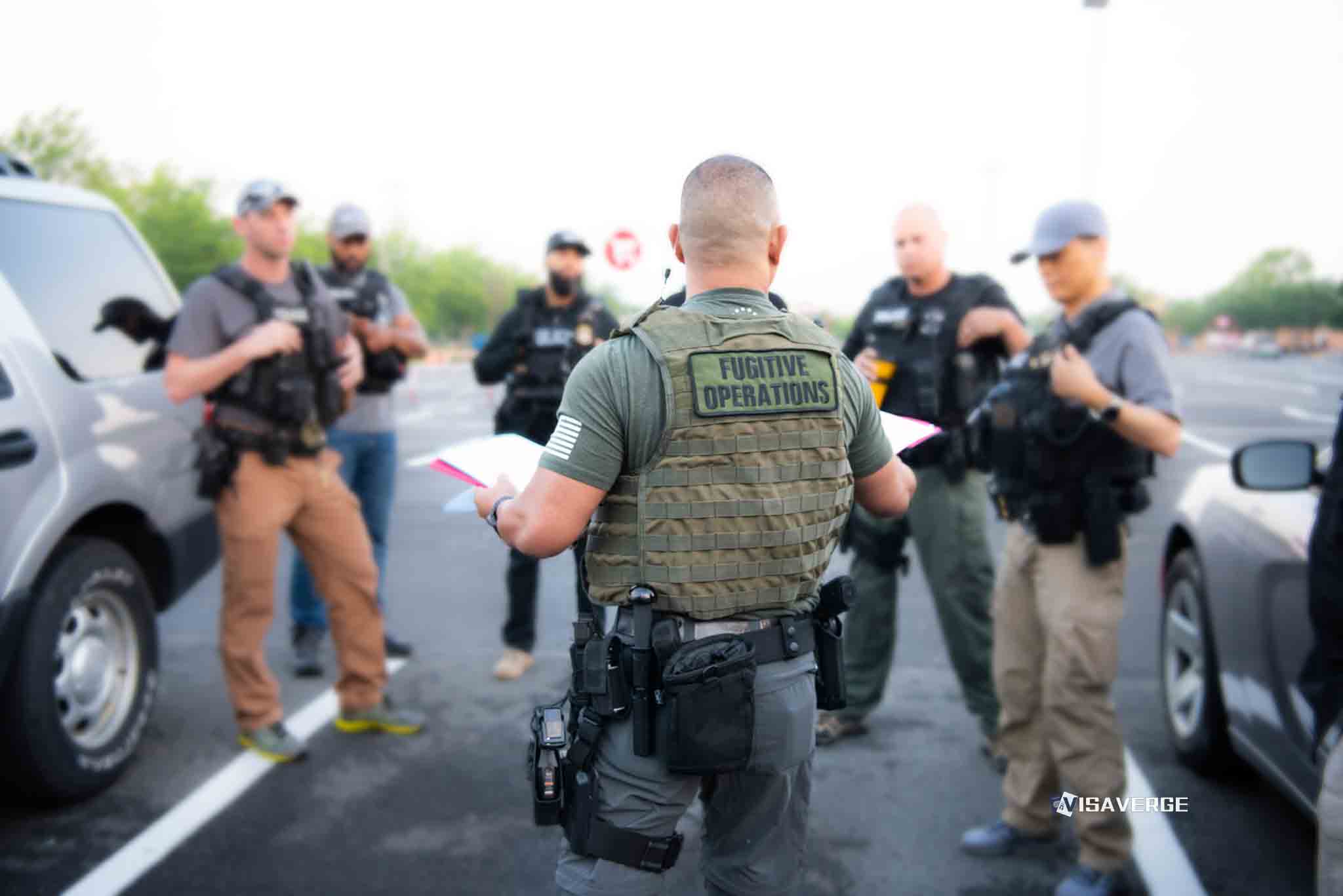
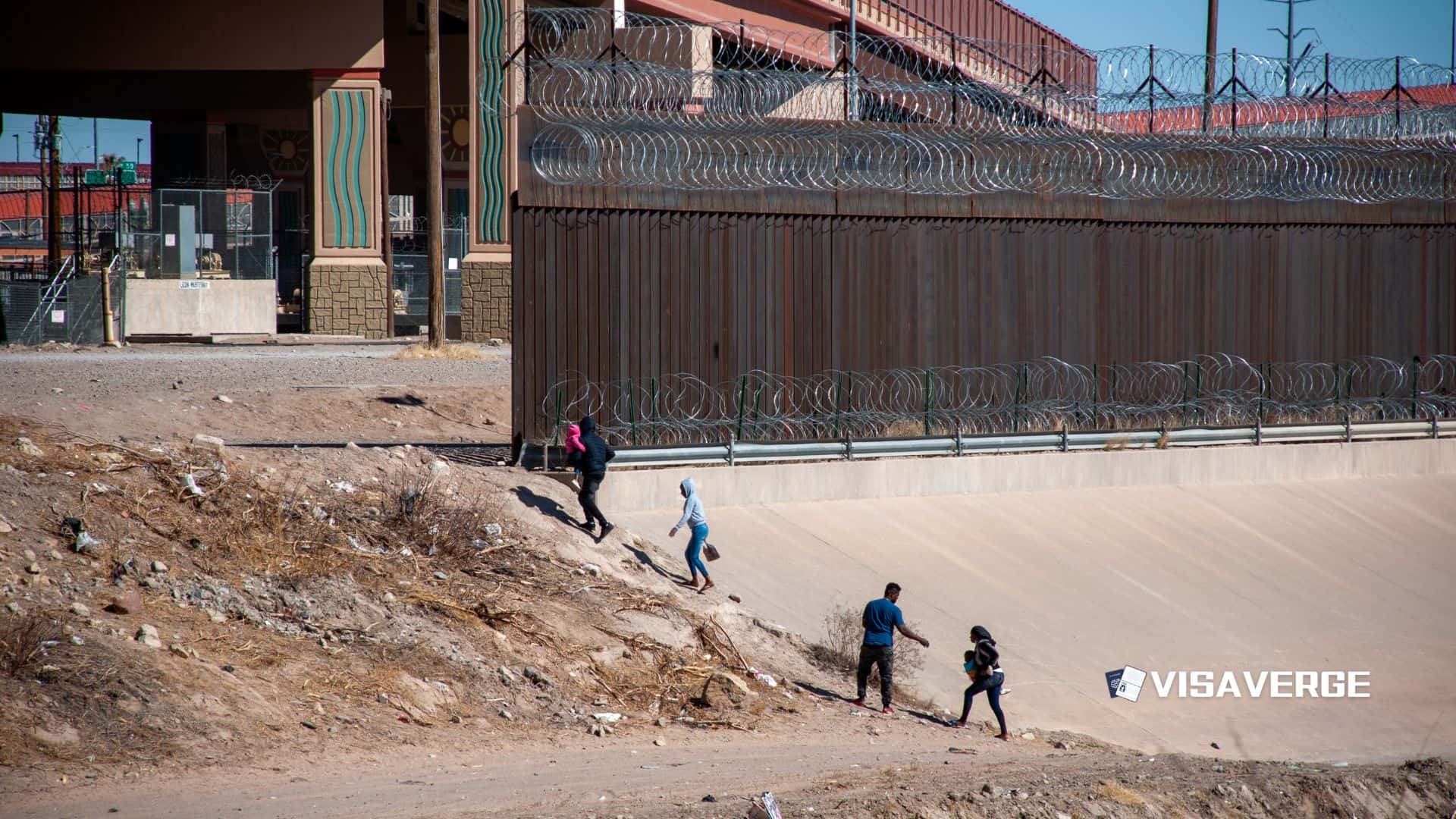
Spanish military and police units moved into the area, including an additional 60 specialized troops deployed by the Ministry of the Interior. Officials also reported people swimming, climbing the Tarajal breakwater and following the coastline toward the enclave.
Juan Jesús Vivas, president of Ceuta, said the influx had become a humanitarian emergency after an earlier wave of about 1,500 arrivals grew rapidly.
“The situation that Ceuta is going through is absolutely unsustainable. We are facing a situation of absolute humanitarian and social emergency.”
The authorities have not presented one consistent public casualty figure. One account reported 18 bodies recovered from the water, while another cited 19 deaths. Separate accounts put the toll at 34 and 57.
The arrival count also varies. Officials cited nearly 50,000 people in 24 hours, while other accounts estimated approximately 60,000, equivalent to roughly 70% of the city’s total population.
Reception centers filled as young people moved through the streets
Reports described quiet streets becoming open-air sleeping areas. Barefoot young people moved through the city, and crowded beaches became places to rest and cool off.
Some groups reached the territory by sea. Others climbed the breakwater or moved along the coast after crossing from Morocco.
Rachid Sbihi, a local Civil Guard officers’ association representative, described the breakdown at the frontier.
“The situation is absolute chaos. It’s not possible to give precise numbers, but there are thousands of migrants crossing. the border had totally collapsed.”
The Interior Ministry linked the surge to trafficking networks that officials said were exploiting a recent Supreme Court ruling. The ruling affected how migrants intercepted at sea could be returned.
Prime Minister Pedro Sánchez condemned what he called “human trafficking mafias that deceive many young people.” He also said the legislature was “finalizing a system to facilitate the repatriation of migrants who entered our country irregularly.”
More than 25,000 people had reportedly been sent back to Morocco by Friday afternoon. Officials were still trying to speed the process.
Madrid blamed trafficking networks as political pressure grew
The government’s explanation has drawn opposition criticism. Santiago Abascal, leader of Vox, accused Sánchez of provoking an invasion through his mass regularization policy.
“Pedro Sánchez, with his mass regularization, has provoked an invasion of our border, which is being experienced first and foremost by the Spaniards of Ceuta.”
European Commission President Ursula von der Leyen called the images from the border “unacceptable” and emphasized European Union support for Spain’s border integrity.
Ceuta’s local administration has faced the immediate burden. Vivas said the territory could not sustain the number of people arriving, as facilities filled and thousands remained outdoors.
The crisis has revived memories of May 2021, when about 8,000 migrants entered after Morocco relaxed border controls. That confrontation followed Spain’s decision to provide medical care to Brahim Ghali, leader of the Polisario Front.
An account from that earlier episode described a quieter scene after the first rush. Sam Jones wrote that “The center of Ceuta has regained some calm as the sun sets, with more residents stepping out of their homes after hunkering down for most of the day. You can sense that thousands of Moroccans have left the city, but groups of boys still linger with empty water bottles and darting eyes. Every time a Spanish soldier spots one of them, he shouts in Arabic and points toward the border. The boys, confused and hungry, usually comply.”
That description belongs to the 2021 crisis, not the July 2026 surge. The newer episode has involved a far larger reported movement, a contested death toll and a faster military response.
Returns continued while Spain held the crossings
Spanish forces maintained pressure at the frontier as return operations continued. The government said it wanted repatriations completed as soon as possible, while authorities managed overcrowded facilities and people still moving through public spaces.
The immediate operation now involves three demands at once: controlling the border, locating people who crossed by land or sea, and handling the dead. The deployment of extra troops and police reflects the security response; the overloaded shelters and beaches show the humanitarian strain.
The episode’s final numbers remained unsettled on Friday. Authorities were still reporting returns, deaths and arrivals on different scales as the border operation continued.