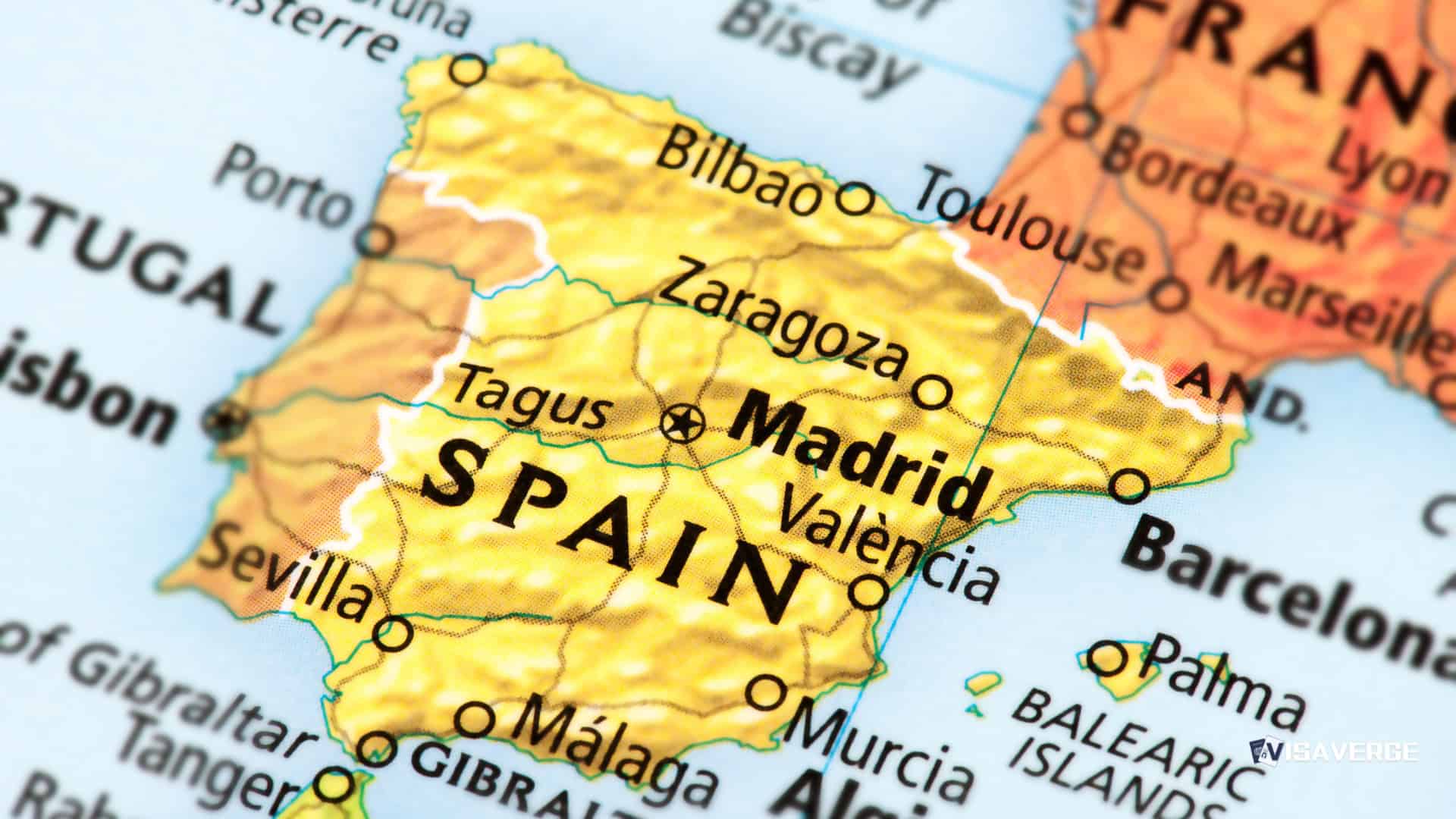
Italy has moved to temporarily restore air and sea border controls with Spain for August, with Interior Minister Matteo Piantedosi saying the checks will remain in place for the month. The change follows the ongoing Ceuta migration crisis, where the reported death toll has risen to at least 57.
- The controls apply to air and sea borders with Spain and are being described as a temporary reinstatement under Schengen rules, not a permanent shutdown.
- Matteo Piantedosi said the border controls would remain in place for August.
- Reporting on the Ceuta crossing incident now places the death toll at at least 57, including drownings and stampede-related fatalities near Tarajal Beach.
- Spain and Morocco have stepped up coordination to speed returns, and Spanish authorities said many migrants had already returned to Morocco.
- Italy threatens to suspend Spain from Schengen following an unprecedented migrant surge in Ceuta.
- Over 49,000 migrants overwhelmed the Spanish enclave within a single forty-eight-hour period.
- The diplomatic crisis intensified as Spain summoned Italy’s ambassador over the suspension proposal.
Italy asked the European Union to suspend Madrid from the Schengen Area after an estimated 49,000 to 60,000 migrants entered Ceuta within 24 to 48 hours, overwhelming the Spanish enclave and triggering a diplomatic confrontation.
Free toolSchengen Short-Stay Visa CalculatorThe arrivals began on July 30, 2026. Ceuta has a population of about 84,000. The influx therefore amounted to more than half the city’s population.

At least 18 to 34 people have died, according to the figures cited in reports on the emergency. Many drowned while trying to swim around the Tarajal breakwater or died in stampedes near border fences.
The crisis has filled parks and sidewalks with migrants, including hundreds of unaccompanied minors. Reception centers have reached capacity.
Ceuta is facing a total humanitarian and social emergency.
Prime Minister Giorgia Meloni said July 30 that her government could take exceptional action, including suspending the Schengen arrangement with Madrid. She linked the move to border security and what she called uncontrolled migration.
"We are in the process of bringing together the competent bodies and, once these meetings are over, we are ready to act, including through exceptional measures. such as suspending the Schengen agreement with Spain. Uncontrolled illegal immigration poses a concrete threat to the security of Europe's borders. Italy will not stand by and watch."
Meloni made the statement as officials assembled to consider a response. The proposal would target a fellow European Union member during a fast-moving humanitarian emergency.
Rome blames Spanish policy for the sudden arrivals
Foreign Minister Antonio Tajani backed closing the Schengen zone with Madrid. He said the situation posed a national-security danger and criticized a reported citizenship decision involving more than 500,000 irregular migrants.
"I am in favor of closing the Schengen area with Spain. Irregular and uncontrolled immigration poses a danger to national security. The images coming from Ceuta show how the Madrid Government's decision to grant Spanish, and therefore European, citizenship to over 500,000 irregular immigrants is profoundly wrong and encourages human trafficking."
Tajani attributed the surge partly to that policy. His statement also framed the dispute as a challenge extending beyond the enclave’s fences.
The immediate trigger was a recent ruling by the Spanish Supreme Court. The decision found that "summary returns", meaning immediate pushbacks at the border, could not apply to migrants intercepted at sea.
Authorities must instead use ordinary immigration procedures in those cases. The ruling has been cited as a reason the border became more permeable during the latest influx.
Spain deployed the Armed Forces to support the Civil Guard in Ceuta. Their mission was to help restore order and maintain border security as reception facilities struggled to absorb new arrivals.
| Measure | Reported figure or action |
|---|---|
| Estimated arrivals | 49,000 to 60,000 migrants |
| Arrival period | 24 to 48 hours starting July 30, 2026 |
| Ceuta population | About 84,000 people |
| Reported deaths | At least 18 to 34 |
| Military response | Armed Forces deployed to support the Civil Guard |
Madrid summons the Italian ambassador after rejecting the proposal
Foreign Minister José Manuel Albares rejected the call as "partisan demagoguery" and "unbecoming of a partner and friendly country." The Spanish government then summoned the Italian ambassador in Madrid to protest.
The dispute has also strained relations with Morocco. The enclave sits on Africa’s northern coast, and the crisis has revived tensions over border permeability between Madrid and Rabat.
Finland and Austria have expressed support for the Italian position. France has reinforced its own border with Spain.
The reactions show how quickly the emergency has moved beyond Ceuta. A local arrival crisis now tests cooperation among European governments that share a passport-free travel system.
The humanitarian emergency is unfolding alongside the security response
Migrants have been left sleeping outdoors as reception centers overflow. Children traveling without an accompanying adult are among those affected.
Deaths occurred during both sea crossings and attempts to cross physical barriers. The reported range of 18 to 34 fatalities reflects the early and changing picture of the emergency.
The Spanish Ministry of the Interior publishes border-status information through its official website. European records on temporary border controls are maintained through the European Commission’s Schengen border-control page.
The White House also entered the dispute July 31. Deputy Press Secretary Anna Kelly criticized European migration policies in a statement issued in response to the events.
"President Trump has long warned Europe what would happen if they continue to implement far-left, globalist policies, including enabling mass migration. Spain and other countries who have adopted this destructive philosophy should immediately reverse course or risk their own demise."
The statement added pressure from outside the European Union, while the immediate conflict remained between the two governments and their border authorities.
The Schengen request now sits beside an unresolved border emergency
The influx has produced two parallel responses: military support for the Civil Guard inside Ceuta and diplomatic action over whether the passport-free arrangement should continue with Madrid.
The next phase will depend on how authorities process people intercepted at sea, manage the unaccompanied minors and address the deaths reported around the breakwater and border fences. The suspension proposal has already prompted an ambassadorial protest and support from other European governments.
This article provides general information and is not legal advice. Consult a qualified immigration attorney about your specific case.