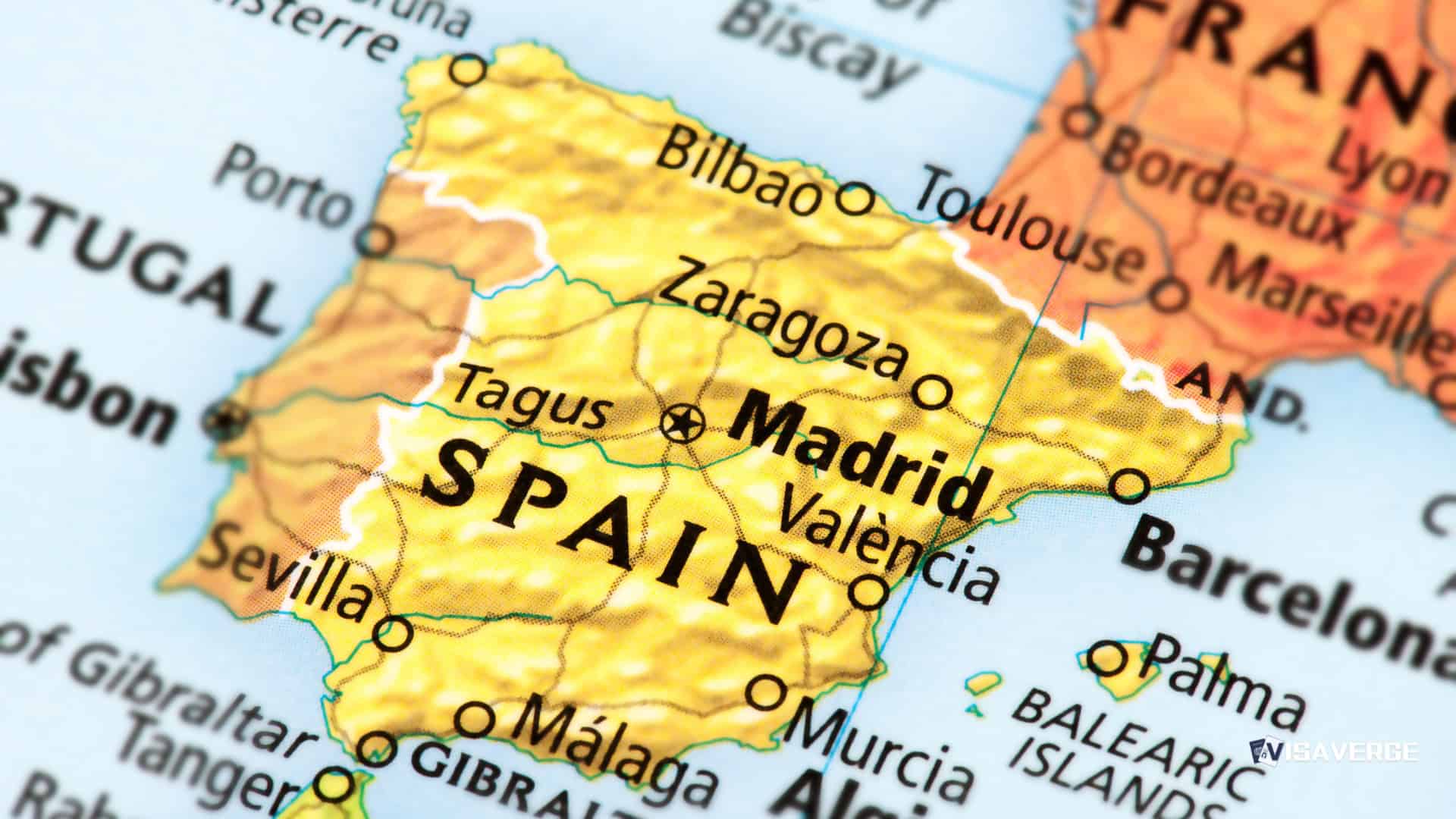
- Italy suspended Schengen free movement with Spain after a death toll of 57 in the Ceuta migrant disaster.
- About 50,000 to 60,000 migrants crossed from Morocco between July thirtieth and July thirty-first.
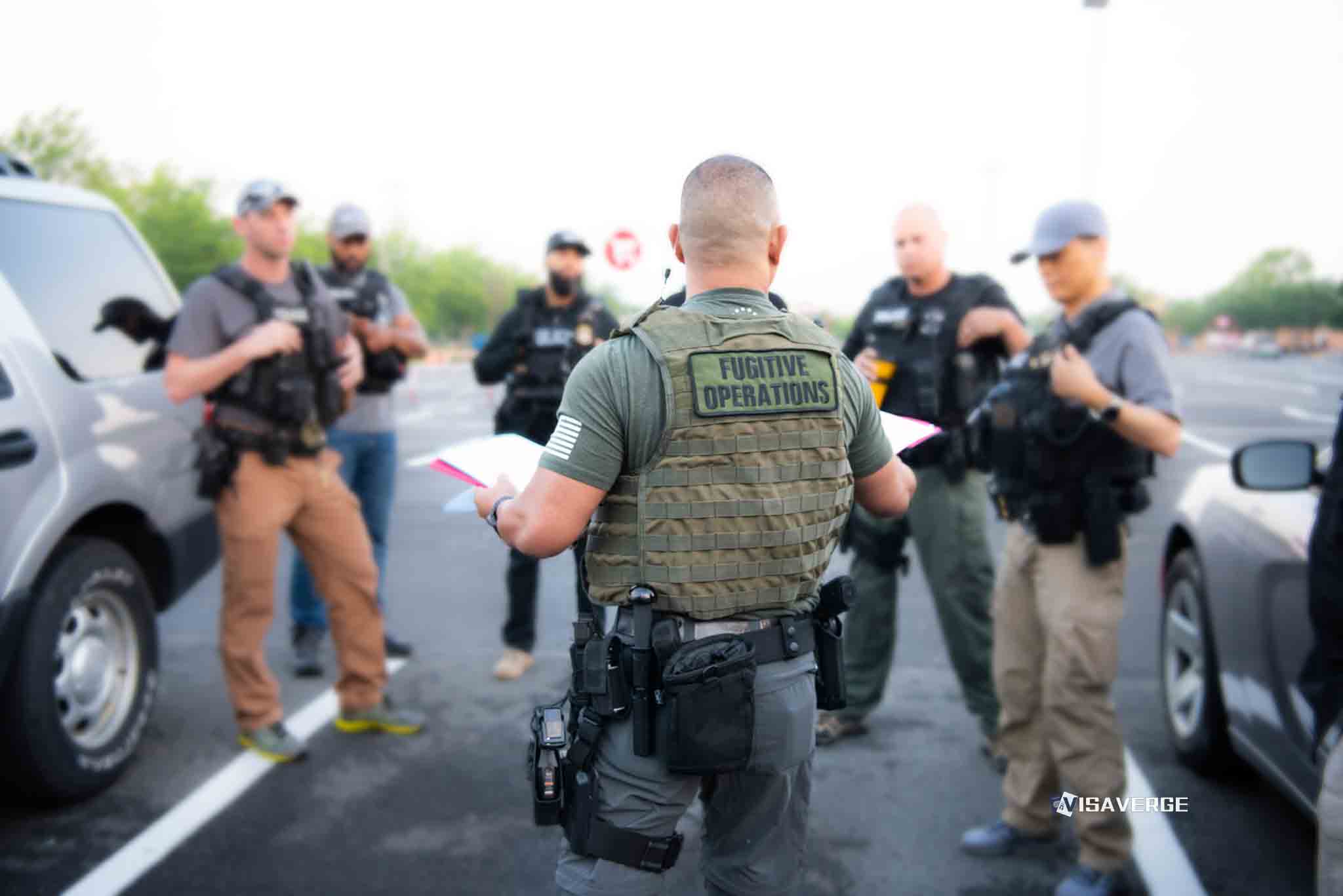
- Italy restored identity checks on Spanish arrivals, while France tripled border staff and deployed drones.
Italy suspended the Schengen free-movement agreement with Spain on July 31 after a migrant disaster at the Spanish enclave left a death toll of 57. The move followed the crossing of approximately 50,000 to 60,000 migrants from Morocco between July 30 and July 31.
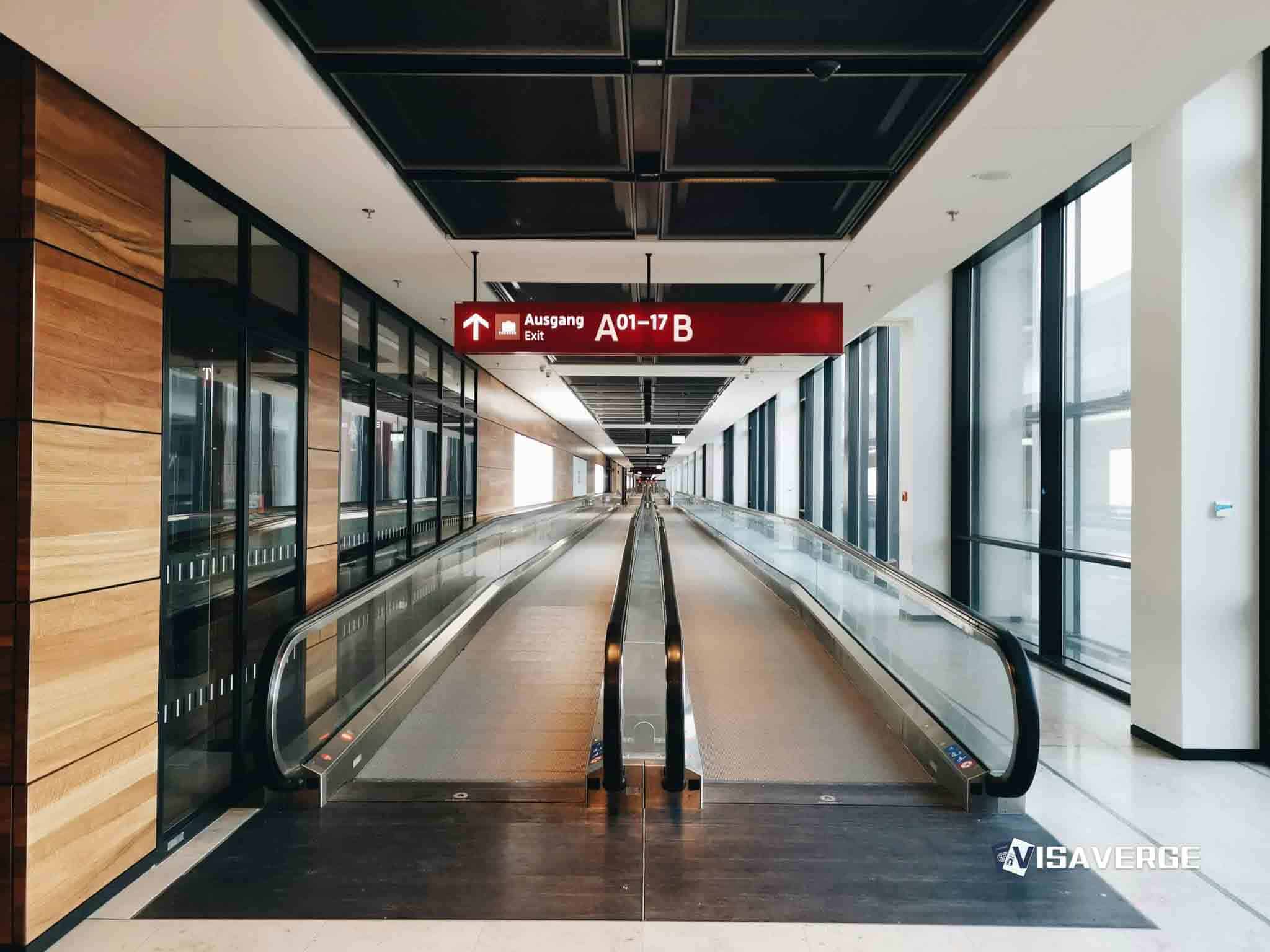
The suspension restores border controls for travelers arriving from Spain at all Italian air and sea ports. Passengers now face identity and document checks on routes that normally operate without routine internal Schengen inspections.
Free toolSchengen Short-Stay Visa Calculator
Prime Minister Giorgia Meloni called the decision an “extraordinary measure” intended to “safeguard national security and prevent possible repercussions for our nation.” The deaths occurred primarily through drowning or crushing at Tarajal beach and along nearby border breakwaters.
The action has widened the emergency beyond the enclave. Spain summoned Italy’s ambassador after Rome called for Spain to be expelled from the Schengen zone, while France tripled personnel along its border with Spain.
Italy brings document checks to Spanish arrival routes
The Italian controls cover air and sea arrivals from Spain. Travelers must present identity and travel documents at ports and airports, creating the possibility of delays during the peak summer tourist season.
Italy’s decision represents a rare use of internal border controls against another European Union member because of migration entering through an external frontier. The measure applies to routes from Spain, including journeys unrelated to the crossing from Morocco.
France has deployed a Rapid Intervention Border Force and drone surveillance at its Spanish frontier. The additional personnel are intended to prevent the movement from spreading beyond the Spanish border.
Spain’s diplomatic protest reflects a separate dispute over Italy’s calls to remove the country from the Schengen area. The ambassador’s summons adds pressure between Rome and Madrid as both countries manage the travel consequences.
Overwhelmed shelters leave minors sleeping outdoors
Reception facilities in the enclave filled as tens of thousands arrived. Many migrants, including minors, slept in parks and on sidewalks.
Spanish officials reported that roughly 48,300 people had been returned to Morocco by late July 31. The returns came as local authorities sought additional support for the people still in the territory.
The government of Ceuta requested a national-emergency declaration, describing conditions as a “humanitarian and social emergency.” Local resources, officials said, had been exhausted.
The episode has been described as one of the largest irregular migration events in European history. Its reported scale surpasses that of the 2015 migrant crisis.
Washington accuses Madrid of enabling the crossing
The U.S. State Department blamed the Spanish government in a July 31 statement, describing the episode as an “egregious violation” of sovereignty and human rights.
“The United States stands with the people of Spain, and all Europeans, against this egregious violation of their sovereignty and human rights. This unacceptable incident is the direct result of the Spanish Government's deliberate efforts to enable and facilitate mass illegal migration into Europe.”
The department’s statement framed the crossing as the result of deliberate Spanish policy. White House spokesperson Ana Kelly issued a separate warning to Madrid and invoked President Trump’s longstanding criticism of European migration policies.
“President Trump has long been warning Europe of the consequences of continuing to implement far-left globalist policies, such as facilitating mass migration. Spain and other countries that have adopted this destructive philosophy should rectify their course immediately or risk their own demise.”
A Department of Homeland Security spokesperson also linked the crisis to Spain’s border leadership.
“If Spain had their own President Trump, this wouldn't be an issue. Citizens of Spain should take that into consideration.”
President Trump addressed the situation during a Cabinet meeting at Camp David on July 31. He called the crossing an “invasion” and used it as a warning for U.S. voters ahead of the midterm elections.
U.S. alert warns of risks in Ceuta and Melilla
The U.S. Embassy in Madrid issued a security alert for American citizens in the region. The notice covered arrivals from Morocco into the Spanish territories during the preceding 24 hours.
“The arrival of thousands of migrants from Morocco to Ceuta and hundreds to Melilla in the past 24 hours may lead to unpredictable and dangerous situations.”
The alert did not announce a broader U.S. travel restriction. It warned Americans about conditions created by the arrivals and the resulting pressure on local authorities.
Italian controls now add travel inspections to the humanitarian response, alongside Moroccan returns, French border deployments and diplomatic protests. Passengers traveling from Spain to Italy should expect document checks at ports and airports while the suspension remains in place.
This article provides general information and is not legal advice. Consult a qualified immigration attorney about your specific case.