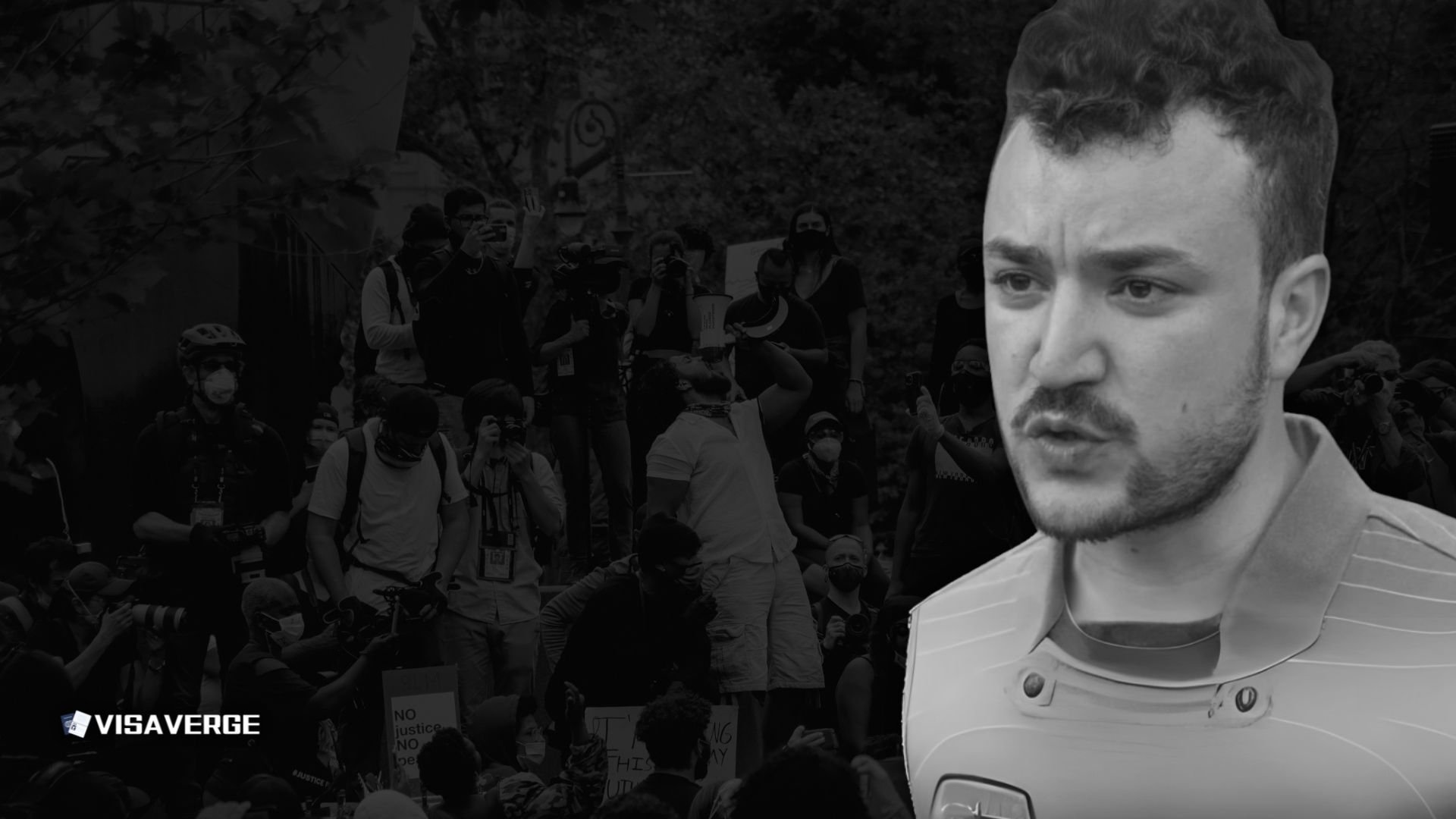
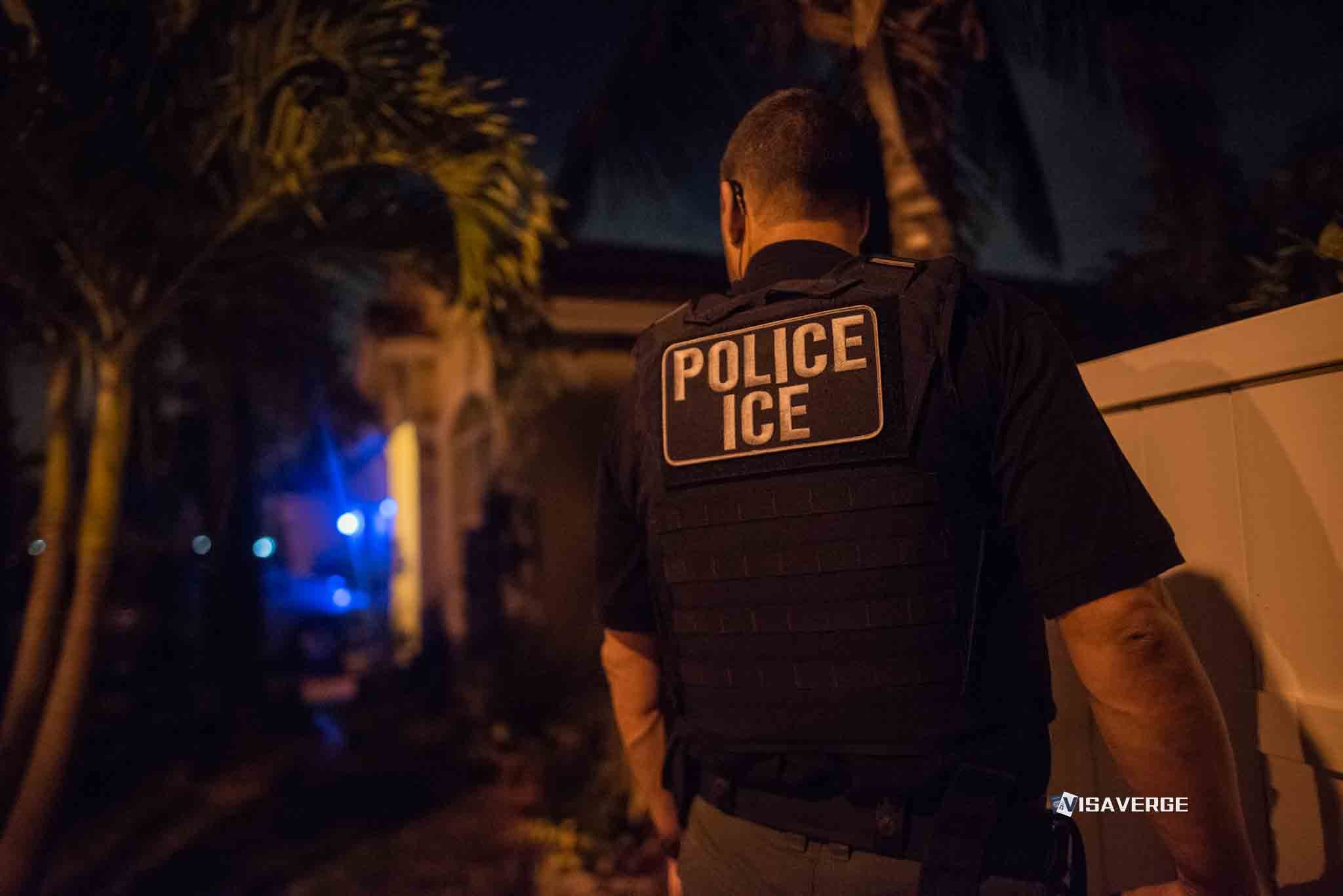
The Justice Department said Wednesday, October 28, that FBI and ICE personnel will not monitor polling places during the November 3 midterm elections. The announcement came in a declaration filed in federal court.
Background: Civil Rights Groups Sue to Block ICE Agents at Polls in November Midterm Elections
Eric Neff, acting chief of the department’s Voting Section, submitted the declaration in the U.S. District Court for the District of Columbia. The filing is dated October 28, 2026.
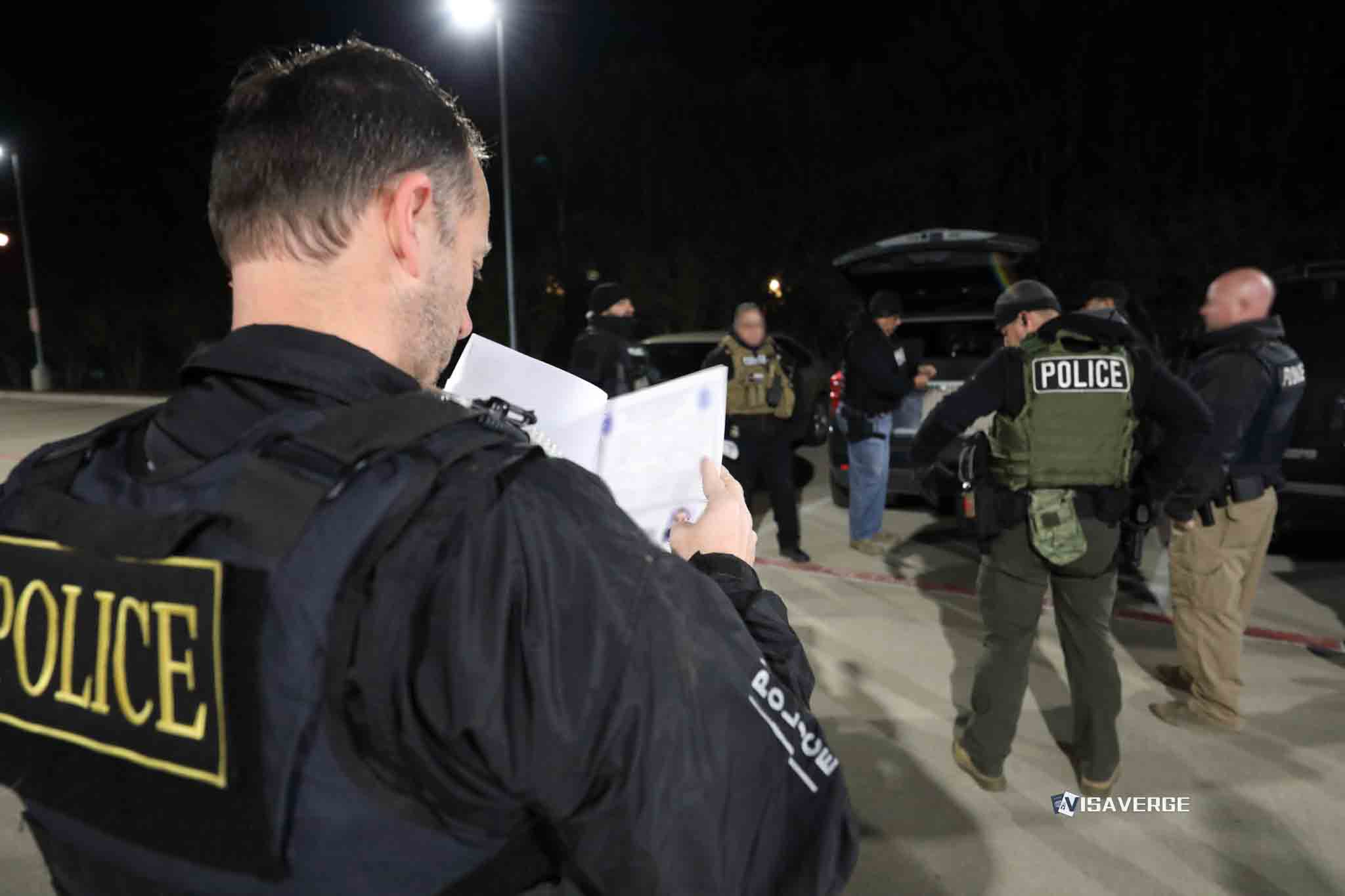
Neff said the division “is not engaging any sworn law enforcement personnel who are legally authorized to effectuate an arrest to act as monitors in a 'law enforcement agent' capacity.” He also said its monitoring would follow the approach used in past election cycles.
Other federal agencies will send monitors. The Federal Bureau of Prisons, the Bureau of Alcohol, Tobacco, Firearms and Explosives, and the Drug Enforcement Administration are among them. One Customs and Border Protection employee will be detailed to the department; the agency said it knew of no other Department of Homeland Security employees participating.
Monitors cannot act as officers or carry firearms
The declaration says poll monitors will not serve in a law enforcement role while observing elections. They cannot carry firearms.
Their training covers noninterference in voting and compliance with state and local rules, consistent with past practice. Their work is to observe, take notes and interview voters who agree to speak outside polling places.
Neff described the division’s work as being conducted “in a similar manner and for similar purposes as in past election cycles going back decades.” The filing did not identify the polling sites where monitors will be assigned.
The NAACP case also seeks the locations and records
The declaration responds to a lawsuit brought by the NAACP, which seeks to bar prosecutors and other law enforcement personnel from acting as election monitors. The group argues that the administration’s plans could intimidate voters.
The case, Nat'l Ass'n for the Advancement of Colored People v. Dhillon, is pending in the U.S. District Court for the District of Columbia, No. 1:26-cv-03461. The NAACP is represented by its in-house counsel. A coalition of civil rights groups led by the organization sued in September 2026, citing concerns about federal officers at polling places.
The groups said the prospect of deployment could deter Black, Latino and Asian voters, naturalized citizens and people in mixed-status families. The president had declined to rule out sending immigration officers or National Guard personnel to polling locations.
Homeland Security Secretary Markwayne Mullin said in September that immigration officers would not patrol or monitor polling stations. He said they could be present “if there is a threat to that polling place or we're serving a warrant on someone that we have been actively tracking down.” The department had said earlier in 2026 that officers would not be at polling sites during the elections.
Denver filed a separate lawsuit after Mullin’s remarks. The city argued that ordering federal officers to make detentions or serve warrants at voting sites would violate the “troops at polls” law. That law bars federal officers from being present at “any place where a general or special election is held, unless such force be necessary to repel armed enemies of the United States,” and provides for fines and possible jail time.
The NAACP also filed a Freedom of Information Act suit earlier in October seeking jurisdictions where monitors would be deployed and other records related to federal law enforcement at polling places. Neff said the department was still identifying the sites. He argued that releasing the list could disrupt its work and put monitors at risk.
The declaration’s author has also drawn scrutiny over his past work. Neff joined the Civil Rights Division as a career trial attorney in 2025 after advancing election conspiracy theories that were later debunked. In November 2022, the Los Angeles County District Attorney’s Office placed him on administrative leave after his indictment of an election software company’s chief executive was abruptly dismissed. The office and a co-founder of an election conspiracy group said Neff relied on a tip from that group to investigate claims that the company stored poll-worker data on Chinese servers.
Election offices are rehearsing for federal interference scenarios
State and local election officials have run exercises on possible immigration raids, misconduct by federal monitors, and attempts to seize votes or voting machines. They are training poll workers on what to do if immigration enforcement officers arrive, reviewing the law that bars federal agents from polling places, and discussing the limits on federal monitors.
Maine Secretary of State Shenna Bellows described the preparations as unprecedented.
“This is the first time ever that we have had to engage in scenario planning to safeguard against potential federal interference in elections,” Bellows said. “It seems like the federal government is now adversarial to the states.”
David Becker, a former Justice Department voting-rights lawyer who leads the Center for Election Innovation and Research, said courts would likely block the most alarming scenarios. He said election officials still valued discussing and preparing for them.
The administration has pressed states for voter-registration data and argued for stricter election measures to bolster public confidence. Courts have blocked most of President Donald Trump’s efforts to expand federal involvement in state and local election administration, while many federal officials have dismissed the prospect of agents or soldiers being sent to polling sites.
The deployment list remains under wraps
The court filing offers a public record of the monitor restrictions and identifies the case as No. 1:26-cv-03461. It does not disclose the locations under consideration. Neff said the department was still determining those sites.
The filing also records the agency’s explanation for withholding the list: public release, Neff said, could undermine monitoring efforts and put monitors at risk. Election Day is November 3.