- A coalition sued the Trump administration in Washington to block armed ICE agents at November midterm polling places.
- The complaint cites a federal ban on troops or armed men at election sites and the Voting Rights Act.
- The new filing expands an earlier Sept. ten lawsuit and comes eight days before early voting starts in some states.
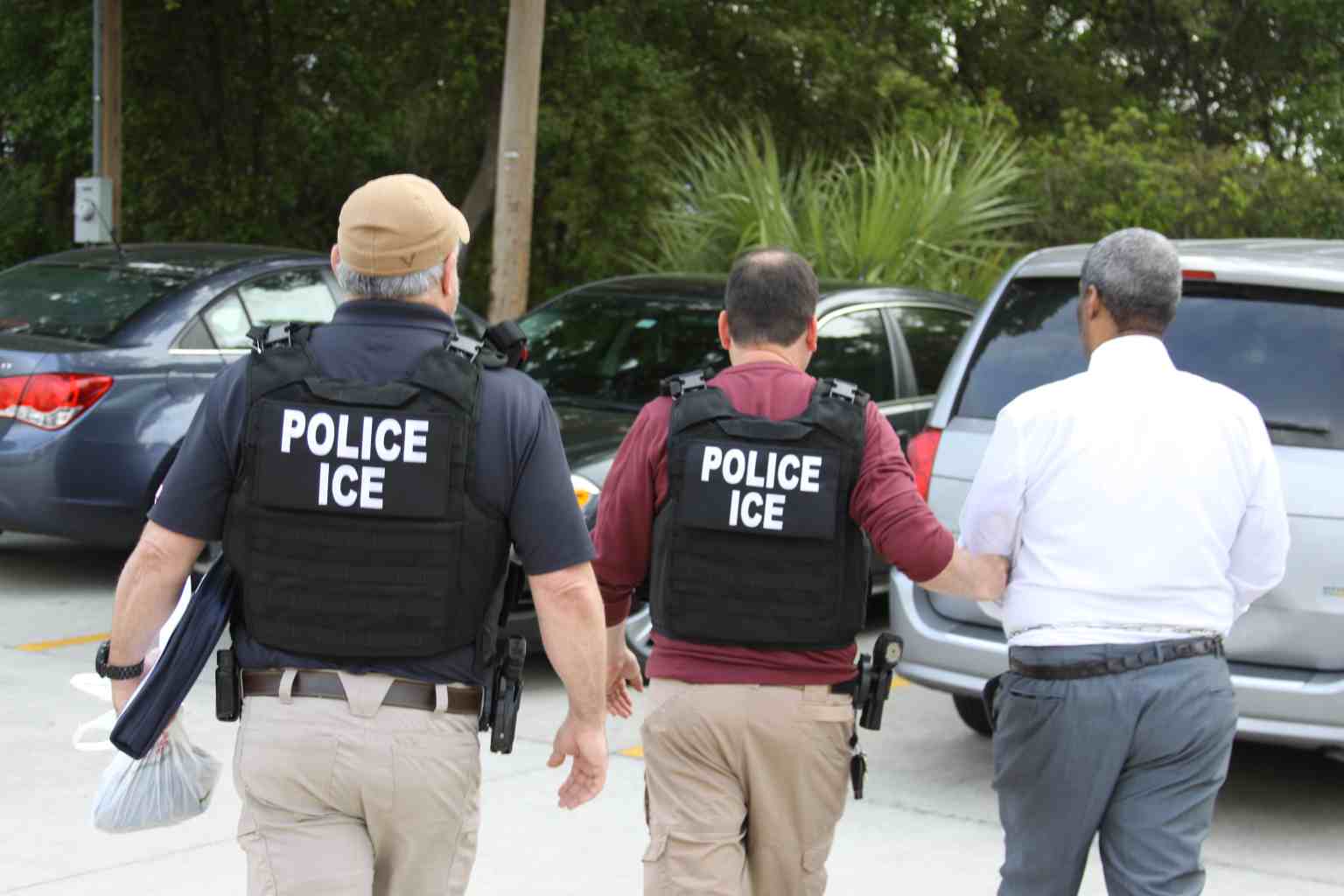
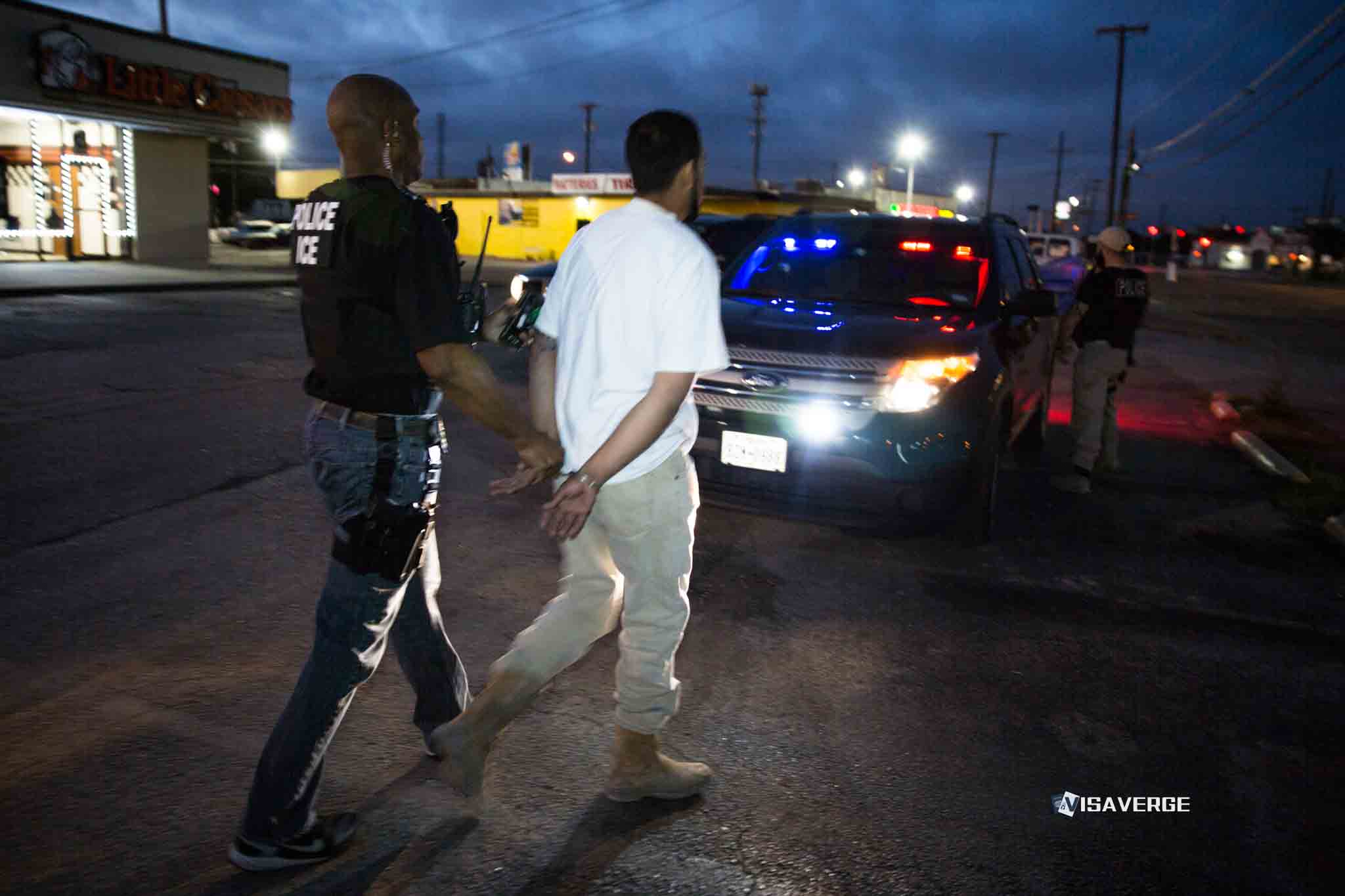
A coalition of civil rights groups and Denver sued the Trump administration on Friday in Washington, asking a federal judge to bar armed ICE agents from polling places during November's midterm elections. The case landed in the U.S. District Court for the District of Columbia. It is the second federal challenge this month.
The complaint rests on an old federal bar on "troops or armed men" at election sites unless "such force be necessary to repel armed enemies of the United States." It also invokes the Voting Rights Act. Kristen Clarke, the NAACP's general counsel, said the plan would turn polling places into "militarized zones" and chill Black, Latino, and Asian voters. She called it a "blatant attempt" to obstruct elections.
The suit follows remarks from Homeland Security Secretary Markwayne Mullin earlier this month. He said officers could be present only if there was a threat to that location or if they were serving a warrant on someone they had been tracking down. "If we're serving a warrant, we will be where we need to be," he said. FBI Director Kash Patel did not rule out sending FBI agents, but said officers would follow the law.
A first lawsuit filed Sept. 10 in the same court named Denver, the League of United Latin American Citizens, UnidosUS and Common Cause, along with the Department of Homeland Security, U.S. Immigration and Customs Enforcement, Mullin and acting ICE Director David Venturella. The new filing widens the coalition. Nine organizations joined, including the Service Employees International Union and the National Urban League.
The plaintiffs say polling places should stay free of armed federal presence. They say voters should not have to weigh a ballot against a confrontation with officers. The Department of Homeland Security and the Department of Justice did not immediately respond Friday.
The filing says armed officers would chill turnout
"We reject this administration’s attempt to desecrate our polling sites by converting them into militarized zones through the unlawful deployment of ICE or any other federal agent."
Clarke said that in describing the lawsuit. Her warning goes beyond one agency.
The filing says voters would be left "in fear that they will be confronted by armed federal law enforcement if they choose to cast a ballot." It also argues that federal force near ballot access would disrupt local election work. Another passage says it would make polling places spaces of confrontation.
Those arguments build on the earlier lawsuit filed Sept. 10. That case came from Denver, LULAC, UnidosUS and Common Cause, and it targeted the department, the agency, Mullin and Venturella in the same federal courthouse. The new case keeps the pressure there.
The calendar now adds urgency of its own. One report said the filing came eight days before in-person early voting begins in some states, such as Minnesota and South Dakota. The clock is already running.