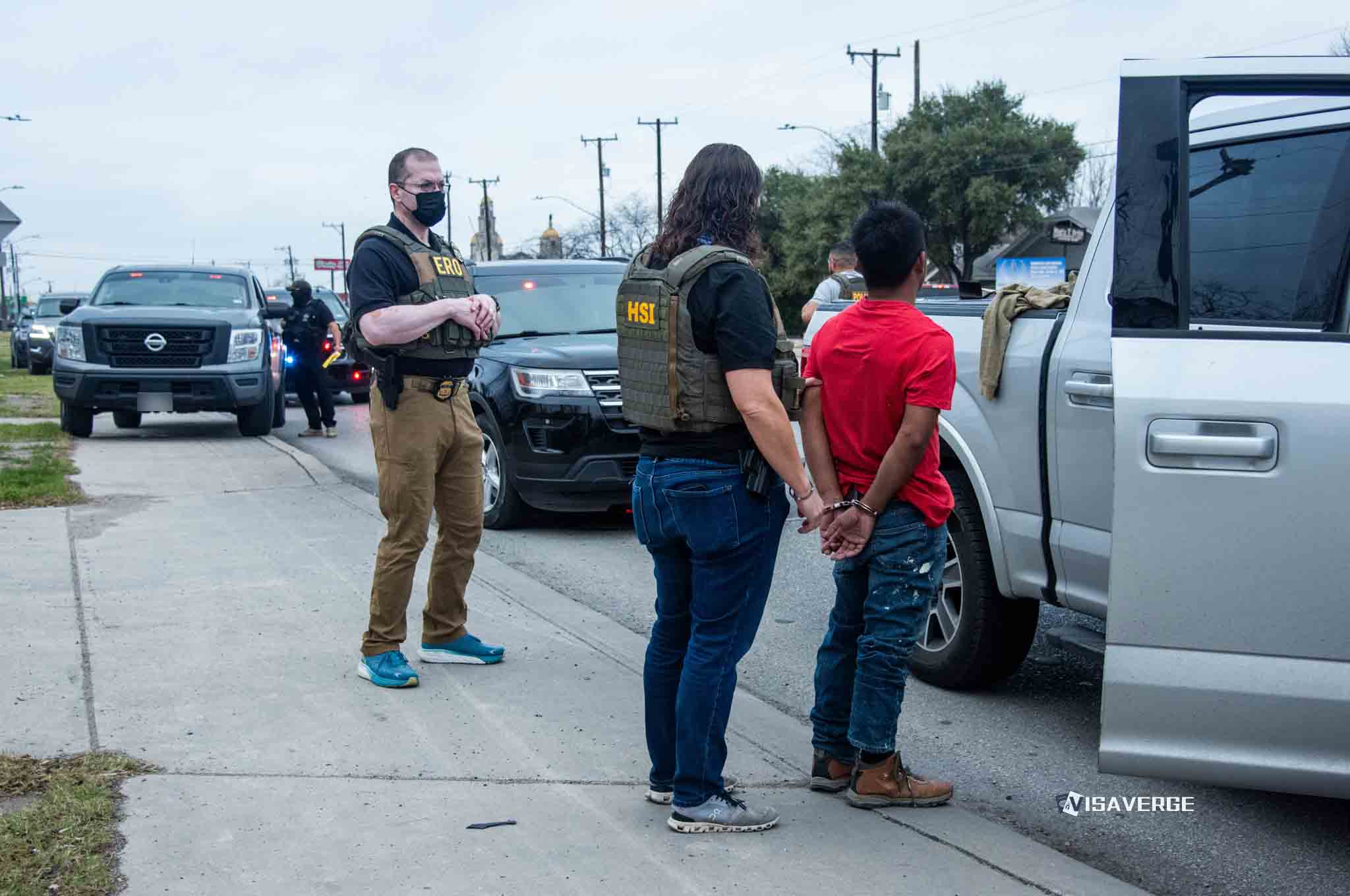
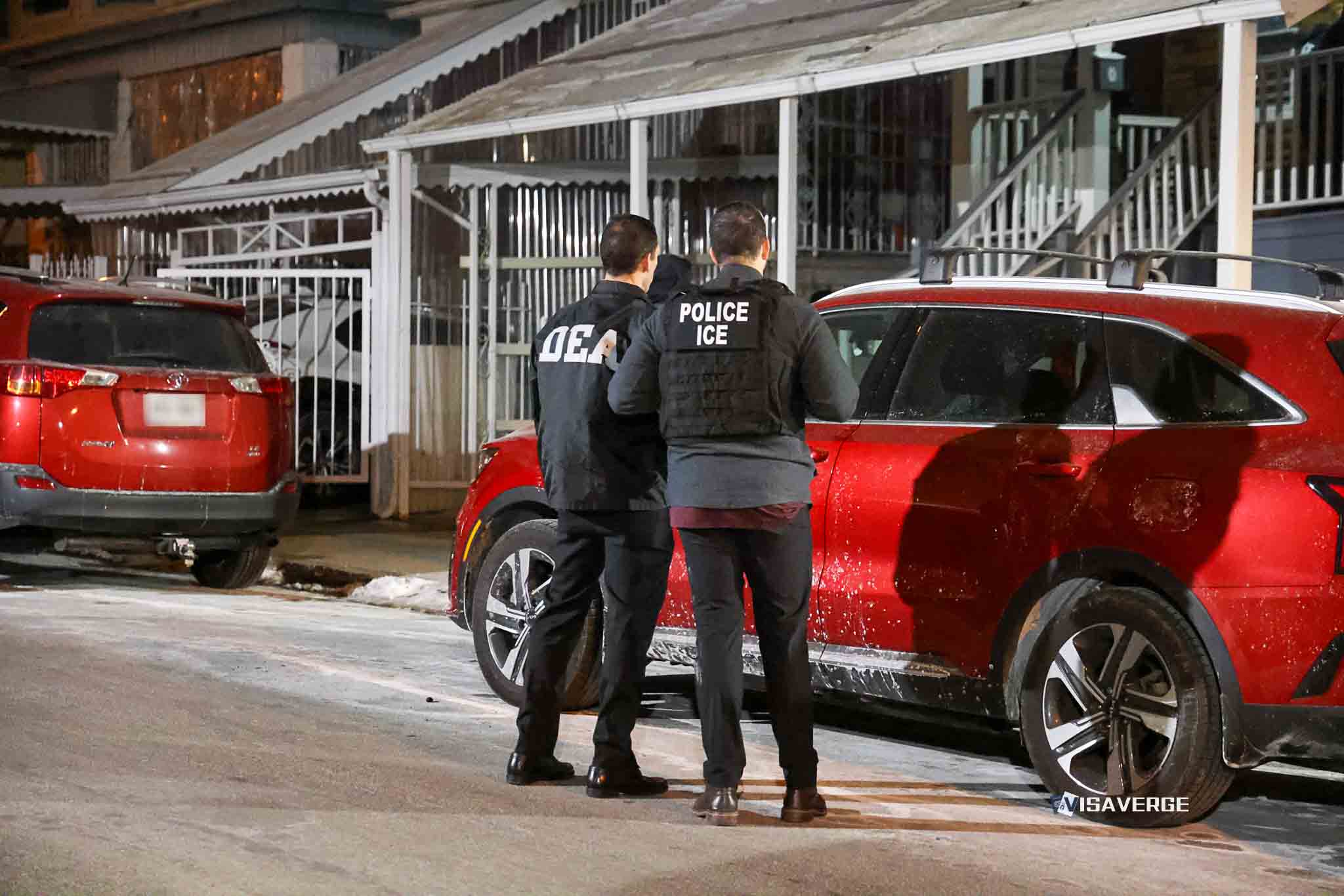
A new coalition of civil rights groups, unions, and local governments filed a lawsuit in the U.S. District Court for the District of Columbia to block ICE from polling places during the 2026 midterm elections. The challenge follows public statements from administration officials this month about immigration enforcement near polls, while the White House and DHS have since said they are not planning polling-place operations targeting voters.
- The lawsuit was filed on September 10, 2026 by the City and County of Denver, LULAC, UnidosUS, Common Cause, and allied groups.
- Plaintiffs say the disputed policy violates federal law barring armed federal personnel at election sites and ask the court for an injunction before early voting expands in some states later this month.
- White House border czar Tom Homan said on September 14, 2026 that there is “no plan” to sweep polling places for undocumented immigrants.
- The complaint cites statements from DHS Secretary Markwayne Mullin on September 1, 2026 that ICE officers could enter polling places to serve warrants or conduct enforcement.
- Denver and allies filed suit on September 10, 2026 to block armed ICE agents from polling places.
- The coalition says armed officers could create voter intimidation and deter eligible voters during the 2026 elections.
- The lawsuit cites 18 U.S.C. § 592 and seeks a court order before early voting begins.
The City and County of Denver, Common Cause, the League of United Latin American Citizens and UnidosUS sued the Trump-Vance administration Thursday to keep armed Immigration and Customs Enforcement agents out of polling places during the 2026 elections. The coalition filed the case in the U.S. District Court for the District of Columbia on September 10, 2026.
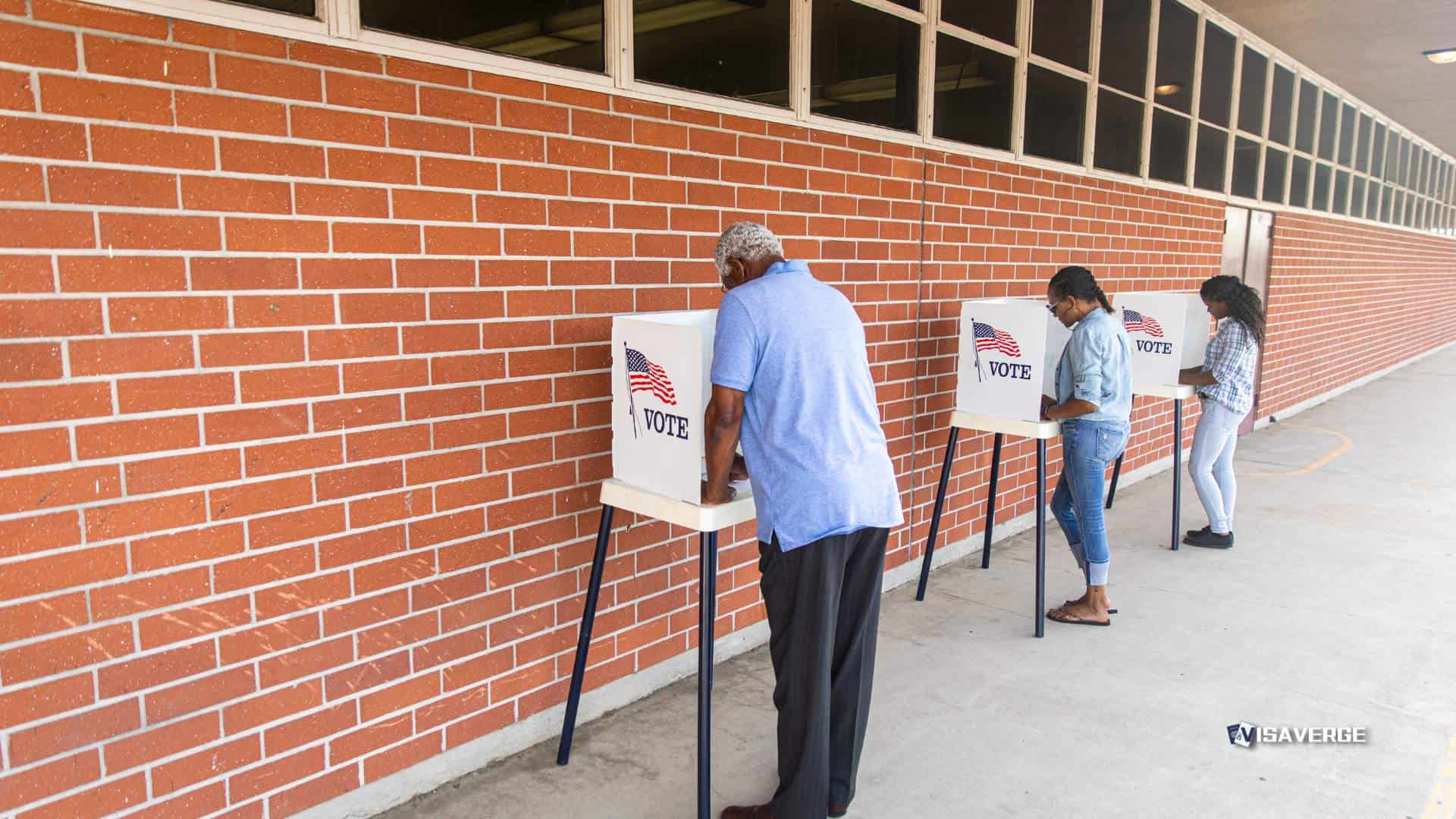
The lawsuit targets a policy that could allow federal immigration officers to enter voting sites for specified enforcement purposes. The plaintiffs say that presence could deter eligible voters from casting ballots. They describe the prospect as voter intimidation.
Homeland Security Secretary Markwayne Mullin has said officers could respond to “specific threats” or serve warrants. He has also said, “ICE isn’t there to patrol the polling places.”
| India | China | ROW | |
|---|---|---|---|
| EB-1 | Feb 01, 2023 | Aug 01, 2023 ▲31d | Current |
| EB-2 | Nov 01, 2013 | Oct 01, 2021 | Apr 01, 2025 ▲90d |
| EB-3 | Jan 22, 2014 ▲21d | Jan 22, 2022 ▲14d | Jun 15, 2024 ▲31d |
| F-1 | Jan 22, 2021 ▲366d | Jan 22, 2021 ▲366d | Jan 22, 2021 ▲366d |
| F-2A | Oct 22, 2026 ▲30d | Oct 22, 2026 ▲30d | Oct 22, 2026 ▲30d |
The Department of Homeland Security said the agency “is not planning operations targeting polling locations.”
“Putting armed officers in polling places is a tactic used by dictators, but we won’t be scared out of exercising our rights.”
Virginia Kase Solomón, president and CEO of Common Cause, made the statement as the coalition announced the case. Janet Murguía, president and CEO of UnidosUS, said armed officers at voting sites would amount to voter suppression rather than immigration enforcement.
The coalition’s legal theory rests on an old federal election law
The complaint invokes 18 U.S.C. § 592, a Civil War-era statute that bars officials from sending “armed men” to polling locations. The law generally permits armed federal personnel at those sites only when necessary to repel armed enemies of the United States, according to the lawsuit’s legal theory.
The plaintiffs argue that visible federal immigration officers would create a “real voting deterrent.” They say voters “may reasonably fear interactions with ICE,” citing their claim that the agency has unlawfully detained more than 170 U.S. citizens since Trump returned to office.
The complaint also says armed officers could make voting sites places of confrontation. That, the plaintiffs argue, would disrupt voting and make it harder for state and local election officials and law enforcement officers to perform their duties.
The case is titled League of United Latin American Citizens v. U.S. Department of Homeland Security, et al. The Department of Homeland Security and the Department of Justice are the defendants.
The lawsuit asks a D.C. judge to limit federal officers at voting sites
The coalition asks the court to declare the policy unlawful and bar federal officers from going to voting sites for purposes other than repelling armed enemies of the United States. The complaint separately alleges that the policy violates the federal prohibition on arbitrary and capricious government action.
The dispute centers on statements Mullin made on September 1, 2026, when he said officers could enter voting sites to serve warrants or conduct other immigration enforcement activity. His stated position allows a federal presence under limited circumstances, while the plaintiffs argue that the policy itself threatens lawful voting.
The filing was brought in the U.S. District Court for the District of Columbia. The named defendants are the Department of Homeland Security and the Department of Justice.
The plaintiffs also argue that the administration’s position creates uncertainty for state and local election officials. They say armed federal personnel could change how voters approach voting sites and how officials manage them.
The coalition’s requested limits reach beyond routine patrols
The requested order would establish a narrower rule for federal officers at voting sites:
| Administration position | Coalition’s objection |
|---|---|
| Officers could respond to a threat at a voting site | Armed officers could deter eligible voters |
| Officers could serve a warrant on someone being actively tracked | A visible federal presence could turn voting sites into spaces of confrontation |
| The department says it is not planning operations targeting voting locations | The plaintiffs seek a court order barring the policy |
Mullin summarized the administration’s position by saying, “The only reason why we would be at polling places, if there is a threat to that polling place or we’re serving a warrant on someone that we have been actively tracking down.”
The coalition says the statute does not permit the administration to authorize armed personnel at voting sites for those purposes. Its filing asks the judge to apply the law before voting begins.
The challenge comes as early voting is soon scheduled to begin in several states. It is the first known lawsuit aimed at stopping federal immigration officers from entering voting locations before the 2026 elections.
The plaintiffs’ filing says the presence of armed officers would “disrupts voting and makes it more difficult for state and local election officials and law enforcement to do their jobs by making polling places spaces of confrontation.”
This article provides general information and is not legal advice. Consult a qualified immigration attorney about your specific case.