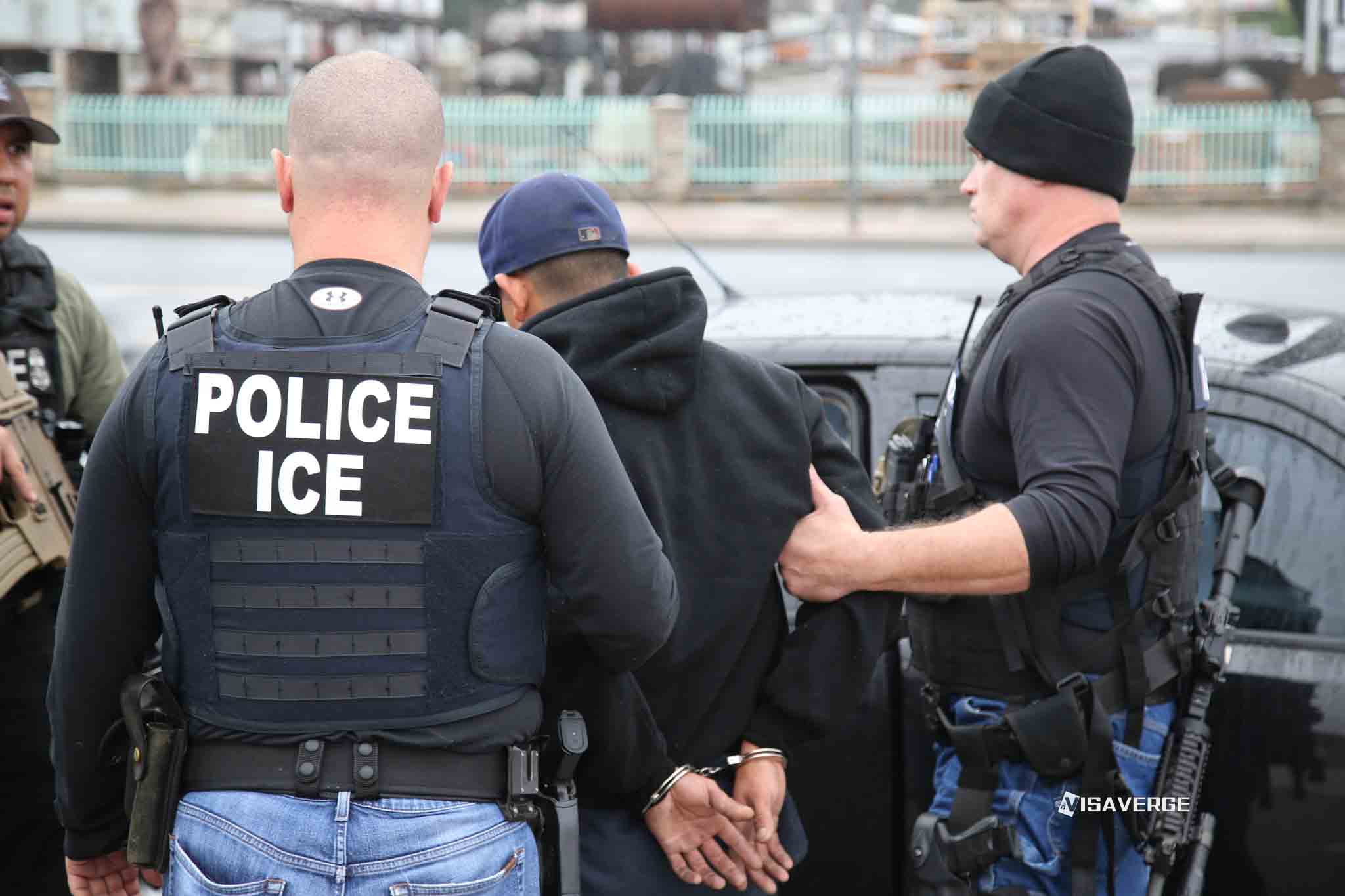
A DHS-linked Border Patrol program is described as examining Americans’ financial activity and other data before sending driver leads to local police for traffic stops. Documents and reporting identify units in Washington and Texas.
The operation is called Predictive Intelligence Targeting Teams, or PITT. One team is tied to the Spokane Sector, which patrols the U.S.-Canada border, while another is identified in the Laredo Sector along the U.S.-Mexico border.
The Washington case centers on Matthew Phelps, a Border Patrol targeting analyst. A DHS document says Phelps found “information contained within law enforcement-sensitive systems suggesting financial activity patterns commonly associated with illicit narcotics activity.”
Phelps passed the information to the Montana Highway Patrol. A trooper stopped Kyle Olson’s vehicle for an obstructed license plate.
The stop produced drugs. Olson was found with marijuana edibles, marijuana cuttings, and butane hash oil, and one account says the Montana driver was later charged with DUI.
A CBP spokesperson defended intelligence-led analysis while describing limits on what the agency would disclose. The spokesperson said:
“U.S. Border Patrol uses intelligence-informed analysis and planning to support national security operations, allocate resources, and help identify potential threats and bad actors to public safety,”
The spokesperson added that the efforts are “conducted consistent with applicable law, policy, privacy protections, and oversight requirements.”
The agency’s public explanation leaves the program’s reach undefined
The teams are described as operating inside Border Patrol’s Targeting and Intelligence structure. CBP has not said how many of the agency’s 20 sectors use them.
The reported mission is broader than a conventional investigation. Analysts review financial records and other information, then send leads to local officers who conduct the traffic stop.
The agency has not publicly identified the financial records involved. It also has not explained whether investigators obtained a warrant before examining Olson’s records.
A separate Texas case illustrates the program’s uncertain results. Alek Schott was stopped and searched in 2022 after an allegation of lane drifting. Officers found no contraband.
A second case ended without contraband
The Schott matter is linked to the unit identified in the Laredo Sector. The stop shows how a federal intelligence lead can precede an ordinary state or local traffic encounter.
The reported purpose is to identify people who may have already committed crimes. The account also says it found no examples demonstrating that the units had identified such crimes before the stops.
That distinction leaves the two publicized cases with different outcomes. Olson’s vehicle contained marijuana products and butane hash oil; Schott’s search produced nothing.
The identified teams sit on opposite borders
| Reported team | Location | Border area | Organizational placement |
|---|---|---|---|
| First team | Washington | U.S.-Canada border | Targeting and Intelligence |
| Second team | Texas | U.S.-Mexico border | Targeting and Intelligence |
The units are described as part of a wider Border Patrol system that combines financial information, vehicle-location records, and other law-enforcement-sensitive databases. The stated objective is to build targeting packages even when a person is not suspected of a specific crime.
The operation has been characterized as predictive policing. Local officers carry out the public-facing stop after Border Patrol analysts have already flagged the driver.
The reported infrastructure may include CMPRS and ALPR-style plate reader networks. Those technical details come from analysis surrounding the accounts, rather than direct agency confirmation.
The hidden federal lead raises questions about how stops are justified
Civil-liberties and legal concerns focus on the Fourth Amendment. The federal basis for a stop may not appear in the official traffic record if officers publicly rely on a minor violation such as an obstructed plate or alleged lane drifting.
That practice can raise concerns about parallel construction. In that scenario, investigators conceal the original intelligence source and present a separate reason for the search or stop.
The legal analysis may depend on the facts of each encounter, including the officer’s stated basis, the timing of the referral, and any later criminal case. A qualified immigration or constitutional-law attorney can assess those records in a specific matter.
CBP has described the work as supporting national security operations, resource allocation, and the identification of potential threats and people who may endanger public safety. The agency also says the activity follows applicable law, policy, privacy protections, and oversight requirements.
Those assurances do not disclose the program’s scale or the categories of financial activity under review. The identified units remain the one in Washington and the one in Texas.
This article provides general information and is not legal advice. Consult a qualified immigration attorney about your specific case.