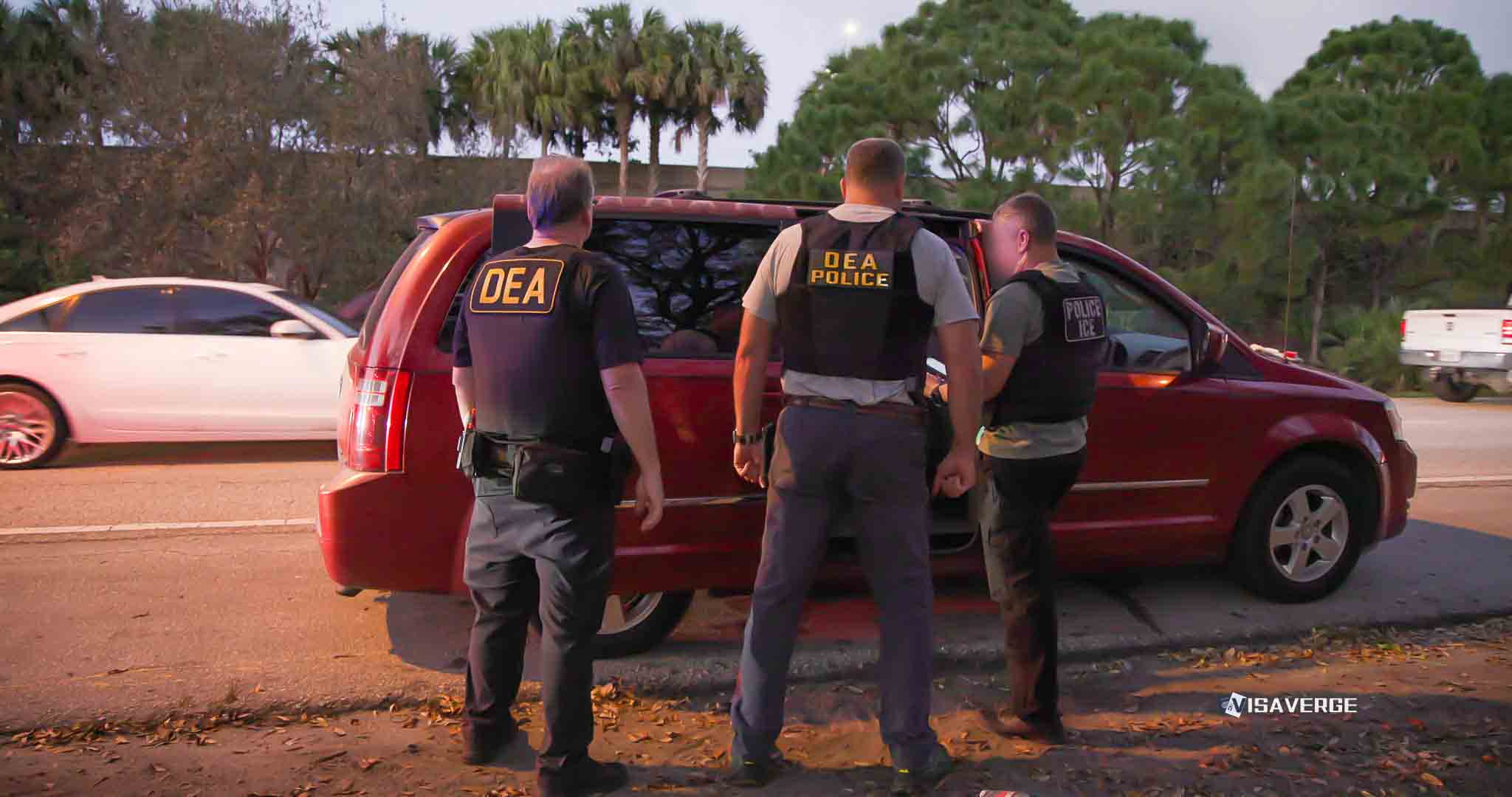
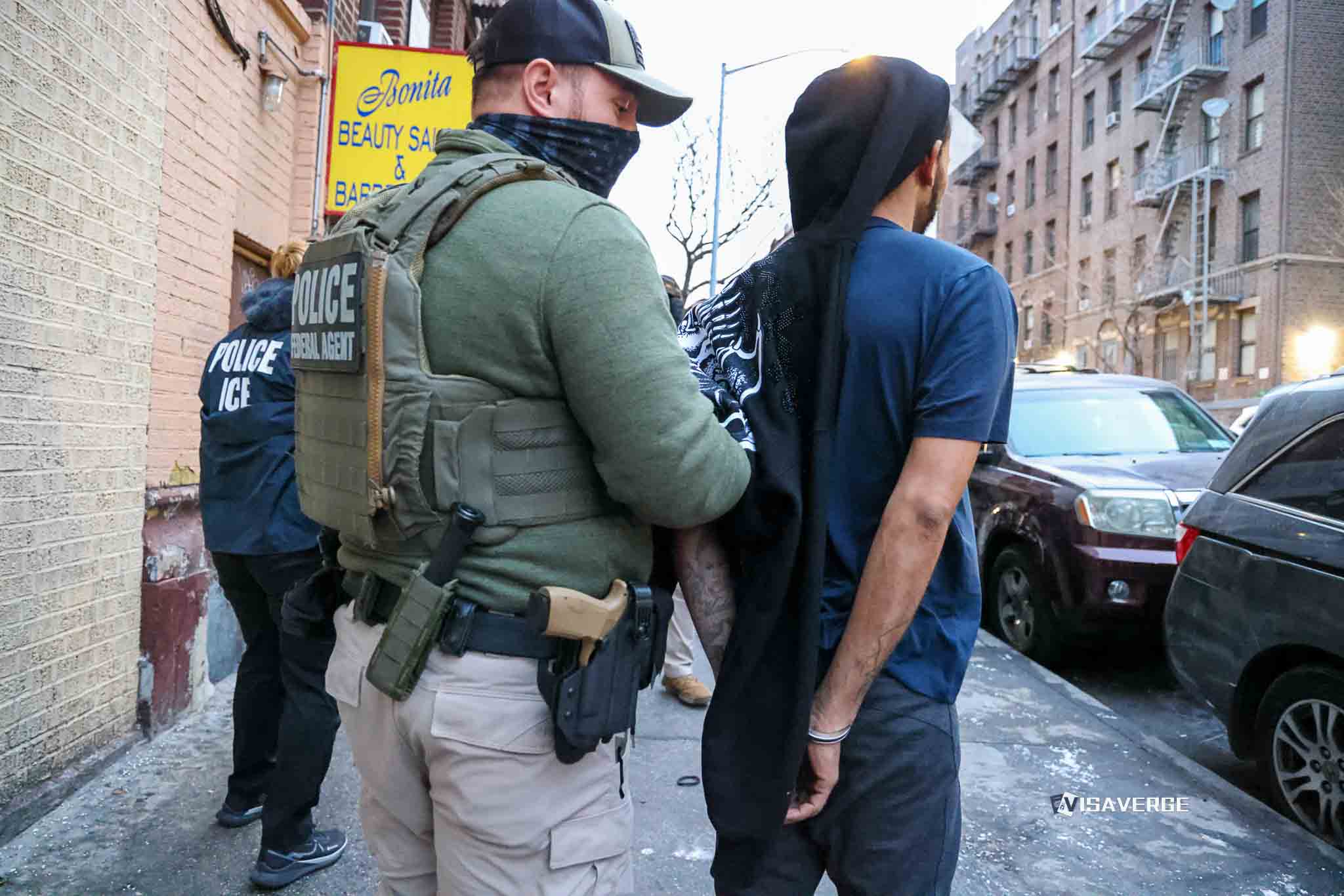
- Homeland Security has expanded the 287(g) program to 2,315 active agreements across forty states.
- Local police are now deputized to enforce immigration laws during routine traffic stops and inspections.
- Federal funding provides twelve billion dollars to reimburse local jurisdictions for assisting with enforcement.
The Department of Homeland Security has expanded the 287(g) program to 2,315 active agreements across 40 states and territories, creating a nationwide immigration-enforcement network through state and local police departments.
The agency reported the total on August 14, 2026. The agreements allow deputized officers to question, detain and process people for immigration purposes during routine police work, including traffic stops and commercial vehicle inspections.
Free toolUSCIS Receipt Number Decoder
The network has grown sharply. It stood at roughly 135 active agreements at the start of 2025, after the Task Force Model returned in early 2025.
The expansion forms part of the administration’s Make America Safe Again initiative. Indiana, Oklahoma and Wyoming have expanded roadside enforcement activities under the broader approach.
| India | China | ROW | |
|---|---|---|---|
| EB-1 | Feb 01, 2023 ▲109d | Jul 01, 2023 | Current |
| EB-2 | Nov 01, 2013 | Oct 01, 2021 ▲30d | Jan 01, 2025 |
| EB-3 | Jan 01, 2014 | Jan 08, 2022 ▲7d | May 15, 2024 ▼109d |
| F-1 | Jan 22, 2020 | Jan 22, 2020 | Jan 22, 2020 |
| F-2A | Sep 22, 2026 ▲31d | Sep 22, 2026 ▲31d | Sep 22, 2026 ▲31d |
DHS Secretary Markwayne Mullin has presented the partnerships as an enforcement tool and a financial offer to local departments. He spoke at the National Sheriff’s Convention in June 2026.
“If you partner with us with the 287(g) program, we can pay some of your deputies' salaries. We can pay for equipment. We can even pay for vehicles, too.”
The program reaches beyond county jails. It places immigration enforcement inside ordinary encounters on roads and highways.
Federal funding is supplying personnel, transportation and local support
The One Big Beautiful Bill Act, signed July 4, 2025, allocated $165 billion to DHS. The law set aside $12 billion for reimbursements to jurisdictions assisting with enforcement.
Another $14.4 billion covers removal transportation. The legislation also provides funding to increase the number of federal agents from 10,000 to 22,000.
That money gives participating jurisdictions access to support for enforcement-related costs. Mullin specifically cited deputies’ salaries, equipment and vehicles when urging sheriffs to join the partnerships.
DHS has described the spending as part of a national public-safety campaign. A department press release on “Gangbusters” operations, issued August 12, 2026, said:
“DHS is delivering on President Trump’s mandate from the American people to deport illegal aliens and make America safe again. Deporting illegal aliens saves lives.”
The department has linked the effort to President Donald J. Trump’s leadership. Mullin made that connection again in an August 14, 2026, statement.
“Every day, the brave men and women of ICE work tirelessly to arrest and remove dangerous illegal aliens from our country. With deportations up, it's no wonder that crime rates have fallen to historic lows across the country. Thanks to the leadership of President Donald J. Trump, we are making America safe again.”
Routine traffic enforcement can now carry immigration consequences
The Task Force Model authorizes participating state and local officers to perform immigration-enforcement functions while handling regular police duties. Those functions include questioning, detaining and processing.
A traffic stop can therefore become an immigration-enforcement encounter. Commercial vehicle inspections can do the same.
Indiana, Oklahoma and Wyoming have specifically expanded roadside enforcement activities. The changes extend the program into transportation corridors rather than limiting its operation to facilities used for immigration detention.
Advocates say the geographic reach is broader still. Once state police exercise federal powers, they argue, the nation’s entire road network becomes part of the deportation apparatus.
The growth also changes the role of local departments. Officers who ordinarily enforce state or local law may perform immigration-related functions during the same encounters.
Nationwide expedited removal adds a faster path to deportation
An appellate court ruling in August 2026 cleared the way for DHS to expand expedited removal nationwide. The process permits fast-track deportations anywhere in the United States for people who cannot prove two years of continuous presence.
That rule places documentation at the center of an encounter. A person who cannot establish the required period may face expedited removal under the expanded authority.
The court ruling and the local partnership expansion operate on separate tracks. The partnerships increase the number of participating officers who can identify and detain people during routine police work, while expedited removal provides a faster removal procedure for some cases.
The combination broadens both reach and speed. Local encounters can occur on roads, and the expanded federal process can apply across the country.
Detention figures include a large group with no criminal record
Internal agency data from late 2025 showed that the largest group of immigrants in detention consisted of people with no criminal record. The group numbered over 16,000.
The figures point to a detention population extending beyond people with criminal convictions. They also differ from enforcement policies that strictly prioritized “the worst of the worst.”
The data describes detention in late 2025, before the partnership total reached 2,315. By August 14, 2026, the agreements covered 40 states and territories.
The numbers show the expansion’s two dimensions. More local departments are connected to federal enforcement, while detention includes a substantial population without criminal records.
Sheriffs are being offered federal resources to participate
The administration’s approach depends on local participation. Mullin told sheriffs that the federal government could help pay deputies’ salaries and provide equipment and vehicles.
The funding law adds a separate reimbursement stream for jurisdictions assisting enforcement. It also finances removal transportation and a planned increase in the federal workforce.
Together, those measures give departments a reason to enter or enlarge agreements. The active total rose from roughly 135 at the beginning of 2025 to 2,315 by August 14, 2026.
The department’s public statements frame the program around deportations and crime. Mullin said crime rates had fallen to historic lows as deportations increased, while DHS said deporting illegal aliens saves lives.
The 287(g) expansion now connects local policing, federal resources and nationwide removal authority. Its next stage will depend on how many departments use those powers during routine duties.
This article provides general information and is not legal advice. Consult a qualified immigration attorney about your specific case.