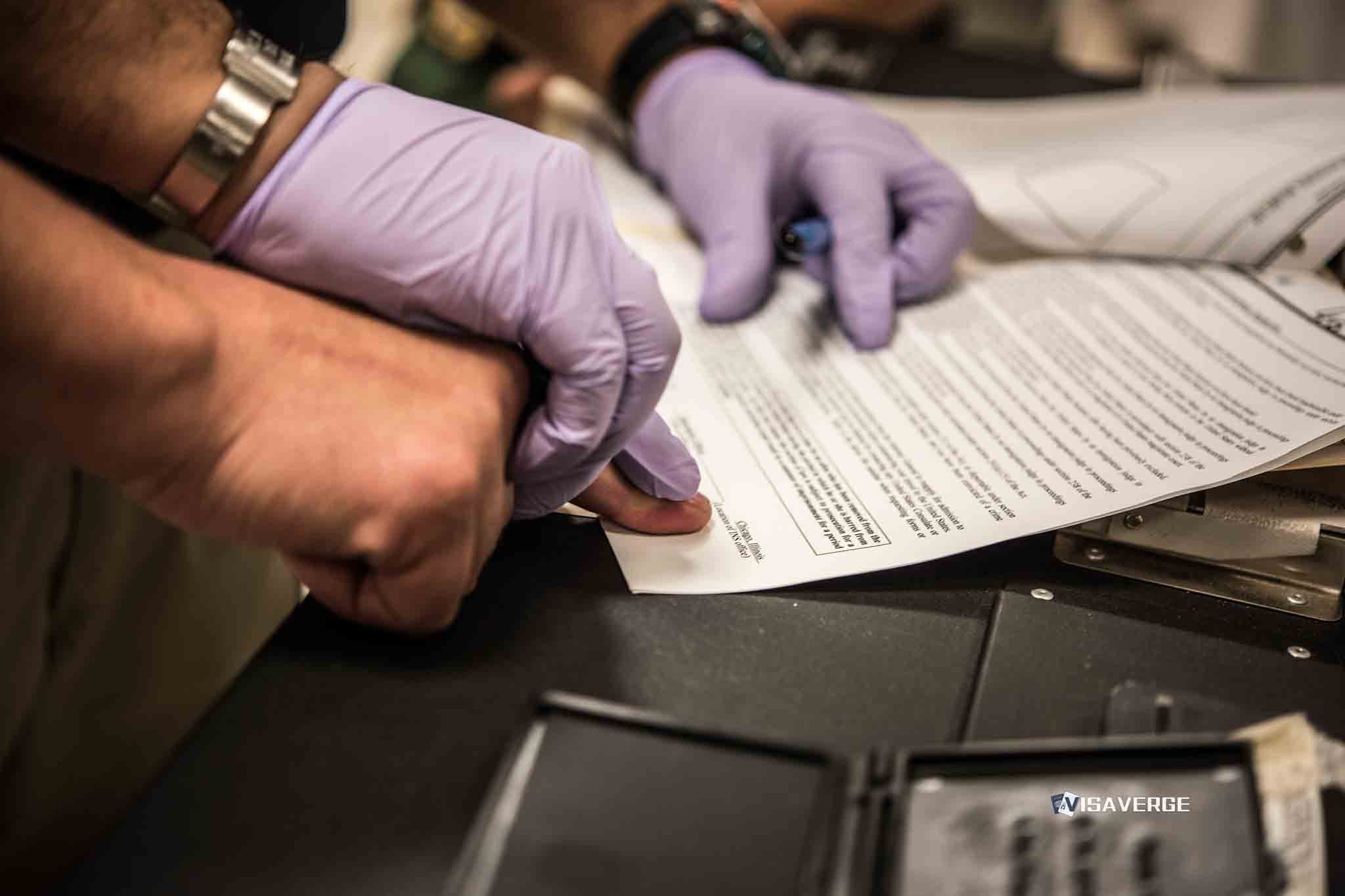
Albany Mayor Signs Executive Order Restricting City Role in ICE Activity
Mayor Dorcey Applyrs’ new policy bars federal immigration operations on city property, sets procedures for city events and preserves existing police identification practices.
At a glance
- At least 15,000 of Albany’s 100,000 residents were born outside the country, the mayor’s office says.
- Albany County’s current resolution is scheduled to expire December 31, 2026.
- The county extension proposal would continue restrictions through January 20, 2029.
Reviewed November 13, 2026
Albany Mayor Dorcey Applyrs signed an Executive Order on November 12, 2026, barring federal immigration enforcement agencies from using city property for staging, processing or detention. The restrictions took effect immediately and also bar the use of city property and resources to assist federal operations.
The directive limits the city’s role in ICE Activity, but it does not change federal enforcement authority. Federal agents may still make arrests on streets, at workplaces or on private property where federal law allows. The measure does not change a resident’s immigration status or erase a removal order.

Applyrs called the policy “long overdue,” saying immigrant organizations and residents had raised concerns about enforcement’s effect on daily life. The mayor’s office says at least 15,000 of Albany’s 100,000-person population were born outside the country.
The order adds documentation and event protocols alongside police practices
The new requirements address how city departments document and respond to federal enforcement activity. Applyrs also said the identification provisions are intended to reduce confusion between city police and federal agents.
- City staff must document federal immigration enforcement activity, a step the order describes as helping preserve evidence.
- The city must follow a response protocol if enforcement activity occurs at city events or public meetings.
- The order puts existing Albany Police Department practices into the policy: officers wear visible badges, use body-worn cameras and identify themselves as department members.
- Albany police will not ask residents about immigration status unless that information is necessary and relevant during a criminal investigation.
Applyrs tied the police provisions to public trust and safety. She said residents have mistaken city officers for ICE agents.
“Related to the identification of officers, trust is essential and crucial to public safety and we have seen instances of the public mistaking our officers for ICE agents.”
The mayor said the policy followed accounts from immigrant advocacy organizations and residents. “Given what we have witnessed across the country, it was necessary to update Albany's policies and strengthen the protections for our immigrant, refugee and New American communities.”
Migdalia Jimenez, regional executive director of Capital District Latinos, described fear among people served by the organization. “We are seeing first hand how the heightened immigration enforcement is affecting families we serve — people are afraid to leave their homes, afraid to attend appointments and sometimes even afraid to come through our doors to access something as essential as food”.
Federal enforcement powers remain outside the city order
The policy controls city property, resources and procedures; it does not direct federal agents’ actions away from other locations. Arrests on streets, at workplaces and on private property remain possible under federal law.
It also makes no change to an individual’s immigration status or legal case. A city policy cannot provide a permit or cancel a removal order, and it does not replace a legal defense.
The Applyrs administration could not recall a previous instance of ICE using city property. The mayor characterized the measure as both reactive and proactive, adopting restrictions even as the administration could not recall such an incident.
County rules left city property outside their reach
The city acted after Albany County adopted a separate restriction in March. That resolution barred ICE and other Department of Homeland Security agencies from using county property as staging areas and barred the sheriff’s office from directly cooperating with ICE or Border Patrol.
The county measure does not cover property owned by Albany or New York state. The city’s policy extends the property restrictions to municipal sites and resources. County lawmakers introduced an extension through January 20, 2029, but the existing county resolution is scheduled to expire December 31, 2026.
Applyrs said community organizations had raised concerns about families avoiding ordinary activities because they feared being targeted. “Our advocacy organizations have told us the horrific, horrific, horrific stories about families who are scared to go out in our communities for fear of being targeted by ICE,” she said.
The order puts documentation and response procedures on city departments, while codifying the police identification practices. Residents and city personnel will see how those requirements are applied at city sites, public meetings and events.
This article provides general information and is not legal advice. Consult a qualified immigration attorney about your specific case.
Keep reading
More in Immigration → Immigration · Nov 14
Immigration New Zealand Pauses Visa Processing; NZeTA Applications Remain Available
Is your New Zealand visa application affected by the Microsoft outage? Check what is paused, whether NZeTA requests remain open, and what travellers s…
 Immigration · Nov 13
State Legislatures Passed Immigrant Protections and Enforcement Laws in 2026, Analysis Finds
 Immigration · Nov 13
Stranded in the U.S. With an Expiring ESTA or I-94? What to Do
 Immigration · Nov 13
U.S. District Court Blocks DHS FY 2026 Immigration Conditions on Public-Safety Grants
-
 Immigration Status Tennessee Court Blocks Driver’s License Restrictions for Immigrants with Work Permits
-
DACA Trump Administration Ended Afghan TPS Protections in July 2025, Leaving Thousands at Risk of Deportation
-
Immigration Status Lawmakers Launch Discharge Petition to Advance Afghanistan TPS Act and Protect Afghans