U.S. District Court Blocks DHS FY 2026 Immigration Conditions on Public-Safety Grants
The order applies to plaintiff states, covers DHS preparedness and cybersecurity funding, and directs the agency to issue award letters without the challenged terms.
At a glance
- Covered DHS awards include counterterrorism, urban-area terrorism preparedness, emergency preparedness and cybersecurity grants.
- Delaware said the separate DOJ ruling protected $1.1 million in public-safety grants.
- Massachusetts received more than $3.78 million in Byrne JAG funding in Fiscal Year 2025.
Reviewed November 13, 2026 Checked against oag.ca.gov
A U.S. District Court in Rhode Island barred the Department of Homeland Security from enforcing its FY 2026 Immigration Conditions against plaintiff states and ordered revised grant award letters. California Attorney General Rob Bonta announced the order on November 9, 2026.
The ruling covers the states that brought the DHS challenge. The agency must reissue their award letters without the disputed immigration terms.
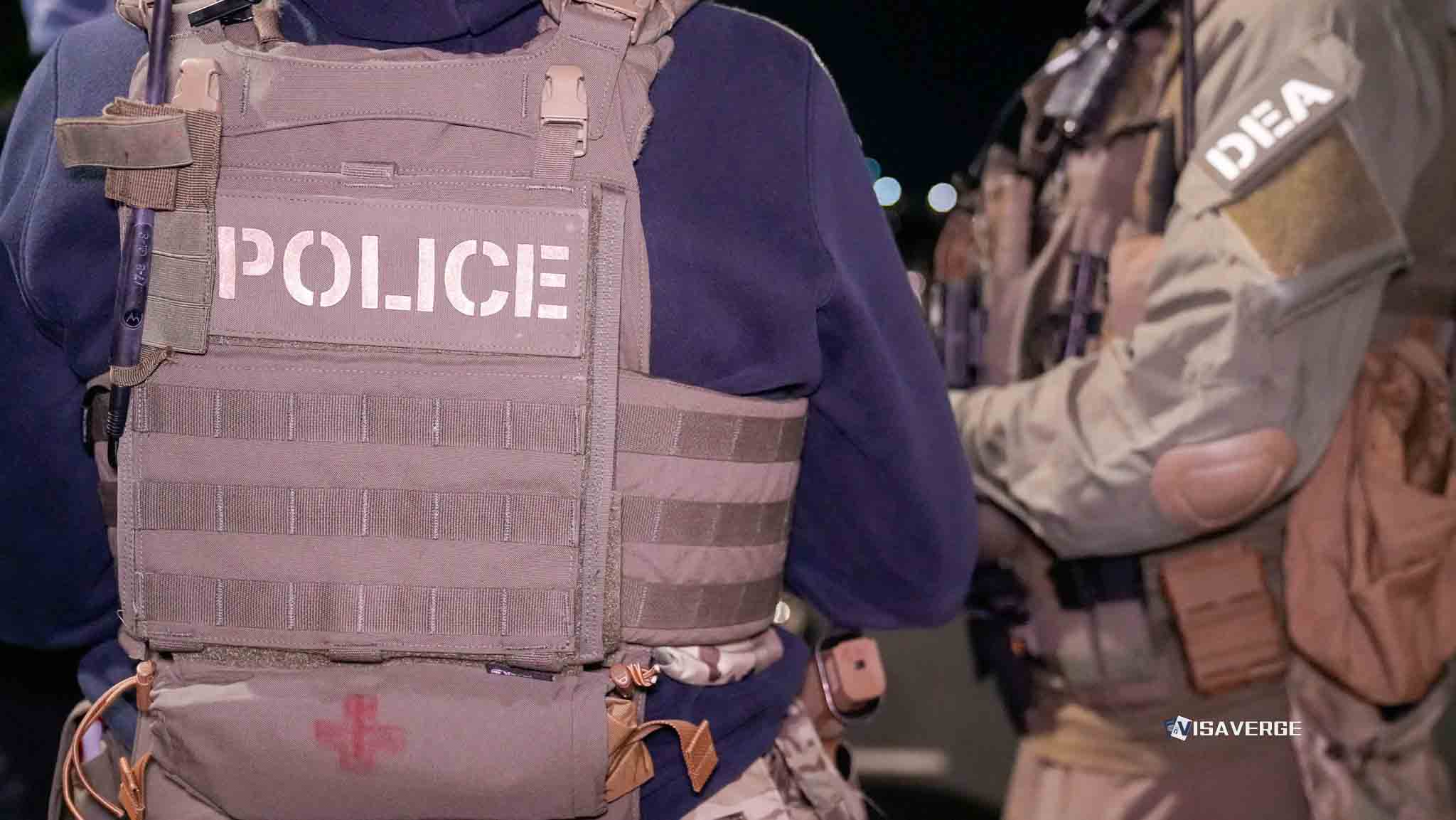
The grants fund counterterrorism, emergency preparedness and cybersecurity work, including terrorism preparedness in high-concentration urban areas. California says those programs do not concern civil immigration enforcement.
The affected DHS grants fund preparedness and cybersecurity
The funding at issue supports state and local efforts to prepare for, respond to and recover from terrorist attacks and other disasters. The categories include counterterrorism grants, urban-area terrorism preparedness grants, emergency preparedness grants and cybersecurity grants.
State and local law enforcement agencies also work with federal agencies on counterterrorism measures supported by these grants, California’s attorney general’s office said. The challenged terms attached immigration conditions to funding for those activities.
The order concerns plaintiff states. It does not extend the stated relief to grant recipients outside the plaintiff group.
The court applied its earlier judgment to similar conditions
The Rhode Island court found that the new conditions came within the reach of its existing judgment. That judgment covered future fiscal years and “materially similar” conditions, California’s announcement said.
The court ruled that DHS violated the 2025 injunction by imposing the FY 2026 terms. It barred enforcement against the plaintiff states and directed the agency to replace their award letters without the challenged conditions.
Rob Bonta said the court had acted to stop the administration from trying to circumvent earlier court orders. “The safety of our communities is not a political bargaining chip,” he said.
The order enforces the earlier judgment; it does not create a new grant program. State administrators should watch for DHS to reissue the plaintiff states’ award letters without the disputed terms, as the court ordered.
A separate DOJ ruling covers law-enforcement grants
A different case addressed conditions imposed by the Department of Justice on other public-safety grants. In a ruling announced in early November, District of Rhode Island Chief Judge John J. McConnell, Jr. declared the administration’s actions unlawful and permanently barred implementation or enforcement of those conditions.
That case involved programs including Edward Byrne Memorial Justice Assistance Formula Grants, known as Byrne JAG, juvenile-justice funding and the Byrne State Crisis Intervention Program. The Maryland Attorney General’s office said the conditions violated laws passed by Congress and the Spending Clause of the U.S. Constitution. It also said civil immigration enforcement is a federal responsibility, not a state one.
Maryland’s Baltimore City Sheriff’s Office uses Byrne State Crisis Intervention Program funding for its Safe Pathways project, which supports firearm safe-storage education, community outreach, behavioral-health referrals and violence prevention. Attorney General Anthony G. Brown said the ruling “secures the resources that keep Maryland law enforcement and the communities they serve safe from crime.”
Delaware Attorney General Kathy Jennings said the separate ruling protected $1.1 million in public-safety grants. The funding included more than $485,000 under Title II Part B of the Juvenile Justice and Delinquency Prevention Act and more than $686,000 under Byrne SCIP.
Massachusetts received more than $3.78 million in Byrne JAG funding in Fiscal Year 2025. Attorney General Andrea Joy Campbell said the threat to withhold funding “was cruel and illegal – the safety of our communities should never be used as a pawn in the President's political games.”
The DHS case and the DOJ case address different grant conditions. The DHS order directs revised award letters for plaintiff states; the separate injunction covers DOJ-administered public-safety funding.
This article provides general information and is not legal advice. Consult a qualified immigration attorney about your specific case.
Keep reading
More in Immigration → Immigration · Nov 12
UK Government Drops Proposed 15-Year Worker Route in Earned Settlement Response
 Immigration · Nov 12
Democrats Call for Major Immigration Reforms and Seek GOP Partnership in 2027
 Immigration · Nov 12
DHS Opens 1,600-Bed ICE Detention Facility in Appleton, Minnesota, on November 9
 Airlines · Nov 11
Spain General Strike: Six Canary Islands Flights Cancelled by 8:30 a.m. on November 11
Sources
Primary documents and official agency releases referenced in this story.