- Proclamation 10998 took effect on January 1, 2026.
- The final is scheduled for November 24, 2026, in San Juan.
Checked against the Federal Register
Miss Universe organizers in Zambia and the Republic of Congo withdrew their delegates, Mubanga Pamela Hatyoka and Georgina Kambongo, after linking their inability to travel to U.S. restrictions. By November 12, 2026, both had left the competition.
The countries face different limits under a U.S. presidential proclamation. The Republic of the Congo is subject to a continued full suspension, while the southern African country faces partial restrictions covering specified visa categories.
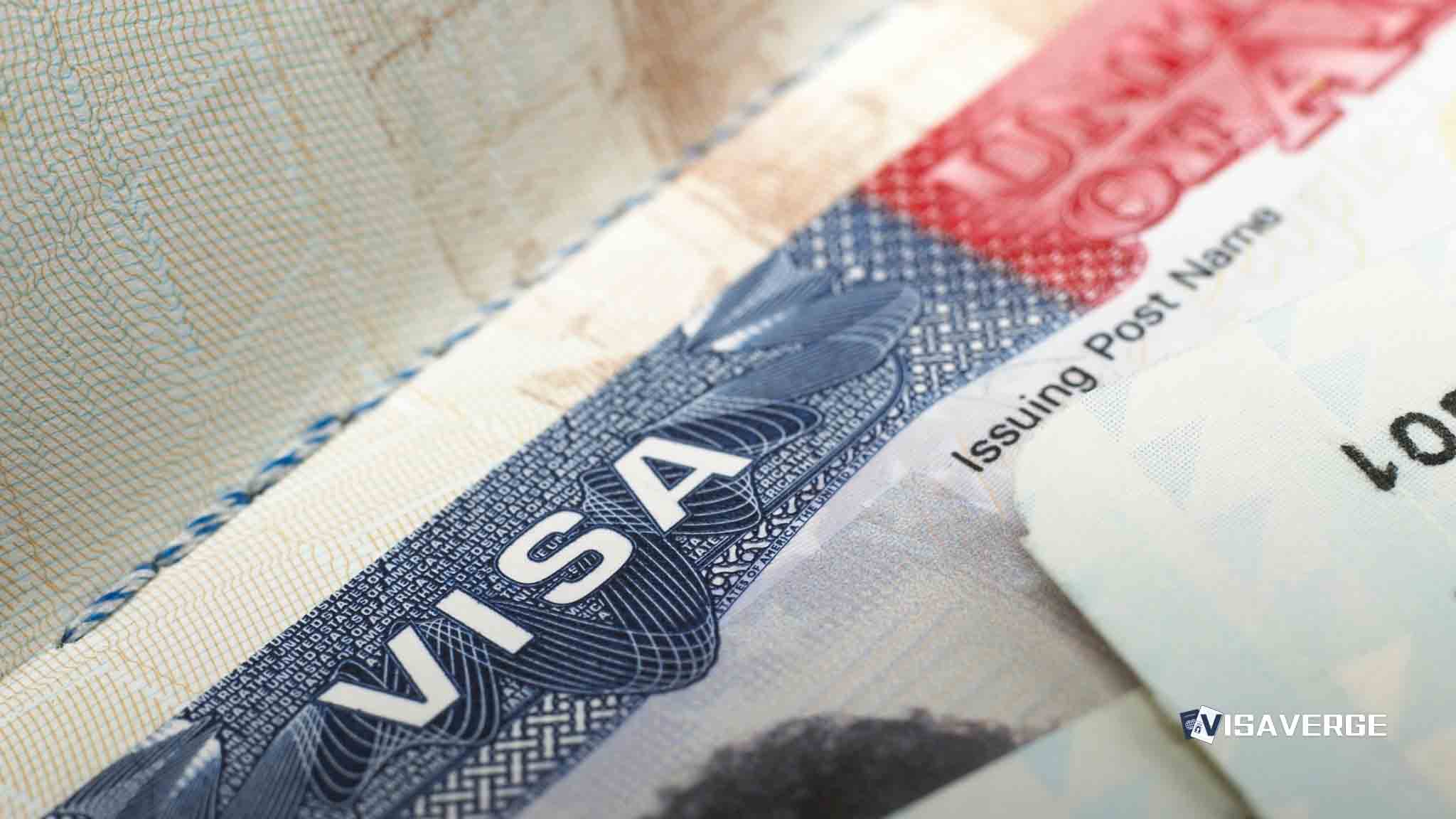
The pageant is being held in Puerto Rico, a U.S. territory. The two national organizations, rather than the contestants themselves, attributed the withdrawals to the restrictions.
The proclamation treats the two countries differently
Presidential Proclamation 10998 took effect on January 1, 2026. It covers immigrant and nonimmigrant entry, but the restrictions for these two countries are not the same.
The proclamation suspends entry for nationals of the southern African country as immigrants and as nonimmigrants seeking B-1, B-2, B-1/B-2, F, M or J visas. That covers visitor, student and exchange categories, alongside immigrant entry.
For the Republic of the Congo, the proclamation continues the full suspension established under Proclamation 10949. It includes categorical exceptions and allows case-by-case waivers.
The Federal Register text says the restrictions stem from identity-management and information-sharing deficiencies. The proclamation says those concerns are “sufficient to justify my finding that unrestricted entry of nationals from the named countries would be detrimental to the interests of the United States.” It also says disclosing more detail would harm national security and that much of the information is classified. The proclamation was published on December 18, 2025.
The restrictions have limits and exceptions
The proclamation’s coverage depends on more than nationality alone. Section 6 applies to people outside the United States who lacked a valid visa on the applicable effective date, with exceptions.
Examples of people outside that scope include:
- Lawful permanent residents.
- Dual nationals traveling on a passport from a country not covered by the restrictions.
The proclamation also provides for national-interest exceptions on a case-by-case basis. Those waivers are discretionary. The organizers did not say whether either withdrawn contestant sought or qualified for an exception.
Two other African delegates are still waiting
Zimbabwe’s Roseanna Hall and South Sudan’s Adut Deng were still facing uncertainty about travel documents as of November 12, 2026. Hall said she had spent several weeks in South Africa trying to secure her papers, while Zimbabwe’s government and national pageant organization were helping with her visa application.
Hall had been due to leave on November 8, when contestants began arriving for registration, fittings and other pre-pageant activities. In a social media post, she described the delay and vowed to continue trying:
“American visa challenges have delayed that journey, but the fight is not over.”
Deng also responded to Hall’s video, saying, “We're in the same situation. It's 50/50 whether we'll make it to Miss Universe. Hopefully. we both make it”. South Sudan’s organizers said her participation remained uncertain after months of efforts to secure travel documents and approvals. They said: “South Sudan deserves to be seen, heard, and represented. Our queen carries the hopes, dreams, beauty, and resilience of a nation.”
The final is scheduled for November 24, 2026, at the José Miguel Agrelot Coliseum in San Juan, Puerto Rico. Miss Universe followers can watch for updates on Hall’s and Deng’s cases ahead of the final.