- Thailand’s revised visa measures took effect on 15 September 2026.
- Uzbek e-Visa applications are routed through the Royal Thai Embassy in Russia.
Thailand’s Ministry of Tourism and Sports planned to propose a 15-day visa exemption for nationals of Colombia, Mexico and Uzbekistan at the Visa Policy Committee meeting on 9 November 2026. The proposal responds to travel disruptions linked to visa-processing delays, but the three nationalities remain subject to current entry requirements.
Emirates raised concerns after Mexican passengers missed departures when their Thai visas were not issued in time. Uzbek travelers have also faced a difficult e-Visa process. The proposal’s approval status after the 9 November meeting is unresolved, and the ministry has not specified a start date, entry limit or conditions.
The proposal covers three nationalities for short stays
The plan would allow visitors holding Colombian, Mexican or Uzbek nationality to enter Thailand without a visa for a stay of 15 days. Tourism and Sports Minister Surasak Phancharoenworakul described the proposal as a “15-day visa-free entry” plan for those countries.
The ministry’s proposal is intended to make visits easier for travelers from the three markets. The committee’s consideration would be a step in the process, not a stated start date for travelers. There is no published detail in the material on how many entries would be allowed or what conditions visitors would have to meet.
Thailand already has a separate 15-day tourism exemption for Seychelles and Mauritius. That arrangement does not cover the three countries in the new proposal.
Delays have pushed some travel plans off course
Emirates complained to the Tourism Authority of Thailand after passengers from Mexico were unable to board because their Thai visas had not arrived in time. Mexican and Colombian travelers have faced delayed visa approvals and issuance, according to the account of the proposal.
Uzbek applicants encounter a different obstacle. Their e-Visa applications are routed through the Royal Thai Embassy in Russia, a process that has led some travel agents to redirect holiday packages to other destinations, including Vietnam.
The issues have affected both Latin American and Uzbek travel markets. The ministry is seeking to ease entry for these long-haul visitors, while Thailand’s visa policy also takes account of security and economic considerations. No entry conditions have been set out for the proposed exemption.
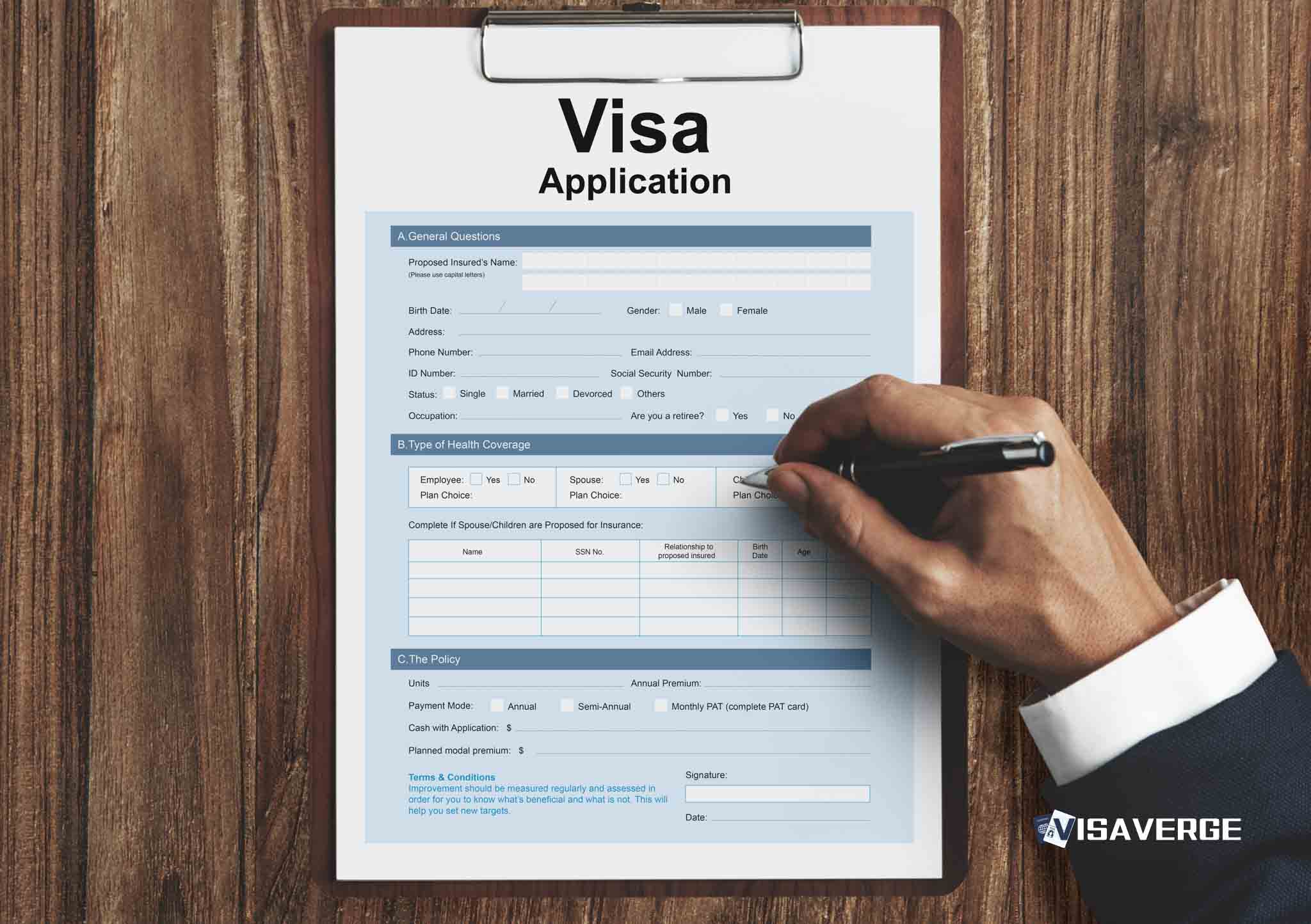
Current visa rules still require advance checks
Thailand’s revised visa measures took effect on 15 September 2026. Under those measures, Colombian, Mexican and Uzbek nationals were removed from the visa exemption scheme and generally need to obtain a visa before arriving, subject to any applicable bilateral arrangements. The changes replaced the former 60-day exemption arrangement. Thailand’s updated visa measures provide the existing policy context.
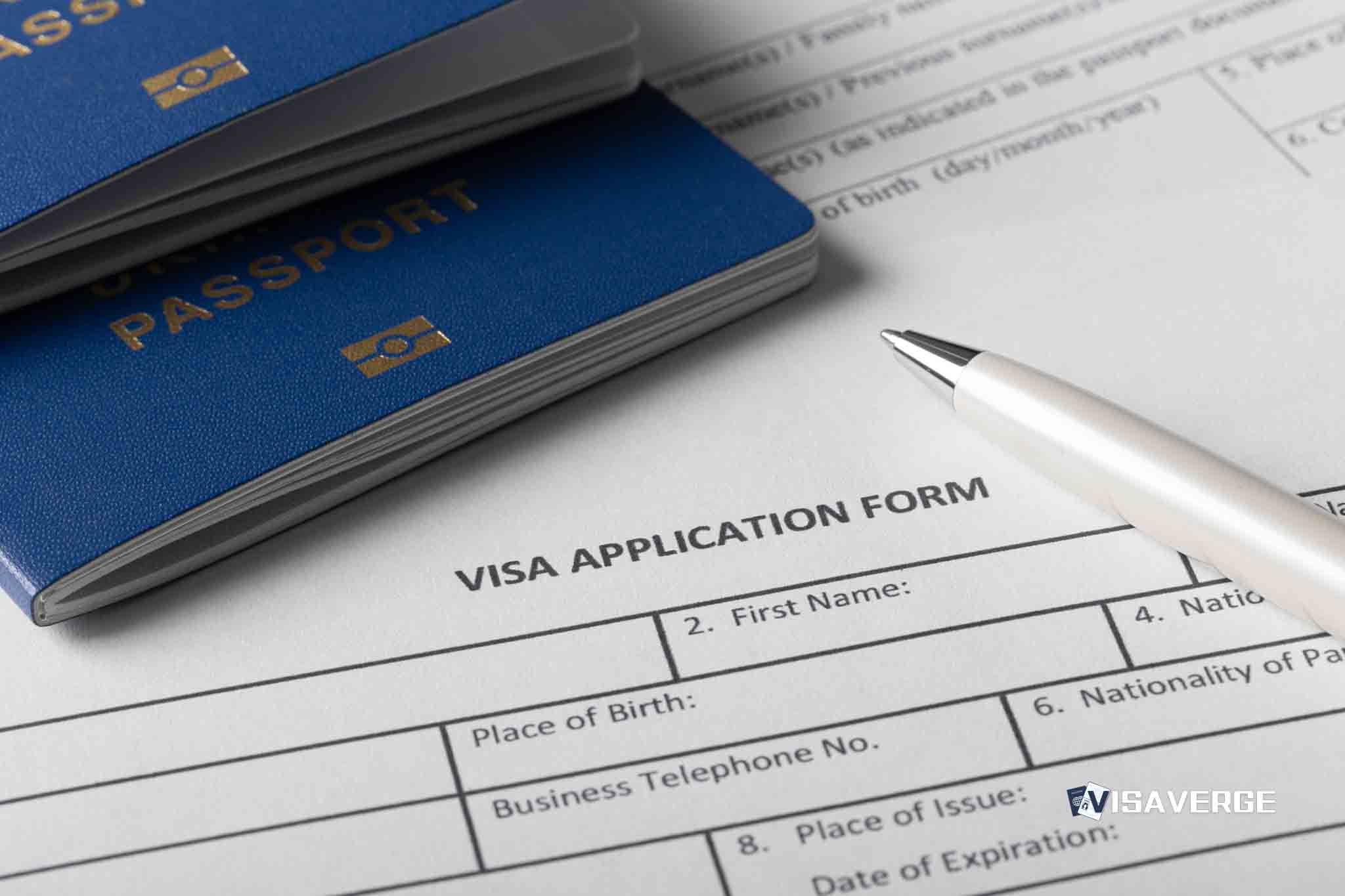
Until a new measure is formally adopted and takes effect, the current requirements continue to apply. Travelers should check the rules for their nationality with Thailand’s Ministry of Foreign Affairs or the nearest Royal Thai Embassy or Consulate, and apply early if a visa is required.
The proposal would restore short-term visa-free access for the three nationalities if adopted. For now, travelers should plan around the visa requirements currently in force.