- The tourist visa allows one entry within one year of issuance.
- Visitors may seek an extension for a maximum stay of 180 days.
- The online application supports up to 10 travelers in one process.
Cuba made its new e-Visa portal available on November 5, 2026, and the Cuba Tourist Board set out entry requirements for travelers from Canada on November 11. The Ministry of Tourism announced the site a day earlier, on November 4.
The guidance covers Canadian citizens traveling through a third country, as well as other visitors who must complete the arrival declaration. It also addresses insurance, passport validity and return documents for non-Canadian citizens living in Canada.
The consular site, called the Portal of Consular Services of the Republic of Cuba, directs applicants to a digital visa application and a separate verification service. Tourist, family and business exploration visa categories are available online.
Gihana Galindo, director of the Cuba Tourist Board, said the platforms are intended to make preparations easier for travelers and their advisers.
“We want to reassure our valued travel trade partners that travelling to Cuba remains completely accessible,” Galindo said.
The consular site replaces the old application address
Free toolVisa Photo Requirements Checker OnlineThe new portal followed an interruption to the earlier evisacuba.cu service. That site had been unavailable since October 29 during a move from the Evisa1 system to Evisa2, and it remained inaccessible on November 3. The new consular site was available from November 5.
Applicants choose the digital visa option to reach the application service. It also lets travelers check the status and validity of a visa already processed. The site offers English, Spanish and French interfaces, and authorized travel agencies can also obtain e-visas.
Canadians connecting abroad need a single-entry tourist visa
The Tourist Board says Canadian citizens traveling to Cuba through a third country must secure an electronic tourist visa before departure. The visa permits one entry within one year of issuance and a stay of up to 90 days.
Each subsequent trip requires a new e-visa. Travelers in Cuba can apply to a local immigration office for an extension, subject to a fee; the maximum stay with an extension is 180 days.
The arrival form, insurance and passport rules remain separate
The Tourist Board identifies these other requirements for travelers:
- D’Viajeros declaration: All travelers must complete the digital form within seven days before arrival. It produces a QR code to save or print and present to immigration officials on arrival.
- Health insurance: Visitors need proof of valid coverage. The Tourist Board recommends destination-specific insurance through ESICUBA/ASISTUR. It says compliant insurance is included with U.S.-departing flights for stays up to 30 days; the airline ticket or boarding pass serves as proof.
- Passport: The document must remain valid for the full stay.
- Return documents: Non-Canadian citizens residing in Canada need valid documents to re-enter, such as a Permanent Resident card or visa.
The federal travel advisory for Cuba remains at orange level, advising against non-essential travel. Nonstop flights from Canada are suspended, though travelers can still use connecting routes.
Apply through the consular portal and complete D’Viajeros separately
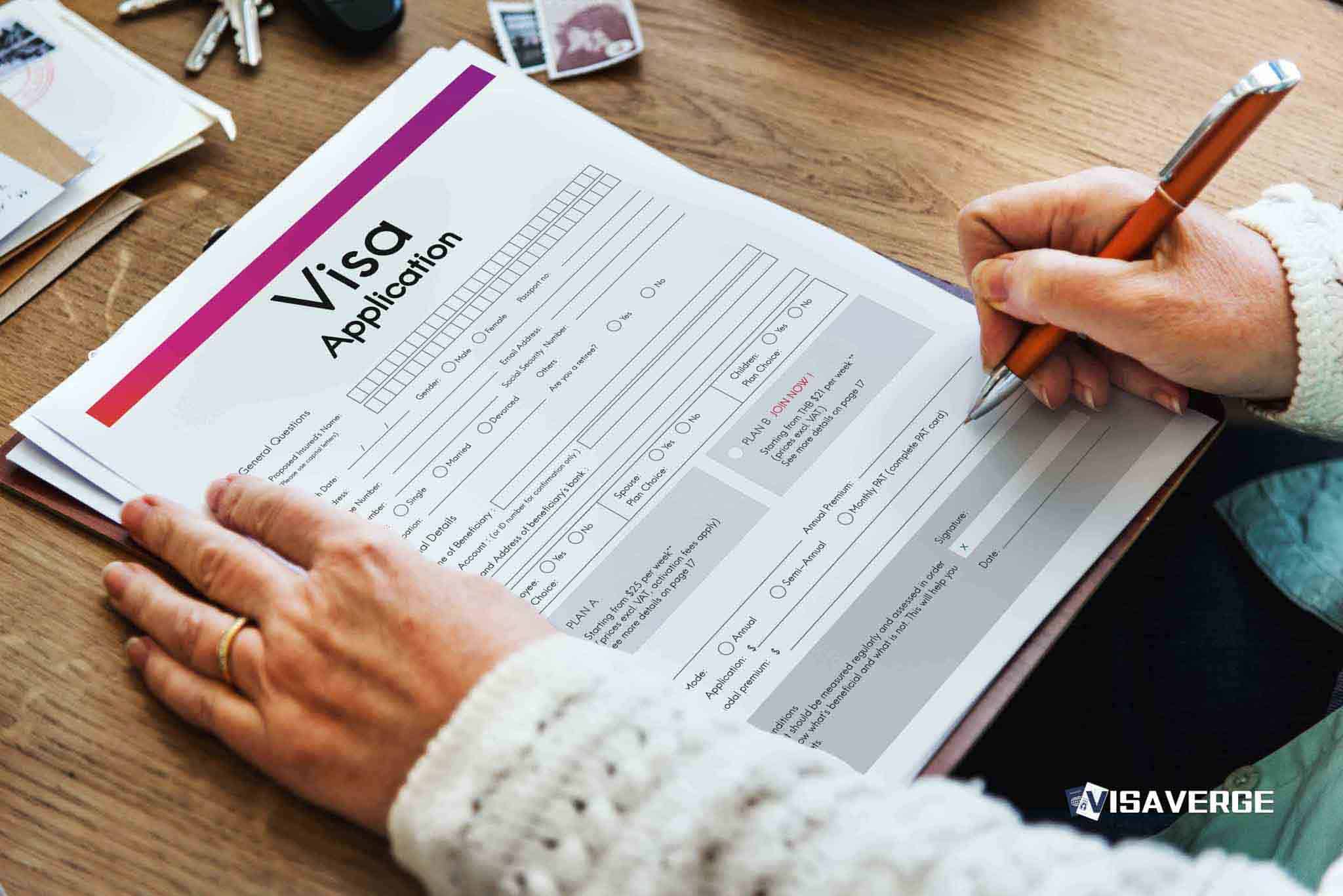
At the consular site, applicants verify an email address, select a country, consular office and visa category, enter personal details and upload a passport image. Fees and payment instructions depend on the office selected. The Canadian-office fee is not specified; the portal displays fees by office, and it does not offer direct online payment by credit or debit card.
The system says applicants should receive a response within 72 business hours. The Tourist Board recommends applying at least seven days before departure. Travelers arriving by sea must contact the consular office, and applicants can add up to nine more people after entering the first traveler’s details, for a maximum of 10 applications in one process.
The Tourist Board’s seven-day D’Viajeros deadline differs from earlier Cuban consular guidance, which set a 72-hour window. Travelers can complete the declaration separately through the D’Viajeros platform and should have its QR code ready to present on arrival.