- The FTC can ask a federal court to compel companies that fail to provide the requested information.
- Most requested material dates from January 2023; pricing research and experiment requests reach back to January 2021.
- The Department of Transportation, not the FTC, would handle enforcement action against airlines.
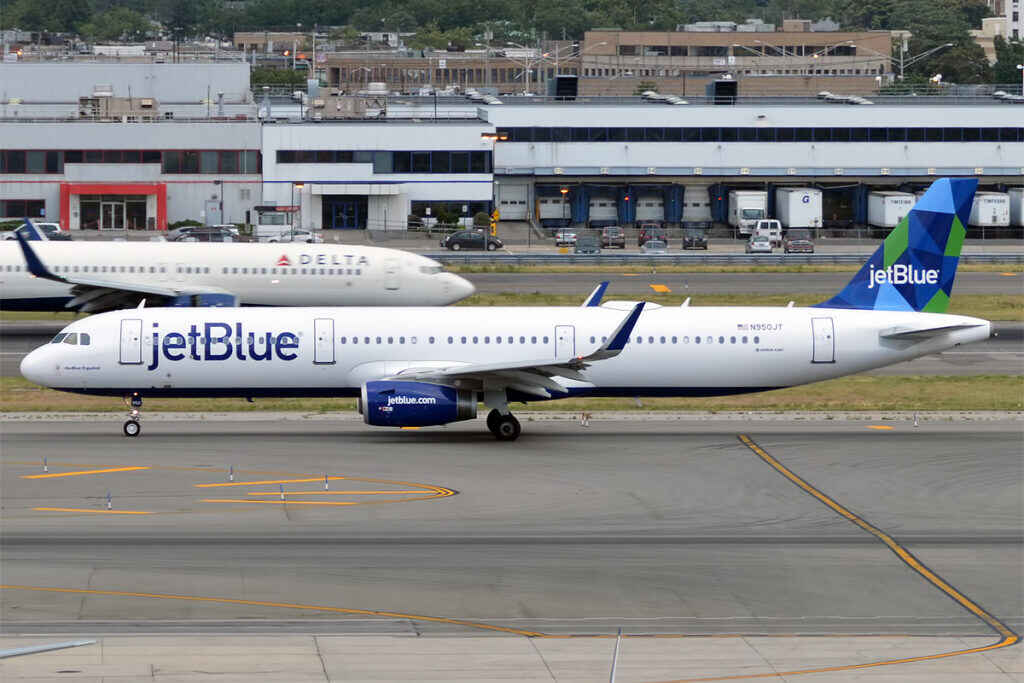
The Federal Trade Commission opened a Federal Probe on October 28, 2026, ordering Delta Air Lines, United Airlines and JetBlue to provide records for a study of whether personal data affects prices. The Personalized Fares inquiry includes ticket pricing, discounts and promotions. The orders give each airline 45 days from receipt to respond.
Background: Delta Airlines to Implement AI for Individualized Passenger Ticket Pricing
The agency is examining how companies use consumer and worker data in pricing. Its requests do not constitute findings that any company violated the law.
The FTC issued the orders under Section 6(b), which allows it to gather information for a study. Airlines must respond within 45 days of receiving their orders. Passengers do not have an action to take under the inquiry; the next developments are the companies’ responses and the FTC study.
The study covers six companies beyond the airlines
The three carriers are among nine recipients. The FTC also ordered Lyft, Uber, DoorDash, Instacart, Target and Walmart to provide information. Its inquiry covers prices for rides, food delivery and other goods and services, as well as compensation paid to gig workers.
Recipients must provide the requested information. If a company fails to comply, the FTC can ask a federal court to compel it. The agency’s study is separate from enforcement against airlines: the Department of Transportation, rather than the FTC, would handle any action against carriers.
The FTC’s chairman, Andrew N. Ferguson, said the agency plans to examine how companies determine what consumers pay and what gig workers earn.
“Consumers deserve to know whether companies use their web surfing habits or other personal data to estimate the highest price they can charge each consumer.”
The FTC is asking how data, offers and tests shape prices
For the airlines, the requests cover the information used in pricing systems and how widely those systems have been applied. The FTC also wants details about the components of a fare that a method may affect, and whether the company sorts customers as individuals or into broader groups.
The records sought include:
- Data inputs, pricing methods, third-party suppliers and how extensively the methods have been deployed.
- Tests that offered different prices or promotions to different customer groups, including effects on prices, sales, revenue and profits.
- How discounts and promotions are determined, and whether pricing methods changed affordability or access.
- The wording and placement of customer disclosures.
The requests include loyalty-program participation and offers tied to Delta SkyMiles, United MileagePlus and JetBlue TrueBlue. They also reach paid upgrades and targeted fare sales. Most requested information dates from January 2023, while pricing research and experiment requests go back to January 2021.
Delta and JetBlue reject individualized pricing; United referred questions
Delta said it has not used, is not testing and does not plan to use a fare product that targets customers with individualized offers based on personal data. Peter Carter, Delta’s executive vice president and chief external affairs officer, has said its AI tool receives route-level demand and market information, not passenger personal information.
Delta has described its Fetcherr trial as a tool for forecasting demand and recommending fare adjustments. In a July 31, 2025 letter published August 7, the airline said it did not share personal information with Fetcherr or use personal data in ticket pricing.
JetBlue said personal information and web-browsing history do not set individual fares. It attributes fares to demand and seat availability, and says customers see the same fares on its website and mobile app.
United referred questions to Airlines for America. The trade group welcomed the FTC study and said its member carriers do not engage in personalized pricing. The agency has not made findings of wrongdoing in the inquiry.
Market-driven fare changes differ from personal-data pricing
Dynamic pricing adjusts fares in response to market conditions, such as demand and seat availability. Personalized pricing uses information about an individual shopper to influence the price offered. That difference is central to the FTC’s questions about what data a fare-setting method uses and whether it affects what customers pay.
Delta’s trial with Fetcherr involves forecasting demand and recommending adjustments. Delta says the tool does not use personal information in ticket pricing. The FTC’s requests seek information about systems and experiments across all nine companies.
JetBlue also faces a class-action lawsuit filed in April 2026 alleging that it uses trackers to set prices dynamically. The allegation is separate from the FTC’s study, and JetBlue has denied using personal information or browsing history to set individual fares.
The FTC is pursuing a separate policy track. In August 2026, it proposed a policy requiring businesses to disclose clearly if they use personalized pricing and identify the types of data involved. The comment period runs through November 21.
Airline recipients must meet their response deadlines within 45 days of receiving their individual orders. Travelers can watch for the companies’ responses and the FTC’s study.