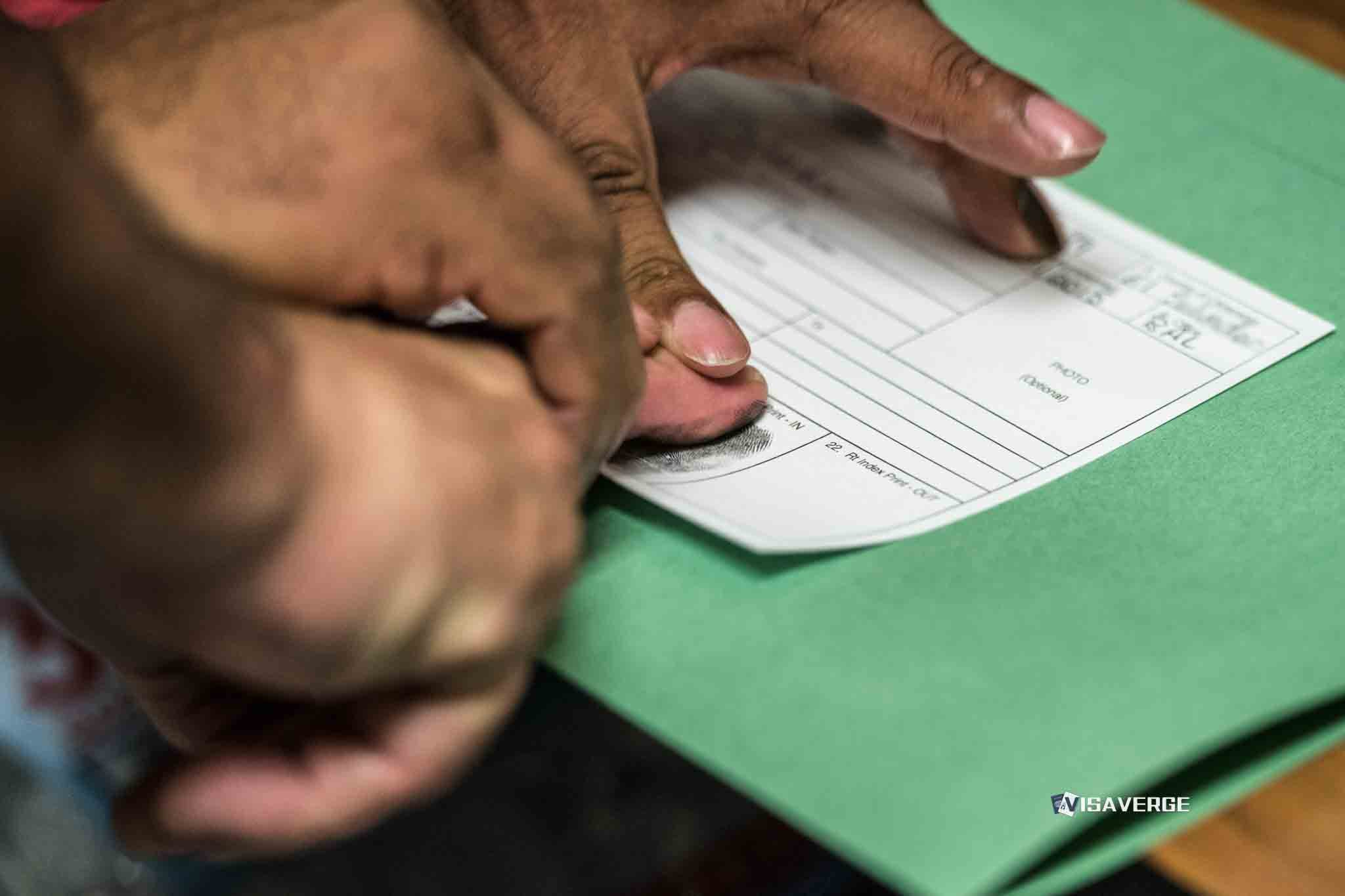
Vargas Bill Would Expand Naturalization Interviews for Deported Veterans
The proposal would let veterans who have completed preliminary naturalization steps interview at ports of entry, embassies or consulates, but it remains in committee.
At a glance
- A November 2021 policy already allowed interviews at ports of entry.
- Veterans with violent-crime convictions would be ineligible under the separate Senate package.
Reviewed November 12, 2026 Checked against vargas.house.gov
Rep. Juan Vargas and two House colleagues reintroduced a bill that would let qualifying deported veterans attend citizenship interviews at a port of entry, embassy or consulate without going through parole. It is aimed at veterans who have completed the preliminary naturalization process.
The proposal, the Strengthening Citizenship Services for Veterans Act, also directs U.S. Citizenship and Immigration Services to offer other steps in the citizenship process at those locations. The measure is not law. Its effective date has not been established.
Vargas, Rep. Vicente Gonzalez and Rep. James P. McGovern announced the reintroduction on November 11, 2026. The bill is before the House Judiciary Committee, which has not voted on it.
A previous version passed the House in the 117th Congress. If the current bill clears committee, it would still need approval from both the House and Senate.
Qualifying veterans could complete more citizenship steps abroad
The bill covers deported veterans who have successfully completed the preliminary naturalization process. It would let them attend citizenship interviews at a port of entry, embassy or consulate without navigating parole.
The proposal would also direct USCIS to provide these services at the designated locations:
- Biometric collection
- Naturalization examinations
- Oath ceremonies
The Secretaries of Homeland Security and State would jointly issue guidance for providing the services and report to Congress on how the policy is implemented and how effective the guidance proves to be.
The proposal addresses an obstacle for veterans living outside the United States: they may need to return to complete steps in their citizenship process. Vargas’ office said some veterans have been deported and prevented from attending their own naturalization hearings.
The bill would expand an interview option adopted in 2021
The Biden administration adopted a policy in November 2021 that allowed deported veterans to conduct citizenship interviews at ports of entry. The new bill would put that policy into law and add U.S. embassies and consulates as interview locations.
The case of Marine veteran Roman Sabal helped prompt the legislation. He was denied reentry near the San Ysidro Port of Entry when he sought to attend his naturalization interview. A pro bono legal team helped him sue the federal government, after which he was paroled into the country and completed the process. He became a U.S. citizen in October 2020.
Vargas said the bill is meant to remove barriers for veterans seeking to reunite with their families. Gonzalez said the measure would give immigrant veterans a path to citizenship. McGovern said it would help deported veterans return and pursue citizenship without unnecessary delays.
James Smith, co-founder and director of Black Deported Veterans of America, welcomed the bill’s intent but argued that it did not go far enough. “I think the intentions of the bill are good and I would definitely support it because it's trying to support somebody, but it needs to be a lot more.”
Other Senate bills focus on return, health care and military-service records
Sen. Tammy Duckworth reintroduced a separate package of three bills ahead of Veterans Day 2025, after the measures failed to advance to a final vote in Congress in 2023. Sens. Richard Blumenthal, Ruben Gallego and Mazie Hirono also sponsored or backed measures in the package. Veterans with convictions for violent crimes would be ineligible under the package as described.
The Veterans Visa and Protection Act would establish a route for eligible deported veterans to return as lawful permanent residents. The HOPE Act would allow nonviolent deported veterans to return temporarily for Department of Veterans Affairs medical care. The I-VETS Act would require the Department of Homeland Security to identify noncitizens with military service when they apply for immigration benefits or face enforcement proceedings.
On Veterans Day, Rep. Veronica Escobar called for deported veterans to return, saying hundreds had been removed under the current and previous administrations. She did not identify a process for their return. Escobar said she plans to reshape and reintroduce the bipartisan Dignity Act in 2027, without saying whether revised language would address deported veterans.
The House Judiciary Committee is the next place to watch for action on the citizenship-services proposal.
Keep reading
All USCIS updates →

What to do now
- Watch the House Judiciary Committee for action on the bill.
Sources
Primary documents and official agency releases referenced in this story.