Rep. Juan Vargas Brings Veterans Citizenship Bill to House Judiciary Committee
The proposal would let deported veterans complete naturalization interviews and other steps at U.S. embassies and consulates, but it would not waive the citizenship process.
At a glance
- The prior version, H.R. 8851, was introduced June 26, 2024.
- Roman Sabal became a U.S. citizen in 2020.
Reviewed November 12, 2026
Rep. Juan Vargas reintroduced the Strengthening Citizenship Services for Veterans Act, a proposal to expand where deported veterans can complete naturalization services. As of November 10, 2026, the bill was under review by the House Judiciary Committee, which had not voted on it.
The bill would add U.S. embassies and consulates to the locations where veterans could complete naturalization interviews, biometric screenings and oath ceremonies. It would also remove the parole process requirement, while leaving applicants subject to naturalization requirements and screenings.
The proposal would build on a 2021 policy that allows deported veterans to have citizenship interviews at ports of entry. The expansion could give veterans living outside the United States more places to complete the process.
The proposal would move naturalization services closer to veterans abroad
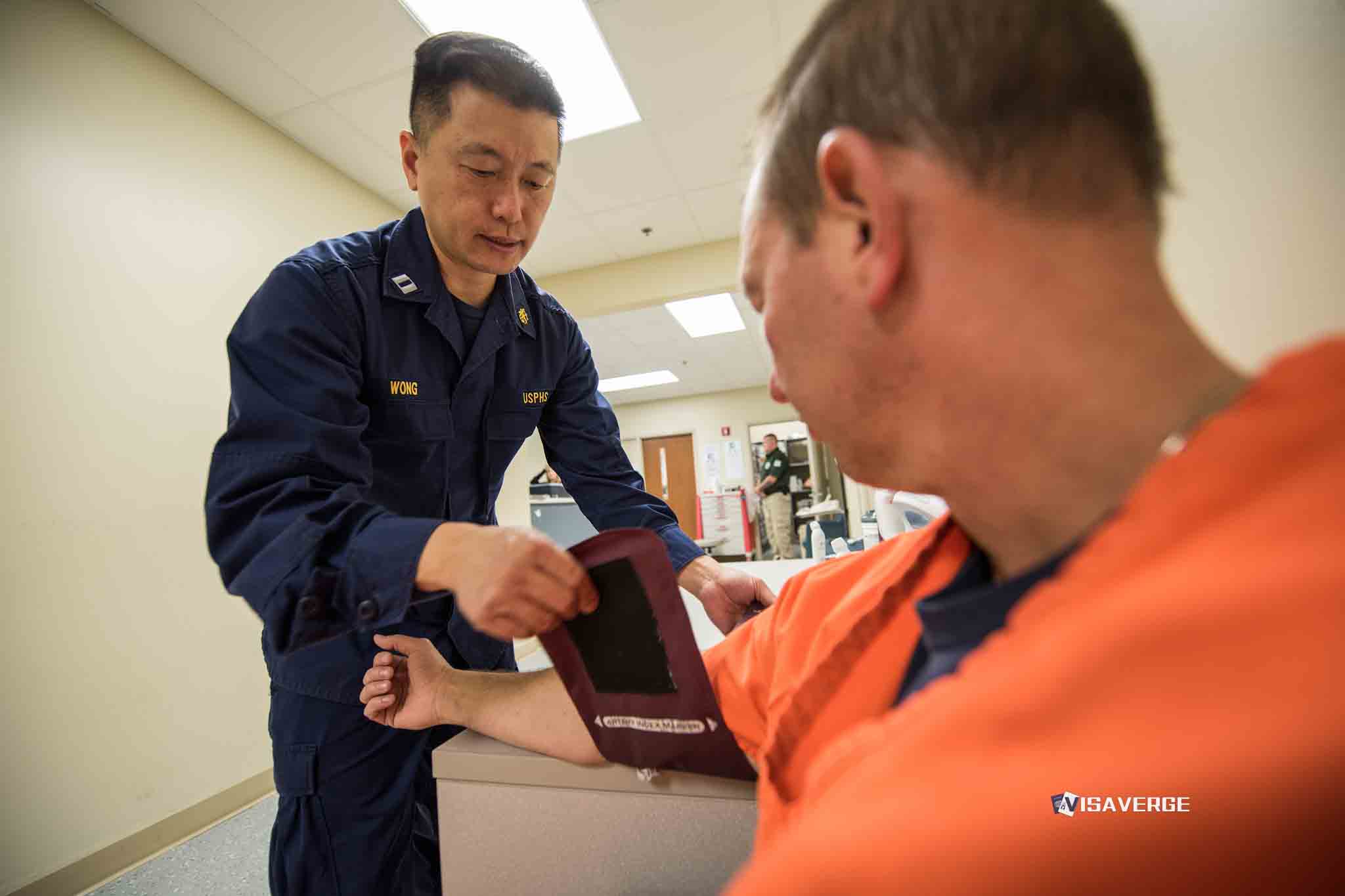
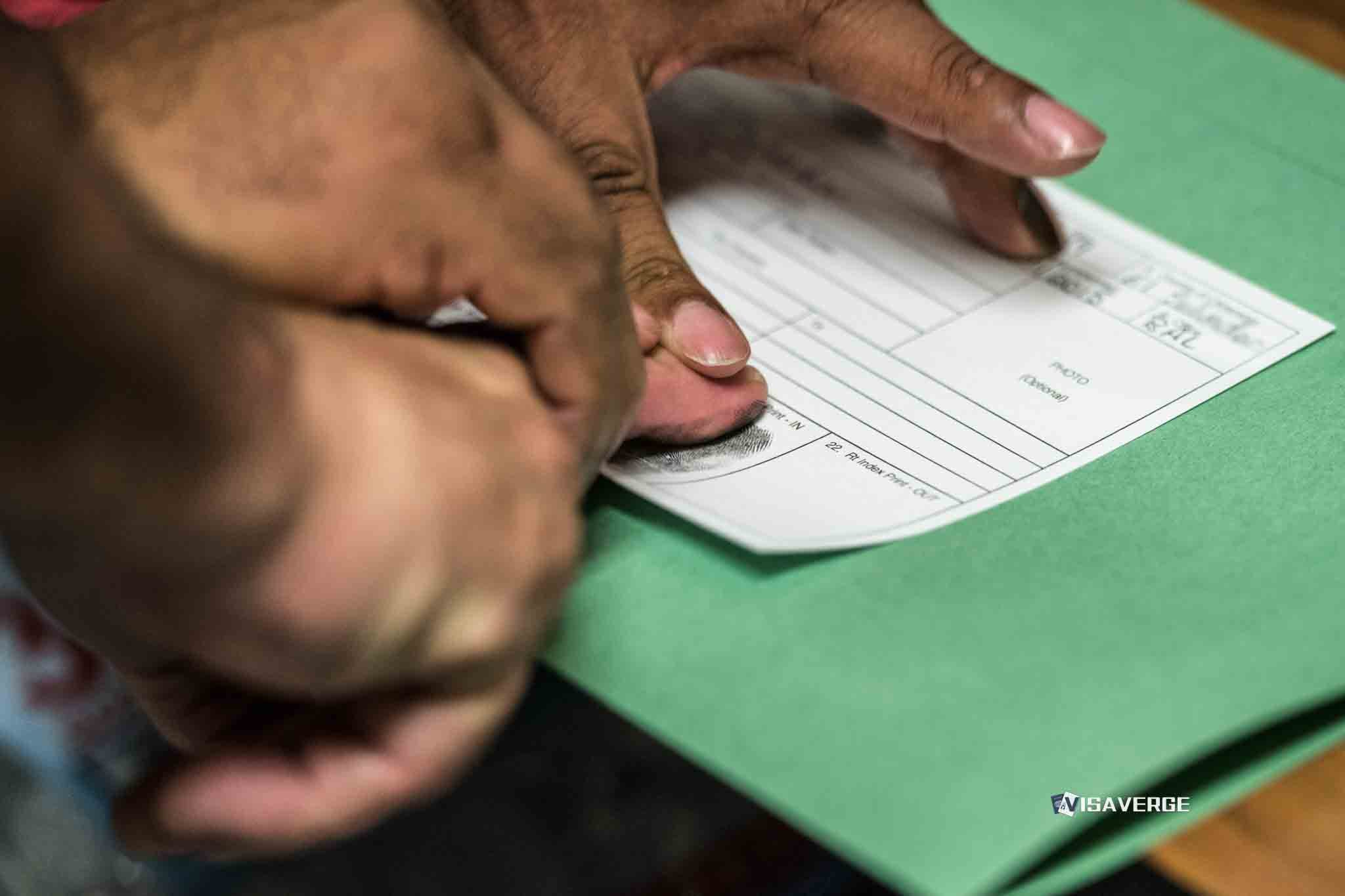
The bill’s proposed services cover several stages of naturalization. Veterans could take an examination, provide biometrics and complete an oath ceremony at a port of entry or at a U.S. embassy or consulate in the country where they live.
That arrangement could reduce the need for a veteran to travel to a port of entry for each step. The proposal would also remove the requirement to go through the parole process to access those services. It does not, however, eliminate the naturalization examination or other requirements.
A prior version, H.R. 8851, was introduced on June 26, 2024. Its text directed the secretaries of Homeland Security and State to develop joint guidance covering how the services would be provided, how the State Department would make space available, and how officials would check the quality of the process. It also called for a joint report to Congress within 180 days of enactment, with revised guidance within 90 days after the report if it identified shortcomings.
Those provisions describe the earlier bill text. Vargas’s office has not said whether the reintroduced version changes them.
Military service does not remove naturalization requirements
Applicants would still have to qualify for naturalization and complete screenings.
Vargas’s office connected the original bill to the case of Marine veteran Roman Sabal, who was denied re-entry after traveling to Belize to visit family in 2008. Sabal described being stopped at the border and told he could not return as a citizen.
“I was stopped at the border — that's when I was told that I was not a citizen and could not re-enter the country, even though when I joined the U.S. Marines, I was told, 'OK, now you're a Marine, you're automatically a U.S. citizen'”
Sabal later became a U.S. citizen in 2020.
A veterans advocate says the bill needs to go further
James Smith, co-founder and director of Black Deported Veterans of America, welcomed the proposal’s aim but said it did not go far enough. He spoke while in New York City for the Veterans Day parade.
“I think the intentions of the bill are good and I would definitely support it because it's trying to support somebody, but it needs to be a lot more”
The scale of the affected population is unclear. The Government Accountability Office says federal agencies do not routinely track how many veterans have been removed from the United States. During a 2022 House debate, a lawmaker estimated that hundreds of immigrant veterans had been deported. That estimate does not identify how many people would meet this bill’s eligibility criteria.
The committee has not set a vote date
The committee had not voted on the bill as of November 10, 2026. It has not said when, or whether, it will take up a vote.
If the bill passes committee, it would still need approval from both the House and Senate. It remains unclear whether that could happen before the legislative session ends.
There is no announced date for committee action. Watch the committee for a vote or other movement on the proposal.
This article provides general information and is not legal advice. Consult a qualified immigration attorney about your specific case.
Keep reading
All USCIS updates → DACA · Nov 11
DHS Proposes Ending Deference to Prior Approvals for USCIS I-129 Extensions
What could DHS’s I-129 deference proposal mean for extensions? Learn which filings may be affected, what remains in force, and how to comment by Novem…
 DACA · Nov 11
Interior Removals Projected at 230,000 in 2026, Below 2008-2009 Levels
 DACA · Nov 11
Alexandria Family Staging Center at England Airpark to Become Child Deportation Hub, Lasalle Family Foundation Says
 DACA · Nov 11
Trump Open to Immigration Deal as Democrats Demand Proof on Deportation Policy and Amnesty in 60 Minutes Interview