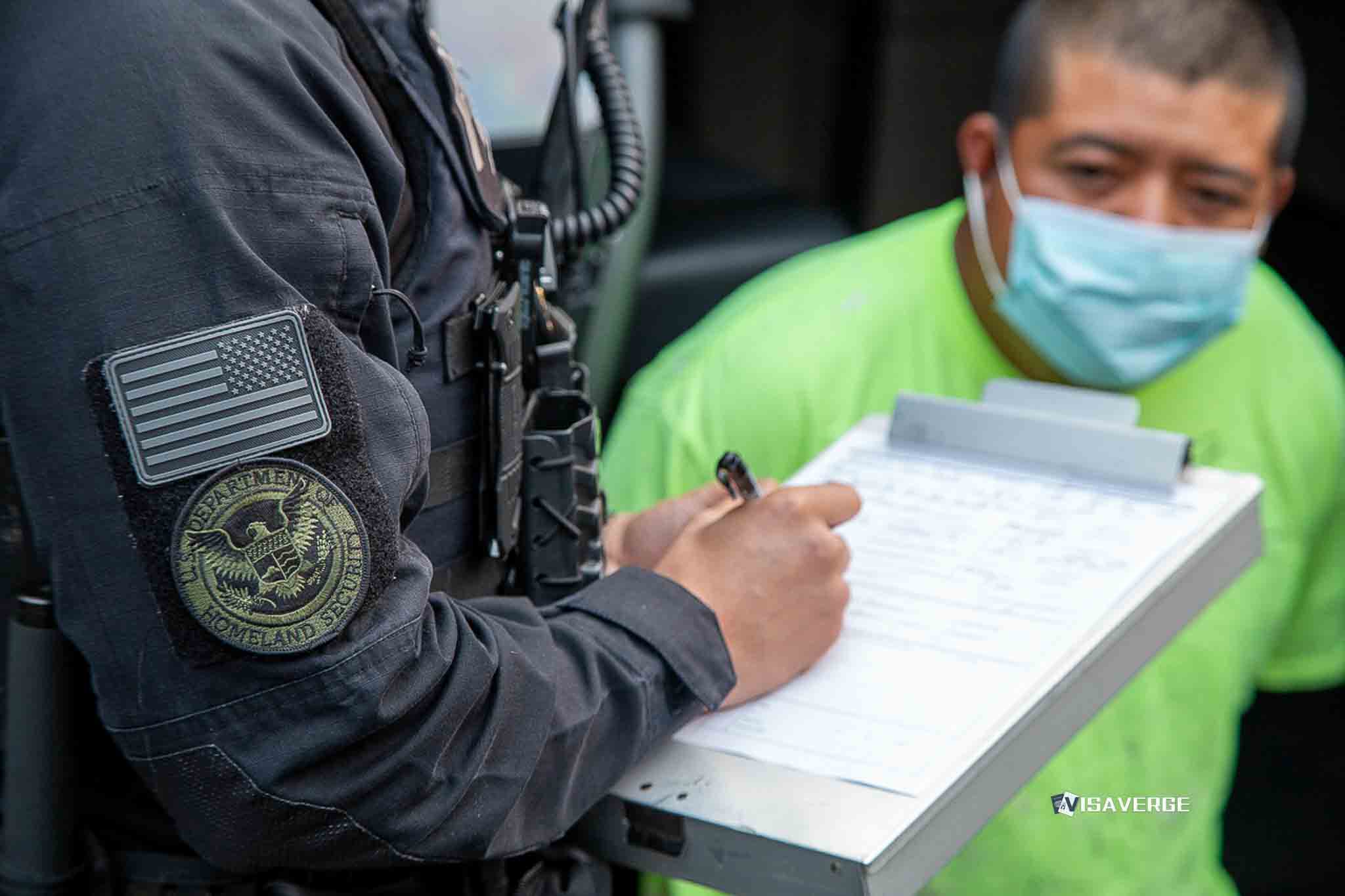
Veterans’ groups and military families are condemning the Trump administration after immigration agents resumed deportations of immigrant service members and veterans this spring, following a sharp policy reversal in April 2025 that removed key protections for noncitizen troops and their relatives.
The new approach has already led to high‑profile removals of former soldiers and Marines and new detentions of parents of active‑duty personnel, drawing accusations of betrayal from those who wore the uniform now.
Policy change: what shifted in April 2025
Under President Biden, Immigration and Customs Enforcement (ICE) had treated prior military service as a “significant mitigating factor” that officers had to weigh before seeking to deport a noncitizen. That guidance also told agents to protect noncitizen family members of veterans and active‑duty troops.
In April 2025, that guidance was quietly withdrawn as part of a broader set of Policy Changes and Enforcement Actions promised by President Trump during his campaign.
The replacement policy, issued by ICE headquarters, takes a different tone:
- It states that while “ICE values the contributions of all those who have served in the U.S. military … military service alone does not automatically exempt” a person from arrest, detention, or removal.
- Local ICE field office leaders now have wide discretion to move ahead with deportations of immigrant service members and veterans, even when they have deep community roots.
- Crucially, the April 2025 directive does not mention noncitizen relatives of troops at all, erasing earlier language that explicitly extended protection to spouses, parents, and children of those in uniform.
- Both the old and new rules still tell agents not to target active‑duty personnel unless there are serious aggravating factors, but advocates say the loss of protection for veterans and military families represents a dramatic break with long‑standing practice.
Human impact: cases and consequences
For many families, the policy shift is not an abstract debate but a painful reality.
- Narciso Barranco — longtime California resident and father of three U.S. Marines — was taken into custody in Santa Ana earlier this year.
- Maria Pelaez, the mother of an active‑duty Marine, was detained by ICE and has been refused release even after a judge agreed she should be freed on bond.
- Sae Joon Park, a disabled Purple Heart recipient who had lived in the U.S. for nearly five decades, was forced to self‑deport under the administration’s approach.
- Jose Segovia‑Benítez, a former Marine who suffered a traumatic brain injury in combat, was abruptly removed to El Salvador despite his medical history and long residence.
- Miguel Perez was deported and spent nearly a year and a half abroad before receiving a pardon from Illinois Governor J.B. Pritzker, which cleared the way for his return.
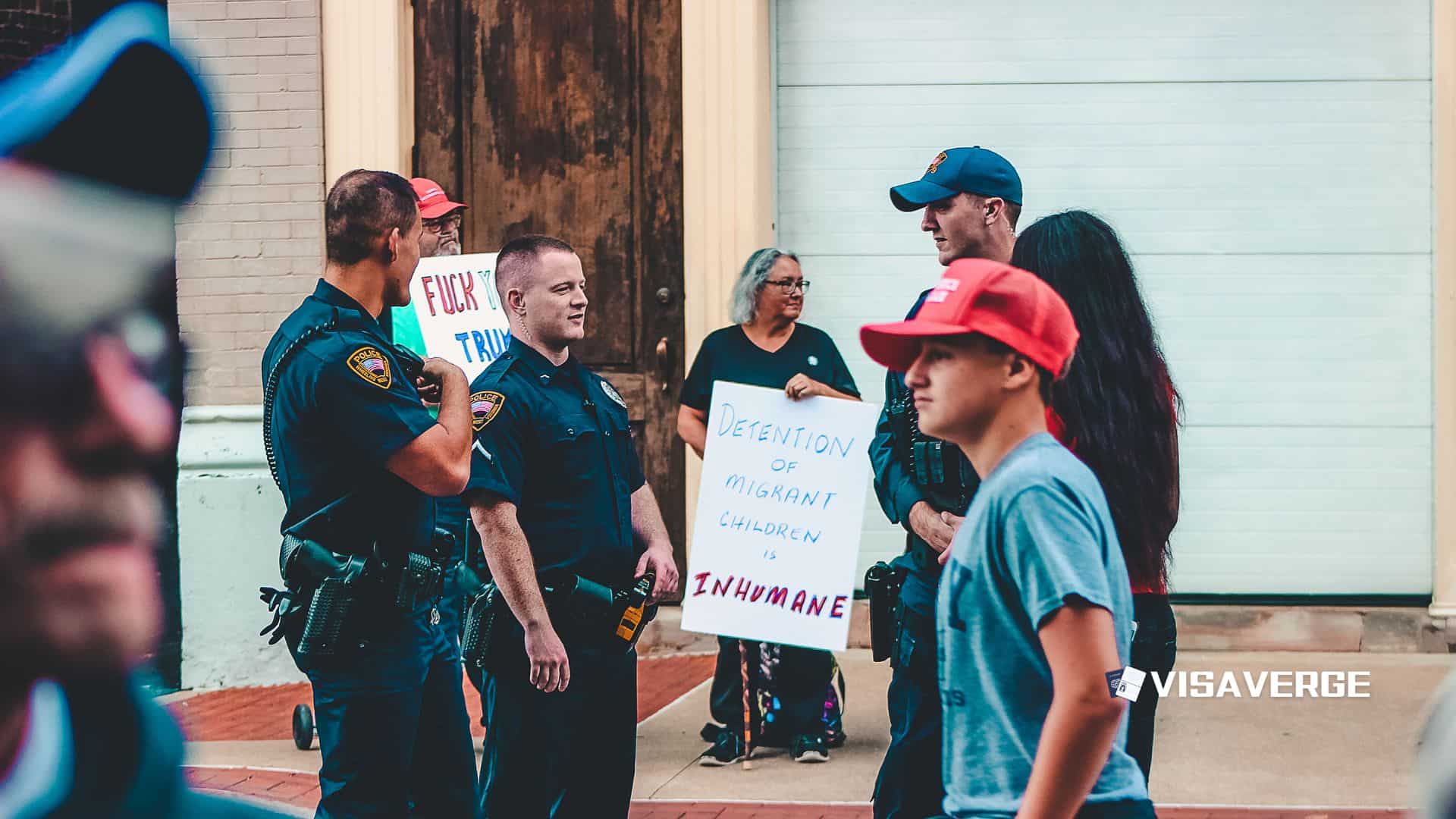
Chicago‑area veterans highlighted Perez’s case and others during Veterans Day events, warning that deportations are tearing apart families who believed military service would secure their place in American society.
“Across our nation, and in this city, families are being torn apart, not by enemies overseas, but by federal overreach here at home,” one Chicago veteran told reporters.
That sense of betrayal runs through many statements from groups pushing back against the new enforcement drive, which say it targets immigrant service members who followed rules and trusted promises made by recruiters and commanders.
Reactions from veterans’ advocates and groups
Retired Lt. Col. Margaret Stock, an immigration lawyer who represented many veterans in removal proceedings, says the change sends a chilling signal to anyone considering enlisting while on a green card.
“President Trump campaigned on a promise of mass deportations, and he didn’t exempt military members, veterans and their families,” she said. “It harms military recruiting, military readiness and the national security of our country.”
Key organizations and leaders responding include:
- League of United Latin American Citizens (LULAC) and its Green Card Veterans Council:
- Domingo Garcia, LULAC’s national president:
> “The idea that this Administration would deport our veterans after they have displayed true commitment to defend our freedom is unthinkable. This administration’s actions are speaking louder than its words and they are not honoring or protecting our service members, veterans and their families.” - Carlos Luna, president of Green Card Veterans, linked many deportations to gaps in post‑combat care:
> “If our military men and women had the medical resource needed after their service, they would likely never see a courtroom. If veterans had the resources for legal representation, they would have never ended up in deportation proceedings causing a dire disruption separating families across our nation.”
- Domingo Garcia, LULAC’s national president:
- Veterans For Peace condemned the broader enforcement push and criticized what it sees as a double standard when troops are deployed to the border while some soldiers are deported upon return.
Analysis and administration position
According to analysis by VisaVerge.com, the April 2025 changes fit into a broader effort to strip away special considerations for most noncitizen groups and to restore wide latitude to enforcement officers in the field.
Supporters of the policy argue:
- Criminal convictions and immigration violations should carry the same consequences for everyone, regardless of prior military service.
- ICE still has the option to show mercy in individual cases; officers may weigh factors such as length of residence, community ties, and employment history.
Opponents counter that this framing misses the point. They argue the change undermines trust in military recruitment promises and harms national security and readiness.
Congressional and legal pushback
- Senator Alex Padilla (D‑CA) and several Democratic colleagues opened an investigation into the deportations of immigrant service members and their relatives.
- In a letter to administration officials they warned:
> “Detention and deportation of non‑citizens who have served the U.S. military and their families threaten U.S. national security interests and erode the U.S. military’s credibility when it makes promises to its service members who have put their lives on the line for our country.”
- In a letter to administration officials they warned:
- Democrats in Congress are backing the proposed Veterans Visa and Protection Act, which would:
- Halt deportations of non‑violent immigrant veterans.
- Create a specialized visa for those already removed.
- The bill’s future is uncertain in a closely divided Congress, but supporters say it would offer a partial remedy and send a clear message to current troops that service will not be used against them later.
Government response and public messaging
Immigration authorities have defended the approach in general terms, pointing the public to existing guidance on the U.S. Immigration and Customs Enforcement website but declining to discuss individual cases.
Officials emphasize:
- Active‑duty personnel remain largely shielded from removal.
- Officers may still weigh mitigating factors such as length of residence, community ties, and employment history.
Advocates respond that these assurances are insufficient when parents of Marines and decorated former soldiers sit in detention or remain stranded abroad.
Broader concerns: recruiting, morale, and community trust
Some military recruiters fear the controversy will discourage lawful permanent residents from enlisting at a time when the armed forces already struggle to meet enlistment goals.
Community organizers report:
- Young people who once saw service as a path to acceptance now question whether the promise still holds.
- Families who once hung folded flags in their living rooms with pride now face a stark message from April 2025: service may no longer be a shield, but another risk to weigh.
Many say that calculation would have been unthinkable just years ago, and that the policy reversal has real consequences for recruiting, morale, and trust between immigrant communities and the military.
In April 2025 ICE withdrew guidance that treated prior military service and family ties as protections against deportation. The new policy gives local field offices broad discretion, removes explicit protections for noncitizen relatives, and has led to high‑profile detentions and deportations of veterans, decorated servicemembers and parents of active‑duty troops. Advocates warn it harms recruiting and trust; Congress launched investigations and proposed the Veterans Visa and Protection Act as a remedy.