- AF28 departed runway 24L; AA1660 left parallel runway 25R about a minute later.
The FAA is investigating after an Air France A350 turned into the path of an American Airlines jet departing Los Angeles International Airport on November 7, 2026. Both flights landed safely, and no injuries were reported.
The agency described the turn as unauthorised and said controllers issued corrective instructions. Its findings remain preliminary.
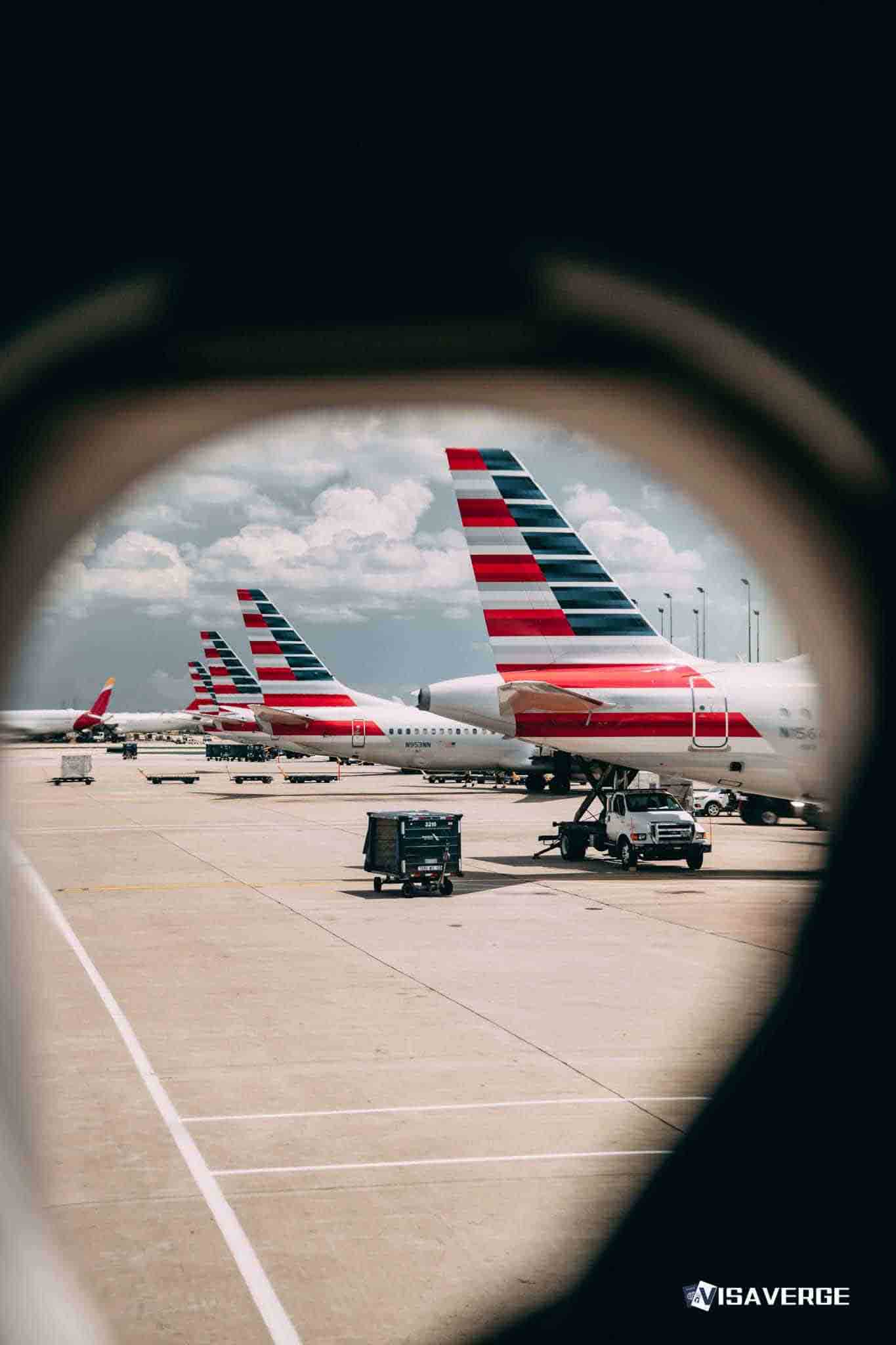
The flights were Air France Flight 28, bound for Papeete, and American Airlines Flight 1660, headed to Dallas/Fort Worth. The FAA has not explained why the first aircraft turned.
The FAA put the closest point at about 4,000 feet
The incident occurred at around 12:20 a.m. local time. The agency said the planes were about 4,000 feet apart at their closest point, and within 1,000 feet of the same altitude.
Tracking estimates describe different measurements. Wingbits data put lateral separation at 0.76 nautical miles, with vertical distance narrowing to about 300 feet when the aircraft were 1.6 nautical miles apart horizontally.
FlightRadar24 estimated about one nautical mile between them. Another estimate put vertical separation at roughly 400 feet. These figures use different measures or moments and should not be combined into one closest-point calculation.
Controllers redirected the A350 and held the American flight at 2,000 feet
AF28 left runway 24L for Papeete. About a minute later, AA1660 departed parallel runway 25R for Dallas/Fort Worth.
Air France had been cleared to fly the SUMMR2 departure. That route calls for aircraft leaving runways 24L/R and 25L/R to climb on a 251° heading to 640 feet before proceeding to assigned waypoints.
Instead, the A350 turned left toward the American flight’s departure path. The controller instructed the Air France crew to fly a 270-degree heading and told the American crew to maintain 2,000 feet.
The Air France pilots confirmed they had been assigned the SUMMR2 departure. The controller then told them:
“Possible pilot deviation. I have a number for you to call when you're ready.”
The American crew acknowledged the instruction to remain at 2,000 feet. The planes separated, and the controller later cleared AA1660 to climb to 17,000 feet with a 250-knot speed restriction.
The FAA has not identified why the aircraft turned
The agency says its findings are preliminary and its investigation is ongoing. Its account does not establish what prompted the turn.
Air France said its crew received a request from air traffic control to adjust the flight path shortly after takeoff and followed the instructions. The airline said the aircraft landed normally in Papeete at 5:59 a.m. local time.
Flight instructor Richard Levy offered a possible explanation, not an investigation finding. He said the crew may have programmed the wrong departure into the aircraft’s computer.
The LAX incident follows other reported departures from runway 24L that deviated from their expected paths. On October 20, 2026, a TAP Air Portugal A330-900 made an unexpected left turn after takeoff. On October 31, 2025, an ITA Airways A330-900 turned toward an American Airlines A321 departing runway 25R; the aircraft were reported 0.6 nautical miles apart horizontally at the same altitude.
The FAA investigation remains underway. Any explanation for the Air France turn will depend on its subsequent findings.