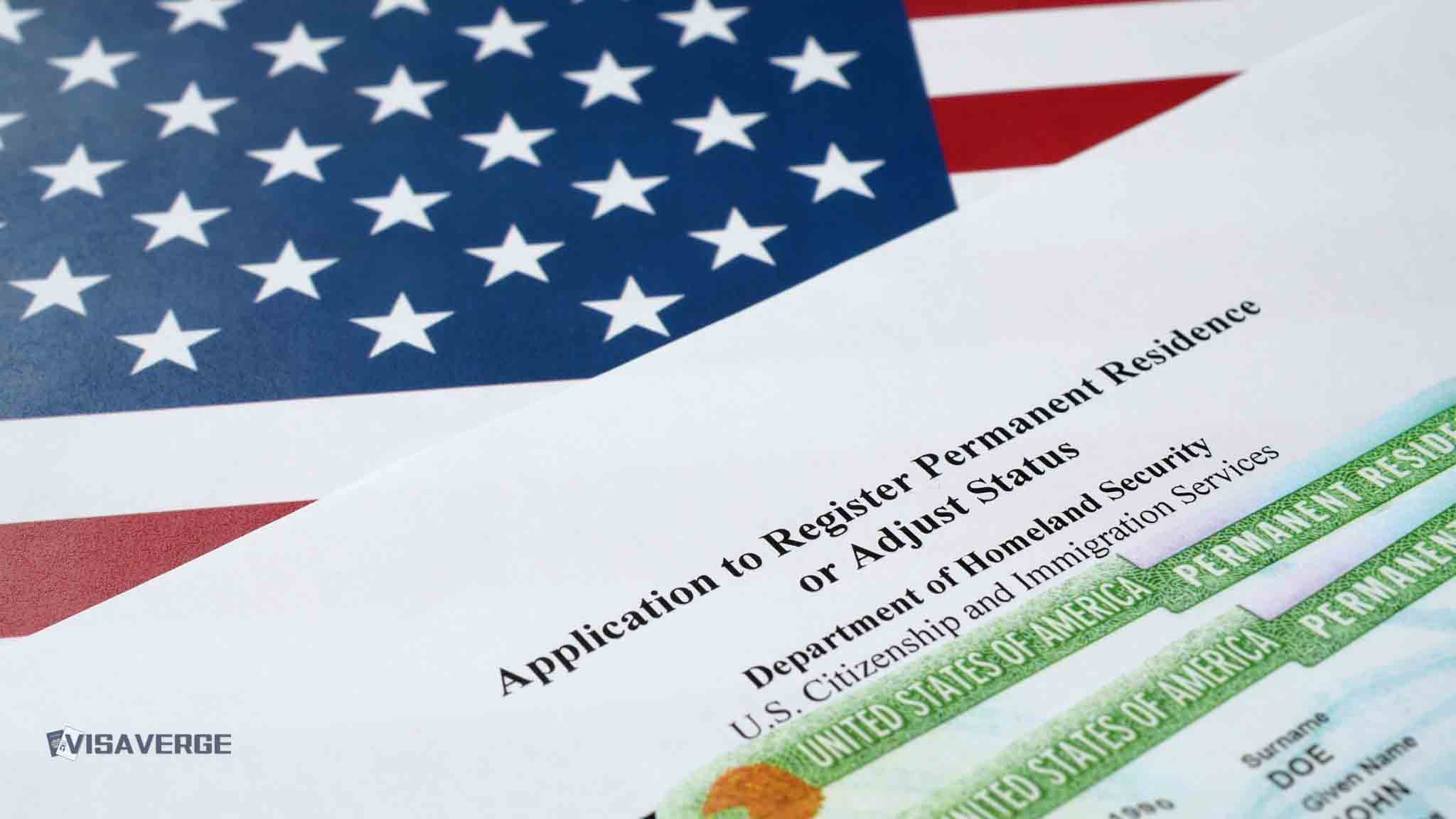
- RCUSA says more than 185,000 refugees eligible for green cards were affected by the processing freeze.
- Mailed notices receive three additional days under the rule, for a 13-day response period.
- IRAP says some refugees have entered removal proceedings after status termination.
Checked against govinfo.gov
A federal court in Massachusetts extended a temporary stay of the shortened refugee-status notice rule through December 4, 2026. The shorter response deadline is paused for now.
The order affects refugees who remain in refugee status and have not received permanent residence, including people with pending green-card cases. Their individual response deadlines remain unclear.
Refugee Council USA joined a lawsuit challenging the notice rule and the separate hold on I-485 adjustment-of-status applications. The stay does not restart green-card processing.
The court has not decided the lawsuit. Refugees and their families still face separate questions about pending applications, possible termination notices and what deadline would apply if a notice arrives.
The court has paused the shorter notice rule, not decided the case
The case, PANA v. Edlow, was filed in the U.S. District Court for the District of Massachusetts on October 26, 2026. The plaintiffs include RCUSA and refugee-serving organizations.
On November 2, the court extended its administrative stay and scheduled a motion hearing. The stay is temporary; it is not a final ruling on the plaintiffs’ claims.
The immediate issue is narrower than the lawsuit as a whole. The plaintiffs challenge several policies, while the temporary court action concerns the shortened notice procedure. It does not settle the legality of the green-card hold or determine the outcome of any individual case.
A green-card hold and refugee re-vetting affect different steps
USCIS announced a refugee re-vetting policy in November 2025, IRAP says. Separately, the agency has largely suspended adjudication of refugees’ pending green-card applications, according to RCUSA.
RCUSA says more than 185,000 refugees eligible for green cards have been affected by the processing freeze. The organization says the delay leaves applicants unable to complete the next step toward permanent residence.
DHS says the termination rule addresses people who may not have qualified as refugees when admitted. USCIS spokesperson Zach Kahler said:
“DHS is strengthening accountability and ensuring that refugee status is reserved only for those who were eligible under the law.”
The policies have personal consequences beyond application delays. Lida, an Afghan refugee, said she feared being sent back with her family. She also put off a college plan because part of her merit scholarship was limited to permanent residents and citizens.
“That feeling scares me. It’s always with you,” Lida said.
The hold, re-vetting and termination rule do not have identical reach. A pending green-card application does not itself mean a person has received a termination notice.
The termination rule covers refugees who have not adjusted status
The rule applies to people who remain in refugee status and have not adjusted to lawful permanent residence. It does not limit its reach to a particular nationality.
| Group | What changes for them | Timing or status |
|---|---|---|
| Refugees still in refugee status without permanent residence | A Notice of Intent to Terminate response period was cut from 30 days to 10 calendar days. A mailed notice adds three days, for 13 days measured from mailing. | The rule took effect October 14, 2026; the court has temporarily stayed it. |
| Refugees with pending green-card applications | Their adjudications have largely been suspended, a separate policy from the termination rule. | The court stay does not lift the processing hold. |
| Asylees, humanitarian parolees, Special Immigrant Visa holders and people protected through TPS | The rule does not directly change their procedures. | Their procedures are not changed by this rule. |
The legal basis for terminating refugee status concerns whether the principal applicant met the refugee definition at the time of admission. A later change in conditions in the person’s home country, by itself, is not the stated basis.
A notice proposing termination is not a final decision. A spouse or child admitted as a derivative may be affected if the principal’s status is terminated, but the rule does not make termination automatic for every derivative.
Some refugees have reached removal proceedings already
The risk is not only hypothetical. IRAP says some refugees entered removal proceedings after their status was terminated. It also says refugees were detained earlier because they had not yet received green cards, and that court orders blocked that detention policy in Minnesota and nationally.
A separate ICE-USCIS memorandum dated February 18, 2026, addressed detention of certain refugees who had not adjusted to permanent residence. The later notice rule concerns the process for proposed termination, not that separate detention policy.
Under INA § 207(c)(4), the termination question is whether a person was a refugee when admitted. RCUSA’s lawsuit alleges the administration’s policies expose refugees to expedited removal procedures that Congress did not authorize. That is a claim in the case, not a court finding.
If USCIS terminates refugee status, associated employment authorization ends. The termination itself is not a deportation order, though it may lead to removal proceedings where a person may seek forms of relief available in that process. USCIS does not provide an administrative appeal of a termination decision.
Notice recipients should verify their individual deadline promptly
The stay makes it especially important not to assume that the shorter period automatically governs a notice received during the pause. The court has not specified how the stay applies to each notice. The deadline for a particular case remains unsettled.
A person who receives a notice should act promptly:
- Contact an immigration lawyer with the notice and relevant immigration records, and ask which deadline applies under the current court order.
- Review possible responses with counsel. The rule allows written evidence, an interview request, or both; a timely interview request can count as a response under the rule.
- Keep the proposed termination stage distinct from a final decision. If USCIS issues a termination decision, there is no administrative appeal, though removal proceedings are a separate process.
- People wishing to comment on the interim final rule may submit comments under docket USCIS-2026-0397 by November 13, 2026.
The next court hearing is scheduled for November 24, 2026. Notice recipients should take their documents to an immigration lawyer promptly and verify the deadline that applies to their own case.
This article provides general information and is not legal advice. Consult a qualified immigration attorney about your specific case.