Houston Mayor John Whitmire Limits Police Cooperation with ICE
The November 6 directive bars police from prolonging detention or taking someone into custody based only on immigration-enforcement status, while the precise warrant-related trigger remains unclear.
At a glance
- Police planned five days of shift-roll-call readings, followed by another reminder about a month later.
- The prior policy led to 17 handoffs to immigration authorities from July through September.
- Three council members are seeking an ordinance; the city legal department has one week to review it.
Reviewed November 10, 2026
Houston Police Chief J. Noe Diaz said the department will contact U.S. Immigration and Customs Enforcement only when someone commits a jailable offense. Mayor John Whitmire issued the directive on Friday, November 6, 2026.
The two-page order says immigration-enforcement status alone cannot justify contacting ICE, extending a detention or taking someone into custody. It also bars holding a person on that basis alone.
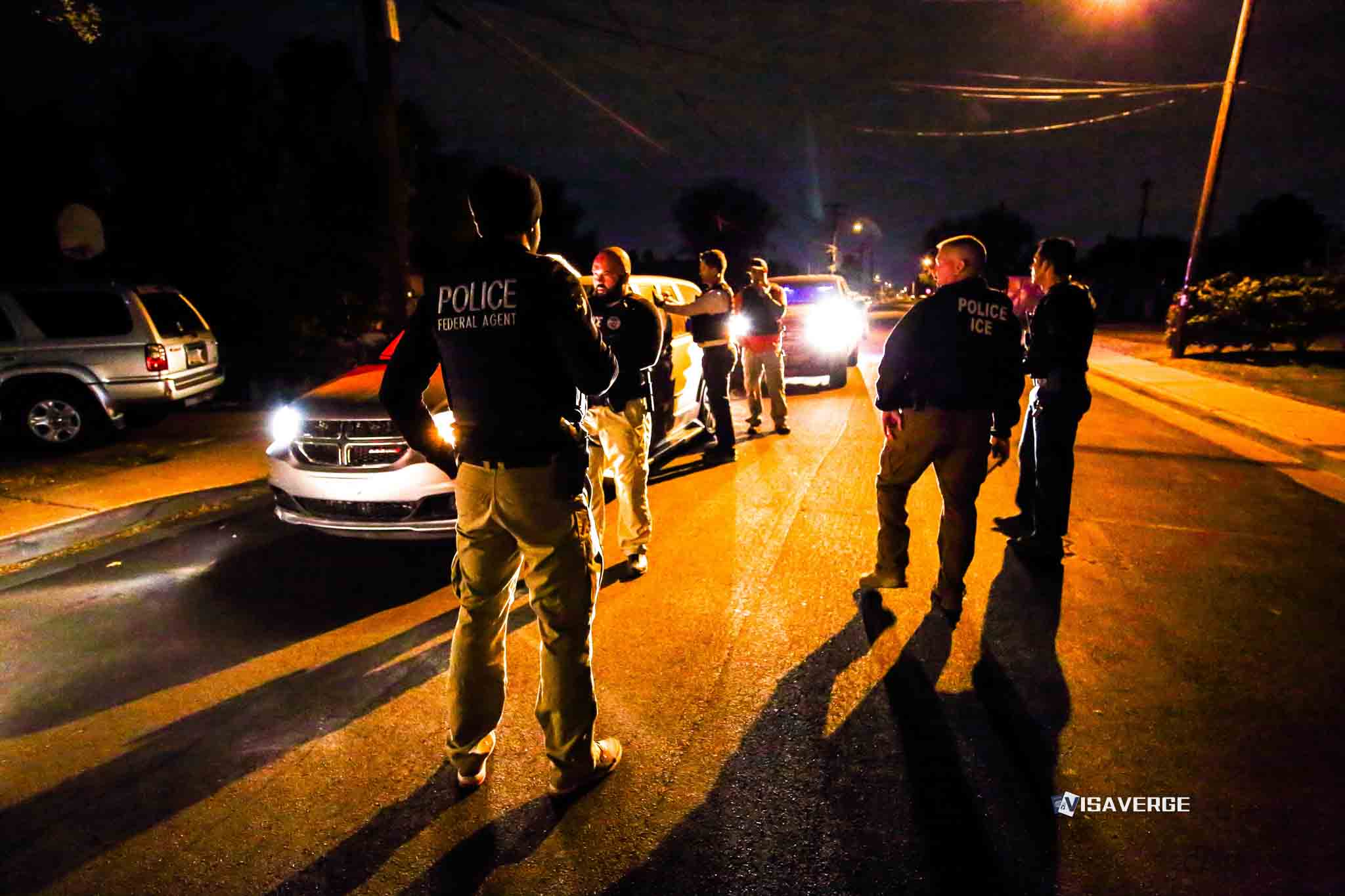
The mayor tied the change to the November 3 election. He said, “I've said many times, elections matter,” and added, “I also do this knowing elections matter.”
A routine stop no longer automatically brings an ICE alert
The order’s described limits would mean a person cited for a minor traffic matter and released would not be held for ICE based on a civil warrant. A civil warrant alone is not a reason to contact the agency.
The precise exception is less clear. A summary of the directive describes ICE contact when someone is arrested for a jailable offense or has an administrative immigration warrant. Chief J. Noe Diaz, however, said, “The message is clear. ICE will only be contacted if someone commits a jailable offense.”
Whitmire’s order directs HPD to contact ICE only when a person is arrested for a jailable offense or when ICE issues an administrative warrant.
An administrative immigration warrant is issued by immigration officials. It is different from a criminal warrant signed by a judge. The order does not end federal enforcement in Houston; ICE can conduct its own operations.
The department distributed the directive across the force, Diaz said, and planned to read it at shift roll calls for five days. Officers will receive another reminder in about a month. He said the department has never participated in a 287(g) agreement.
The order follows a reversal after the governor-elect’s victory
Gina Hinojosa is governor-elect after Democrats’ November 3, 2026, midterm-election victory and is set to take office in January. Abbott remains governor until then. Whitmire said he had consulted newly elected statewide officials and that “SB 4 is not a priority of the new statewide elected officials.”
The change reverses the city’s earlier approach. In April 2026, the City Council adopted an ordinance limiting cooperation with ICE. Abbott threatened to withhold about $110 million in public-safety grants, and Texas Attorney General Ken Paxton sued, alleging the measure violated the 2017 state law known as SB 4.
The city then rescinded and revised the ordinance. Under the preceding police policy, officers contacted ICE about administrative warrants and waited a “reasonable” time for agents, sometimes more than an hour. From April through September, officers contacted ICE nearly 200 times, including at least 36 direct handoffs, according to the city’s first two reports. From July through September, the department handed 17 people to immigration authorities under that policy.
Advocates welcomed the change as council weighs making it permanent
Cesar Espinosa, executive director of Houston immigrant-rights group FIEL, said the shift brought a “sigh of relief” to immigrant communities worried that police might refer them to ICE. Houston Controller Chris Hollins called it a first step but criticized its timing.
ICE said it was disappointed, arguing that local cooperation supports law enforcement. The Department of Homeland Security also objected, saying local partnerships give ICE needed resources.
The directive comes amid public tension over immigration enforcement. Protests in Houston followed a fatal shooting and a separate vehicle incident. Morales was indicted in connection with the events, while ICE disputed prosecutors’ account of the vehicle incident.
Council members Alejandra Salinas, Edward Pollard and Tiffany Thomas are pursuing an ordinance to codify the executive order, using Proposition A, a 2023 charter amendment that lets three council members place items on the agenda. Pollard said their proposed language is “the exact same.” The proposal would also expand quarterly police reports to include the basis for each jail booking, whether people with civil warrants were witnesses, victims or suspects, and a summary of each incident.
The city legal department has one week to review the proposal. Salinas said a council vote could come within weeks. Whitmire’s office said the mayor stands by the executive order and believes adding provisions could put the city at greater risk under state law.
Keep reading
More in DACA → DACA · Nov 11
CCIA Backs H-1B Grace Period as DHS Proposed Rule Draws Scrutiny
What would ending the H-1B grace period mean for workers and employers? See CCIA’s cost estimate, the proposal’s status, and steps to prepare.
 DACA · Nov 11
U.S. Halts Iran Deportation Flight in Mesa, Arizona After Detainees Reach Tarmac
 DACA · Nov 11
House Democrats File Discharge Petition to Force Vote on Afghanistan TPS Act of 2026
 DACA · Nov 11
Kansas City Immigrant Children Face Deportation Risk as Special Immigrant Juvenile Status Cases Hit Removal Proceedings