Jeffries Backs Discharge Petition to Force House Vote on American Dream and Promise Act
Jeffries wants a Republican to help force a House vote on H.R. 1589; a reported count puts the petition near its threshold, but does not provide a floor date.
At a glance
- Title I includes a proposed continuous-presence test dating to January 1, 2021.
- Title II covers certain nationals linked to TPS or Deferred Enforced Departure designations.
- The bill would need House and Senate approval before reaching the president.
Reviewed November 10, 2026
House Democratic Leader Hakeem Jeffries called for one Republican to sign the American Dream and Promise Act petition, which could force a House vote on H.R. 1589. The proposal could create routes to lawful permanent residence for eligible Dreamers and people with temporary protections, but it has not become law.
Speaking on November 9, Jeffries said he was seeking one more signature from across the aisle.
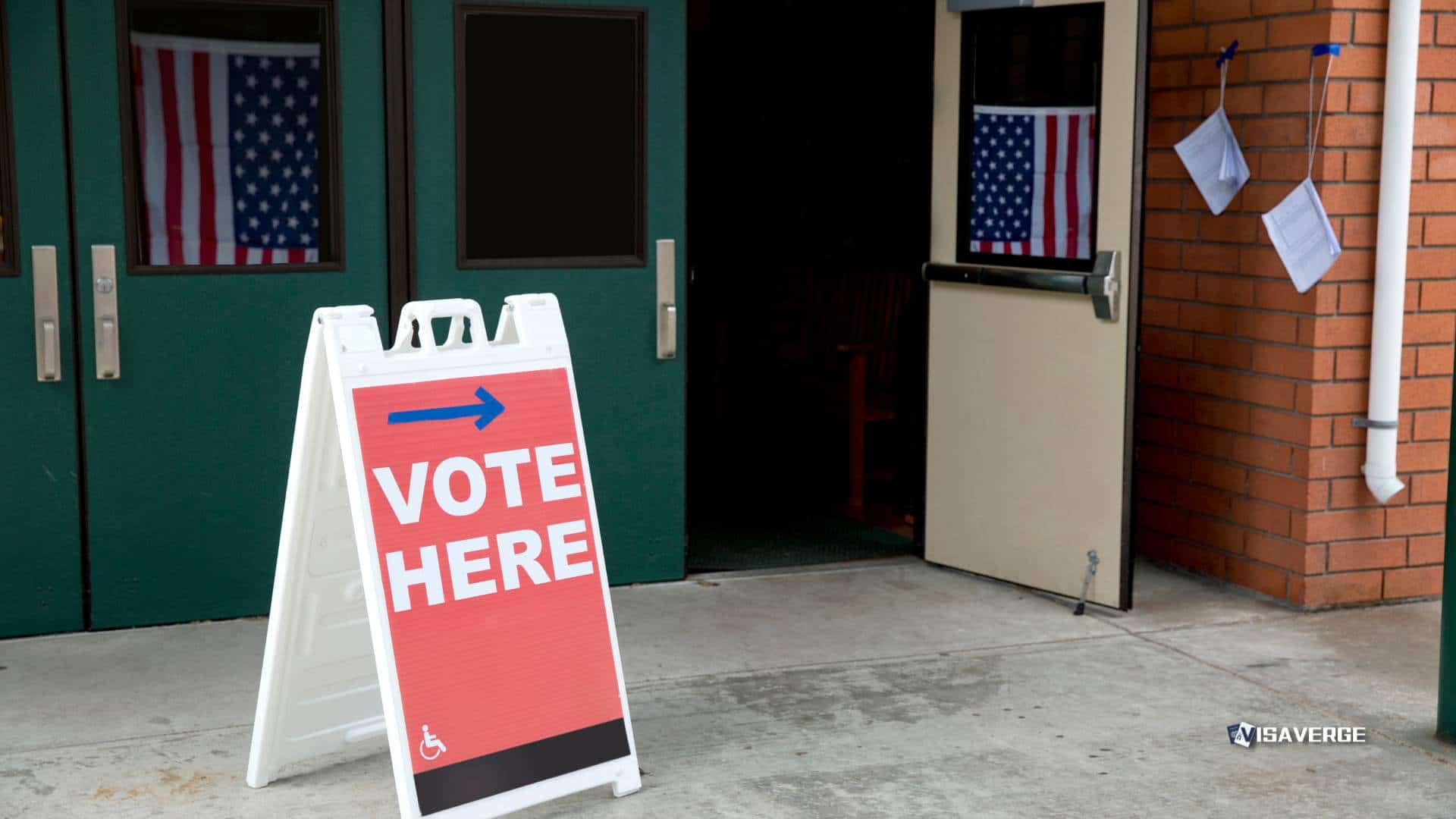
“Hopefully some of our colleagues on the other side of the aisle will be willing to do that work, perhaps beginning with one additional signature that we need to force a vote on the Dream and Promise Act from a Republican.”
A November 8 action alert from Maryknoll listed 217 signatures, one short of the 218 needed. The count came from the organization, not an official House Clerk tally.
Jeffries did not give a date for a floor vote. Reaching the signature threshold could bring the bill to the floor by bypassing House leadership, but the count itself does not schedule a vote.
The proposal offers different routes for childhood arrivals and TPS or DED recipients
The bill would create proposed pathways to lawful permanent residence for some Dreamers and people with temporary protections. Those provisions would apply only if Congress passes the measure and it becomes law. They do not open a new application process now.
Title I, the Dream Act portion, covers specified long-term residents who came to the United States as children. One proposed condition is continuous physical presence in the country since January 1, 2021.
Title II, the American Promise Act portion, addresses adjustment of status for certain nationals of countries designated for Temporary Protected Status or Deferred Enforced Departure. The proposal therefore reaches beyond people with DACA, though eligibility would depend on its detailed terms.
Jeffries has described the measure as a starting point for further immigration work. He has said the House and Senate should advance it as a foundation for broader efforts.
A House vote would still leave two chambers to clear
A successful petition would force consideration, not enact the bill. The House and Senate would both have to pass it before it could go to President Donald Trump.
Trump has signaled openness to immigration talks. The House Freedom Caucus, meanwhile, rejected potential amnesty efforts. Those positions frame the debate over whether the proposal could win support beyond the signature needed to reach the floor.
Jeffries has also tied immigration negotiations to federal deportation funding. He said Democrats “are not going to give a dime to the administration's violent mass deportation machine.” His statement reflects a broader dispute; it does not establish how lawmakers would vote on this bill.
DACA families and advocates are pressing for movement
Karla Salaya, a DACA recipient from Edinburg, Texas, has described the uncertainty that returns with each renewal cycle. She said the bill could affect her children as well as her own future.
“It will mean the future for my four children, who rely on me”
In an October appeal, Estefania Reyna, an organizer with La Union del Pueblo Entero, said Reps. Vicente Gonzalez and Henry Cuellar had signed and urged Rep. Monica De La Cruz to join them. De La Cruz’s office said she was not a co-sponsor of the proposal and backed the Dignity Act instead.
Maryknoll’s later tally put the petition closer to its threshold than Reyna’s October account. Neither the tally nor Jeffries’ appeal identifies a vote date, and a request for a Republican signature does not show that a particular member will sign.
The House Clerk’s petition record can show signature status. The House floor schedule will show whether and when the bill is called for a vote.
Keep reading
More in DACA →