- The Supreme Court allowed construction to resume in the Big Bend Sector while the legal challenge continues.
- The stay pauses Judge Kathleen Cardone’s injunction but does not decide the case or settle the legality of the waivers.
- If the Court denies review, the stay ends automatically and the injunction again restricts construction.
The Supreme Court on November 9, 2026, stayed a federal injunction blocking border construction in the Big Bend Sector of southwest Texas, allowing work to resume while the legal challenge continues. The order affects federal contractors and the communities, landowners and park users in the project area.
It pauses, but does not reverse, U.S. District Judge Kathleen Cardone’s October 2, 2026, injunction. The challengers are the Center for Biological Diversity, Friends of the Ruidosa Church and Danny Miller, a river guide and landowner. The dispute continues.
The unsigned order did not finally decide whether the government can lawfully use waivers to bypass environmental and conservation requirements. Nor did it resolve whether the sector meets the legal standard of an area of high illegal entry.
The stay covers regional work, not a planned pedestrian wall inside the park
Cardone’s injunction barred the Department of Homeland Security from proceeding with construction until the government complied with environmental and other applicable laws. The Supreme Court stayed that restriction, so work covered by the injunction may proceed while the case moves forward.
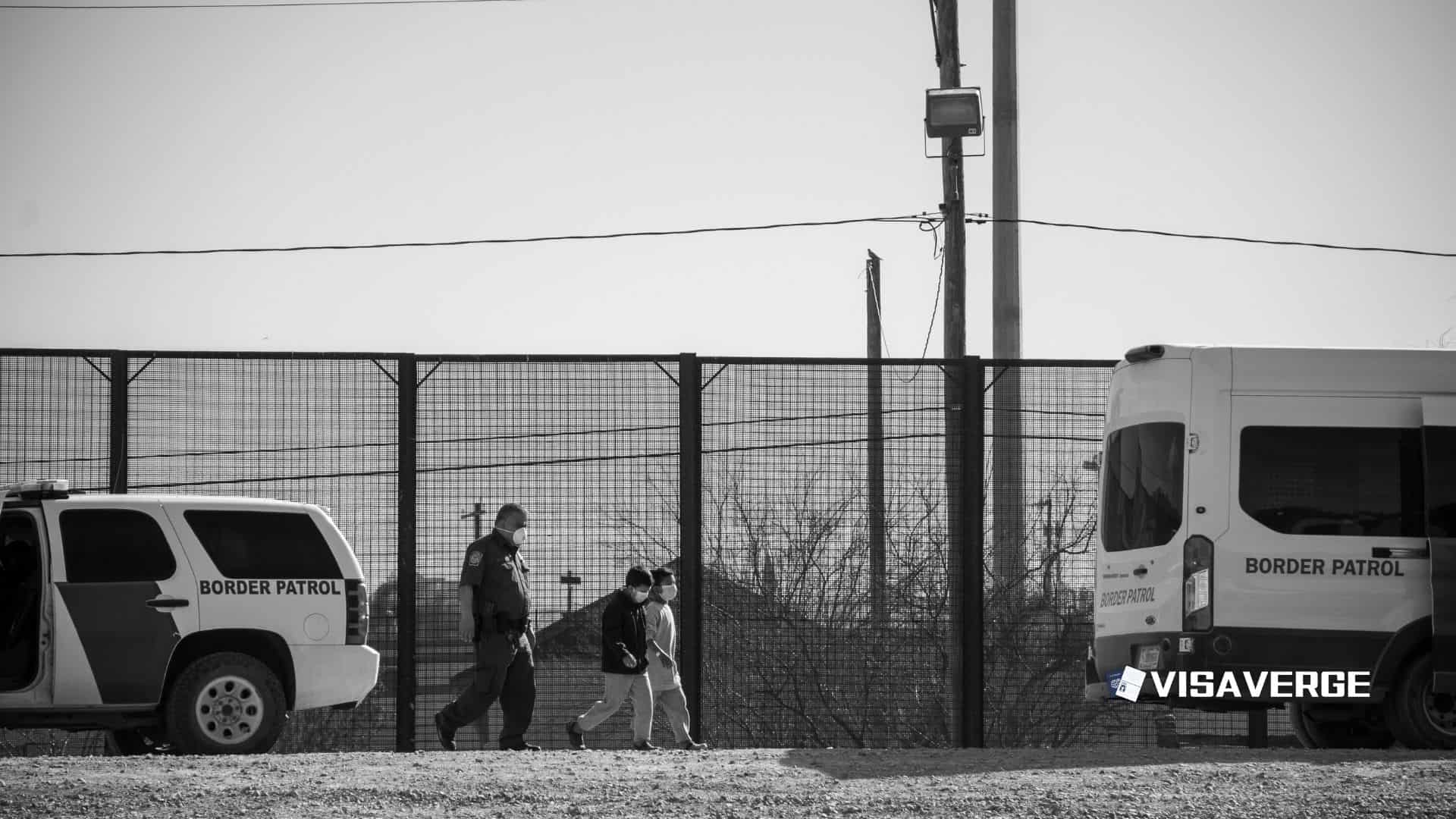
The construction is broader than a single wall. Government filings describe 341 miles of barriers and roads. The Border Patrol sector, by contrast, covers about 517 miles, with a wider program of roads, cameras, vehicle barriers and sensors described as stretching more than 500 miles. Those figures describe different project boundaries.
Inside Big Bend National Park, the administration has backed away from plans for a 30-foot pedestrian wall. Customs and Border Protection says work there includes patrol roads, surveillance equipment and approximately 17 miles of noncontiguous vehicle barriers. Thirty-foot steel barrier panels are planned in some areas outside the park.
Five federal contracts for the program are worth about $7.5 billion. The stay removes the immediate court-ordered halt, but it does not guarantee that crews are already working at every location.
The Court focused on jurisdiction as challengers disputed the security rationale
The Supreme Court said the federal judge who issued the injunction had no authority to do so. It assessed the government as likely to prevail on that jurisdictional argument. The order did not decide whether the sector qualifies as an area of high illegal entry.
The dispute concerns three waivers of environmental and conservation laws. Then-Homeland Security Secretary Kristi Noem issued one in February 2026; her successor, Markwayne Mullin, issued additional waivers in May and July. They relied on a 1996 immigration law that gives the secretary authority to waive legal requirements to expedite border construction.
Cardone had concluded that the waivers lacked clear congressional authorization and invoked the major-questions doctrine. She also questioned the government’s characterization of the region as an area of high illegal entry. The Supreme Court said the doctrine is a tool for interpreting statutes, not a constitutional right.
The government cited border security and the cost of the injunction. A declaration by a Customs and Border Protection official, cited by the Court, said the halt was costing nearly half a million dollars per day. The Court wrote: “The Government’s interest therefore outweighs any aesthetic, recreational, and environmental harm alleged by respondents.”
The government said more than 89,000 people were apprehended entering the United States in the sector between 2021 and 2025, and that about 15 percent of drugs seized along the border in recent years were recovered there. The challengers countered that the area had the fewest apprehensions among the border’s six sectors, about 2 percent of the total, and less than 1 percent of non-marijuana drug seizures. They also argued that construction could damage wildlife habitat, historic sites and the landscape. Those competing claims remain unresolved.
Justice Ketanji Brown Jackson was the only noted dissenter. She would have denied the government’s request but did not explain her position in a separate opinion.
The stay could end if the justices decline review
The stay remains effective while the government timely files a petition asking the Supreme Court to review the case and the justices decide whether to take it. The order sets no filing date in the material provided here. If the Court denies certiorari, the stay ends automatically and Cardone’s injunction again restricts construction. If the justices grant review, construction can continue under the stay until the Court issues a final ruling.
The order does not provide a formal case name or docket number. The dispute involves the three challengers and the federal government in the Western District of Texas case; the Supreme Court’s next decision on review will determine how long the temporary arrangement continues.
This article provides general information and is not legal advice. Consult a qualified immigration attorney about your specific case.