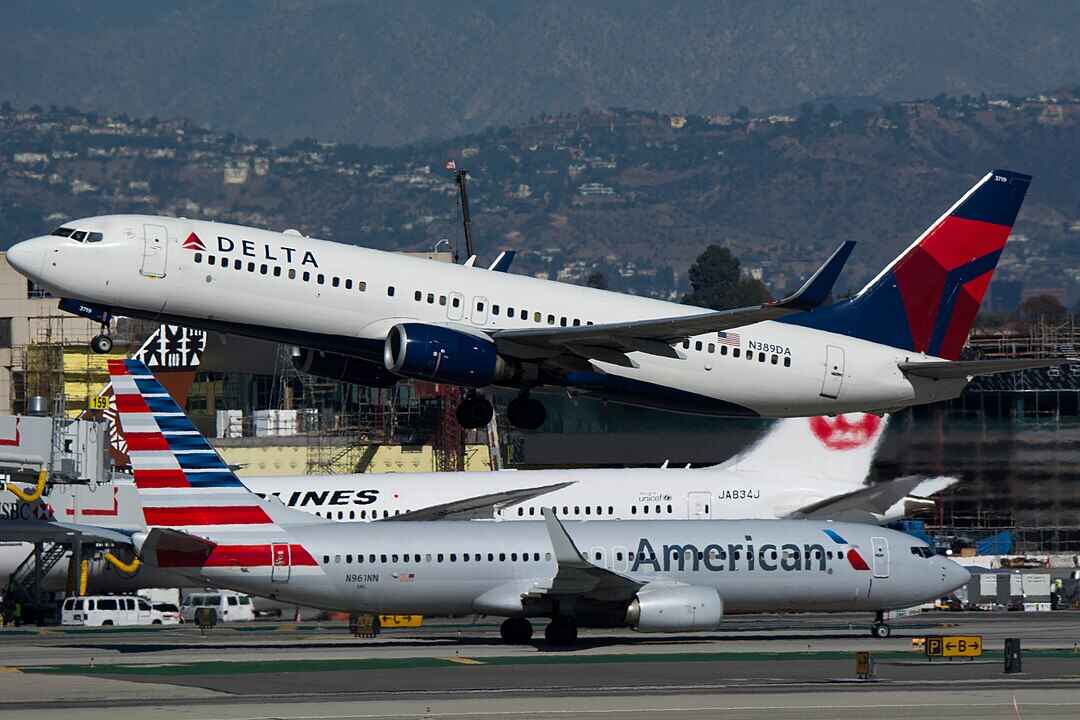
- Two Delta jets narrowly avoided a mid-air collision near Atlanta’s Hartsfield-Jackson airport on Monday night.
- Onboard safety systems triggered emergency avoidance alerts after aircraft came within eighteen hundred feet horizontally.
- The FAA launched an official investigation into air traffic control instructions and the aborted landing sequence.
Delta Flight 1568 and Delta Flight 2472 came within 1,800 feet horizontally and 600 feet vertically Monday night at Hartsfield-Jackson Atlanta International Airport, after the arriving aircraft climbed away from a runway conflict and crossed toward the departing jet. The incident triggered anti-collision alerts in both cockpits and forced a go-around before the crews restored separation.
The FAA opened an investigation Wednesday into the air traffic control instructions and the sequence that put the aircraft on converging paths. Both planes landed safely, and no injuries were reported.
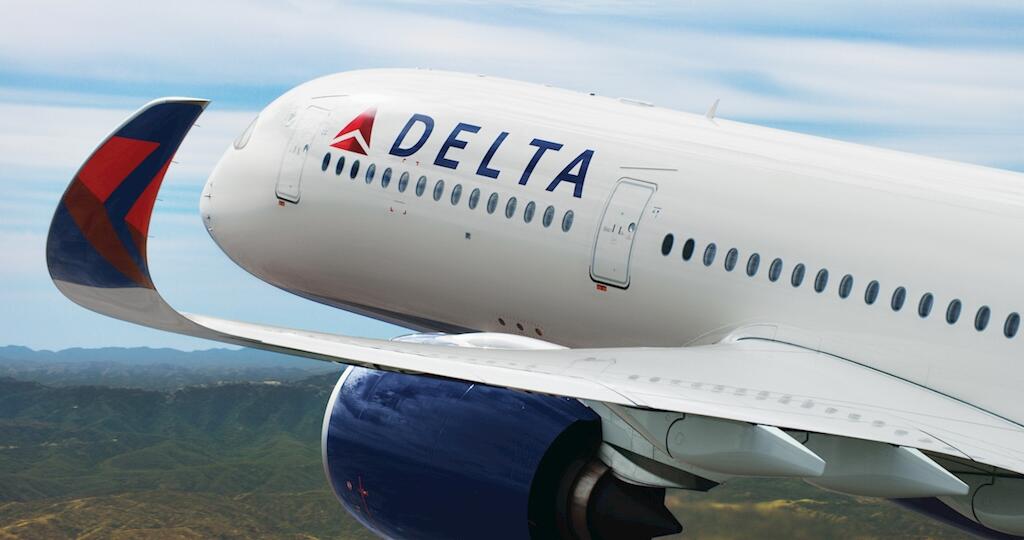
Flight 1568, a Boeing 737-900, was approaching Atlanta from Pittsburgh after diverting to Chattanooga, Tennessee, for two hours because of severe weather. Flight 2472, an Airbus A321, was preparing to depart for Rochester, New York.
The incident occurred at about 11:00 p.m. EDT on July 27, 2026. Each aircraft carried approximately 150 passengers and six crew members.
The FAA said Flight 2472 crossed in front of Flight 1568 after the arriving crew initiated the maneuver because another aircraft had not fully exited the runway. Controllers then directed both aircraft away from the developing conflict, while the cockpit warning systems supplied immediate avoidance instructions.
One pilot’s transmission captured the uncertainty in the cockpit: “Somebody on the runway?” Later, the pilot said, “Delta 1568, going around.” A voice also exclaimed, “My goodness,” as the warnings sounded.
Delta said the crew followed established procedures and that its pilots train for uncommon situations. The airline said it would “fully cooperate with authorities on any review.”
The arriving crew saw traffic still occupying the runway
Flight 1568 approached Runway 26R when its pilot saw a Frontier Airlines aircraft moving slowly to clear the runway. The pilot abandoned the landing and began climbing away from the airport.
The aircraft’s earlier diversion had already extended the journey. Severe weather sent the flight to Chattanooga, where it remained for two hours before continuing toward Atlanta.
As the Boeing climbed, controllers cleared Flight 2472 for takeoff from parallel Runway 26L. The two aircraft then received instructions to turn right and climb to 4,000 feet, placing them on a converging track.
The crews responded to TCAS Resolution Advisories, or RAs, in both cockpits. Those automated instructions directed the pilots’ immediate actions and helped reestablish safe spacing.
| Flight | Aircraft | Movement | Route | Runway | Approximate people aboard |
|---|---|---|---|---|---|
| Delta 1568 | Boeing 737-900 | Arriving | Pittsburgh to Atlanta | 26R | 150 passengers and six crew members |
| Delta 2472 | Airbus A321 | Departing | Atlanta to Rochester | 26L | 150 passengers and six crew members |
The planes eventually separated and continued their operations. Flight 1568 landed safely in Atlanta on its second approach, while Flight 2472 continued to Rochester.
The FAA is examining the controller instructions
The agency is reviewing radar data and air traffic control audio to determine why both aircraft received the same right-turn and altitude direction during the conflict. Investigators are also examining how the runway traffic and the aborted landing were communicated.
The FAA described the event as a case in which the departing aircraft crossed in front of the arriving flight. Its statement said the arriving plane had taken the action because another aircraft was slow to leave the same runway.
The inquiry comes during a period of heavy summer operations at Atlanta. Storms produced a backlog of flights, along with dozens of diversions and delays, adding pressure to one of the country’s busiest airports.
The precise role of the controller instructions remains under review. The aircraft’s collision-avoidance systems, rather than a new clearance, supplied the final maneuvering guidance that separated the planes.
Delta said, “During the go-around, the flight crew operated in accordance with established protocols while ensuring safe operations.” The airline also said, “Our crews receive extensive training to manage unusual situations like this.”
The incident follows other warnings about air traffic pressure
The Atlanta event has renewed attention on runway-incursion alert technology. The NTSB has called for faster deployment of systems designed to warn controllers and flight crews about aircraft or vehicles occupying runways.
FAA Administrator Bryan Bedford testified before Congress earlier in 2026 about similar close calls in Boston and Washington D.C. He said the agency was monitoring “signs of stress in the system” amid air traffic controller staffing shortages.
The FAA’s Atlanta review will focus on the coordination between parallel runway operations, the aircraft that had not yet vacated 26R, and the instructions issued after Flight 1568 began climbing. The cockpit alerts prevented the two Delta aircraft from remaining on the same path.
Passengers on Flight 1568 had already endured the weather diversion and the delay in Chattanooga before the sudden maneuver near Atlanta. Some people in the forward cabin could hear the cockpit warnings.
The FAA investigation will use the recorded transmissions and radar track to reconstruct the aircraft’s movements at their closest point. The separation measured about 1,800 feet side to side and 600 feet vertically.