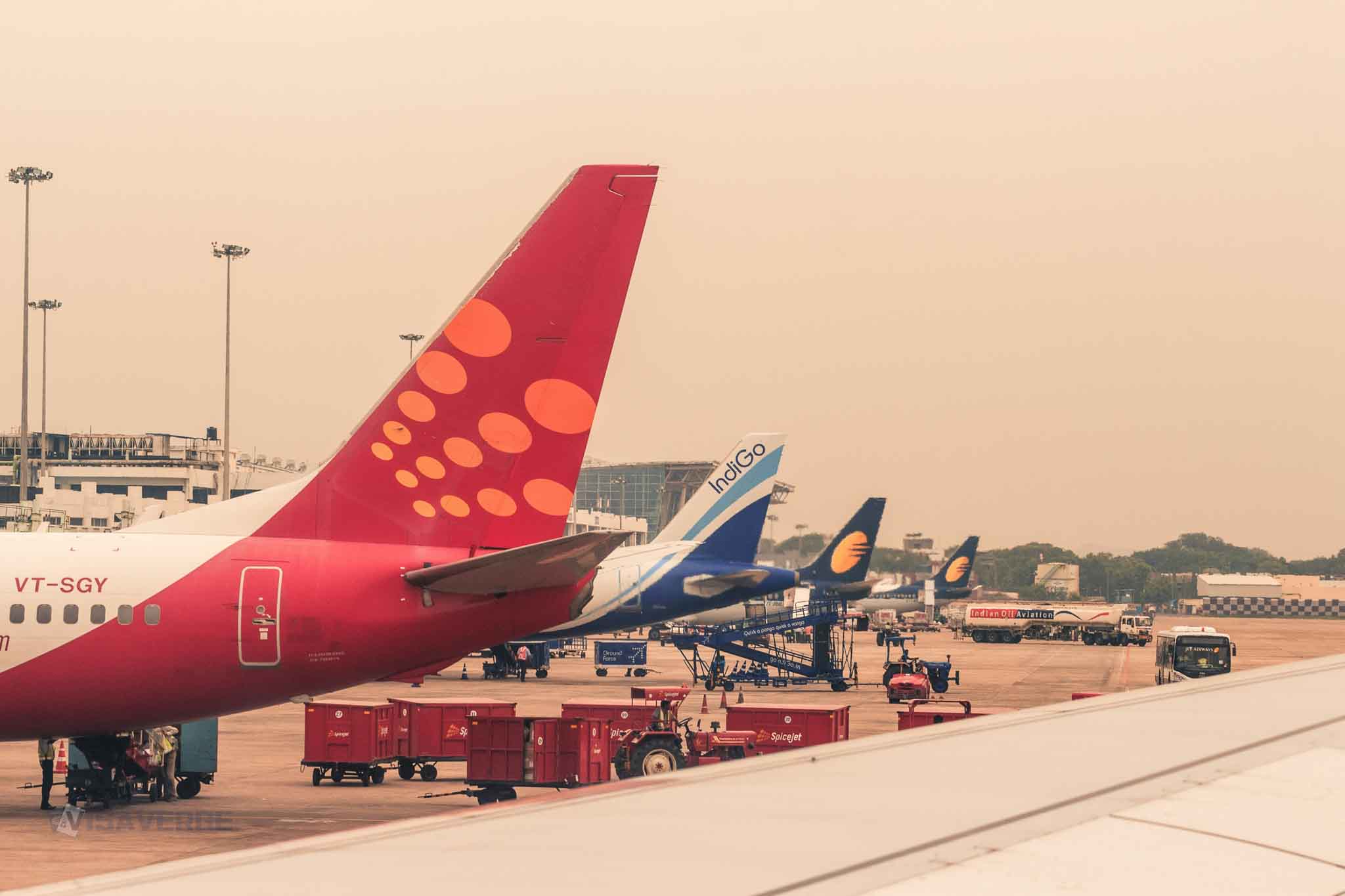
- The FAA opened a new investigation October fifteenth into a possible close call between an American Airlines Airbus A321 and a military aircraft near Washington, D.C.
- Investigators will assess aircraft separation and whether controller or pilot actions contributed; no injuries, damage, or crash have been reported.
- A 2025 collision that killed sixty-seven people led to safety changes, while recommendations and aviation legislation remain unfinished.
The FAA opened an investigation on October 15, 2026, into a possible close call between an American Airlines Airbus A321 and a military aircraft near Washington, D.C. The encounter occurred in airspace managed by Potomac Consolidated TRACON, which directs terminal traffic around Ronald Reagan Washington National Airport and other Washington-area airports.
Investigators will determine how close the aircraft came. They are also assessing whether air-traffic-control procedures or pilot actions contributed.
No crash, injury or aircraft damage has been reported from the encounter. The agency has not announced a finding on what happened.
The new probe comes as investigators and lawmakers continue to examine safety in the region. A fatal collision near Reagan National exposed gaps in communication, routing and equipment.
A fatal 2025 collision made separation near Reagan a focus
On January 29, 2025, American Eagle Flight 5342 collided with an Army UH-60L Black Hawk over the Potomac River near Ronald Reagan Washington National Airport. The crash killed all 67 people aboard the two aircraft.
It was the deadliest U.S. commercial aviation accident in nearly 25 years. The Army finalized its investigation in May 2026 and released the report on October 8, 2026. Investigators concluded that “breakdowns across all layers of conflict management caused this accident.”
The report pointed to risks that converged in the same airspace: a helicopter route near the jet’s approach, compromised radio transmissions and failures to communicate the aircrafts’ positions. It also documented shortcomings in equipment and training.
The Army linked the crash to communication, routing and equipment failures
Two compromised radio transmissions ranked as the report’s most important contributing factor. The helicopter crew did not recognize the approaching passenger jet, investigators found.
The route left just 75 feet (23 meters) of vertical separation from an aircraft landing on the airport’s secondary runway, provided the helicopter stayed near the riverbank. Night-vision goggles and Washington’s city lights also limited visibility.
The Black Hawk was not transmitting ADS-B Out. It also lacked its own traffic-alert-and-collision-avoidance system, and its barometric altimeter was unreliable.
An air-traffic controller did not give the helicopter crew more precise information about the airliner’s position, the report found. The controller also failed to warn the jet’s pilot about the helicopter. Investigators cited too few helicopter flight hours, equipment problems and inadequate preparation for dense urban airspace.
At approximately 8:47:59 p.m. Eastern Time on January 29, a controller told the helicopter to pass behind the airliner and turn left. The Black Hawk did not change course enough to avoid the collision.
The helicopter crew included Capt. Rebecca Lobach, who was undergoing an annual flight evaluation; Chief Warrant Officer Andrew Loyd Eaves, the co-pilot and evaluator; and Staff Sgt. Ryan O’Hara. The report said “the layers of structural, procedural and technical risk mitigation failed to prevent a collision.”
The Army and FAA changed operations after the crash
The agency closed helicopter Route 4 along the Potomac and restricted helicopter operations around Reagan National. It also barred controllers from depending on pilots to maintain visual separation in congested airspace.
The Army inspected and reconfigured 3,585 helicopters after discovering that the crashed Black Hawk’s ADS-B Out system had not worked for an extended period. It broadened helicopter-safety reviews to Los Angeles and the Seattle–Tacoma region.
The National Transportation Safety Board said it welcomed progress on seven of the Army’s eight safety recommendations. About one-third of recommendations directed to the agency remained unimplemented.
Officials are still pressing over technology and unfinished recommendations
Bryan Bedford, the agency’s administrator, has faced questions from Congress about its response to safety recommendations tied to the crash. U.S. Transportation Secretary Sean Duffy defended the FAA and Transportation Department’s use of an artificial-intelligence airspace-management tool.
“Here’s the truth: HUMANS still control the airspace and HUMANS still make the calls.”
Sen. Ted Cruz, a Republican of Texas and chairman of the Senate Commerce Committee, said of the Army’s safety findings: “Had this been in place, 67 lives would have been saved in January 2025.”
Lt. Gen. Michael C. McCurry, the lead Army investigator, wrote that the Army should require aircraft flying in heavily populated areas to receive ADS-B In traffic data. The recommendation came amid continued scrutiny of how military aircraft share traffic information with other aircraft.
The House and Senate passed separate aviation-safety bills, but lawmakers had not agreed on a final measure as of October 15, 2026. Tim Lilley, a former Army Black Hawk pilot whose son Sam Lilley was first officer on Flight 5342, said the Army report left important questions unanswered.