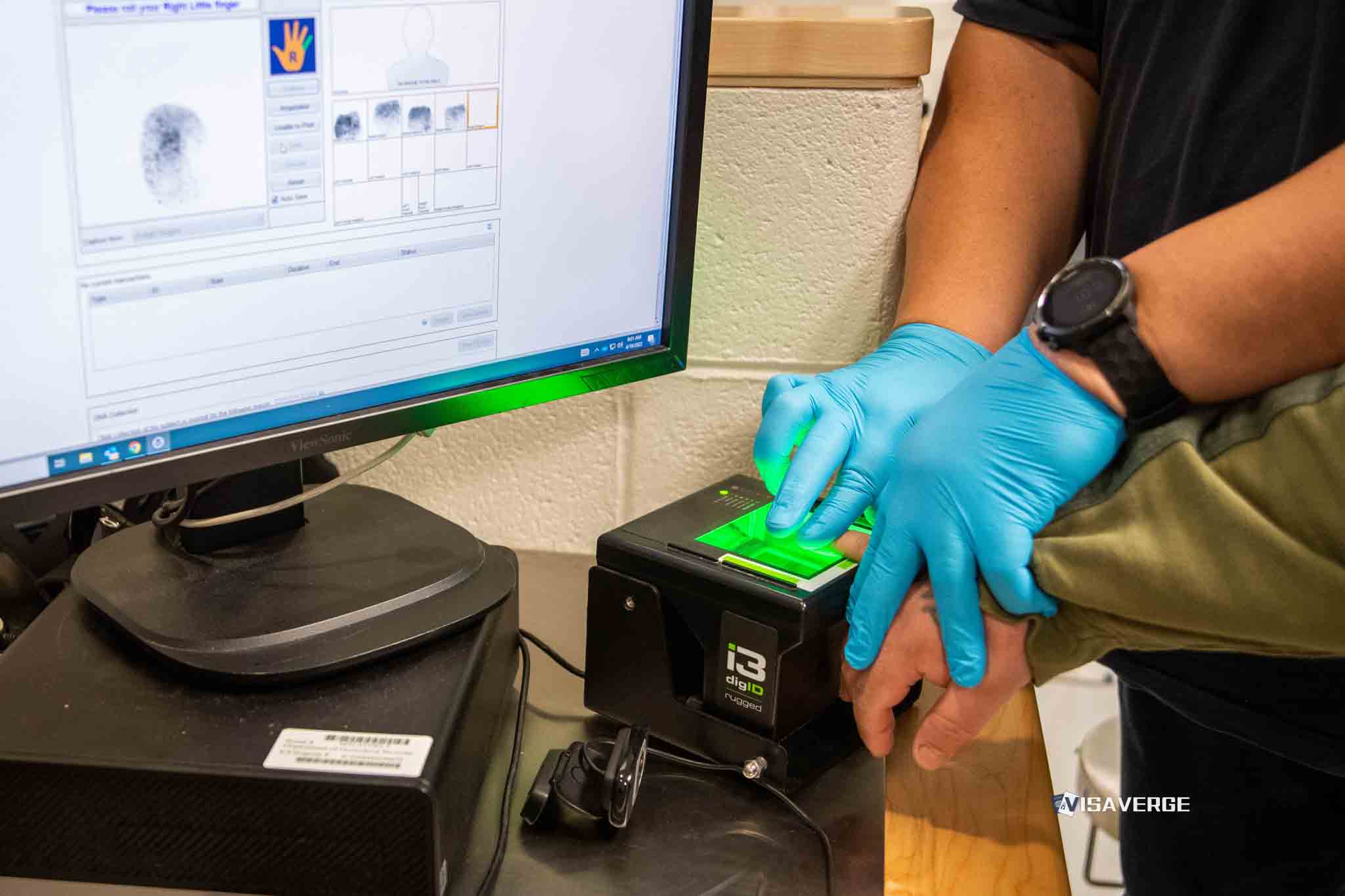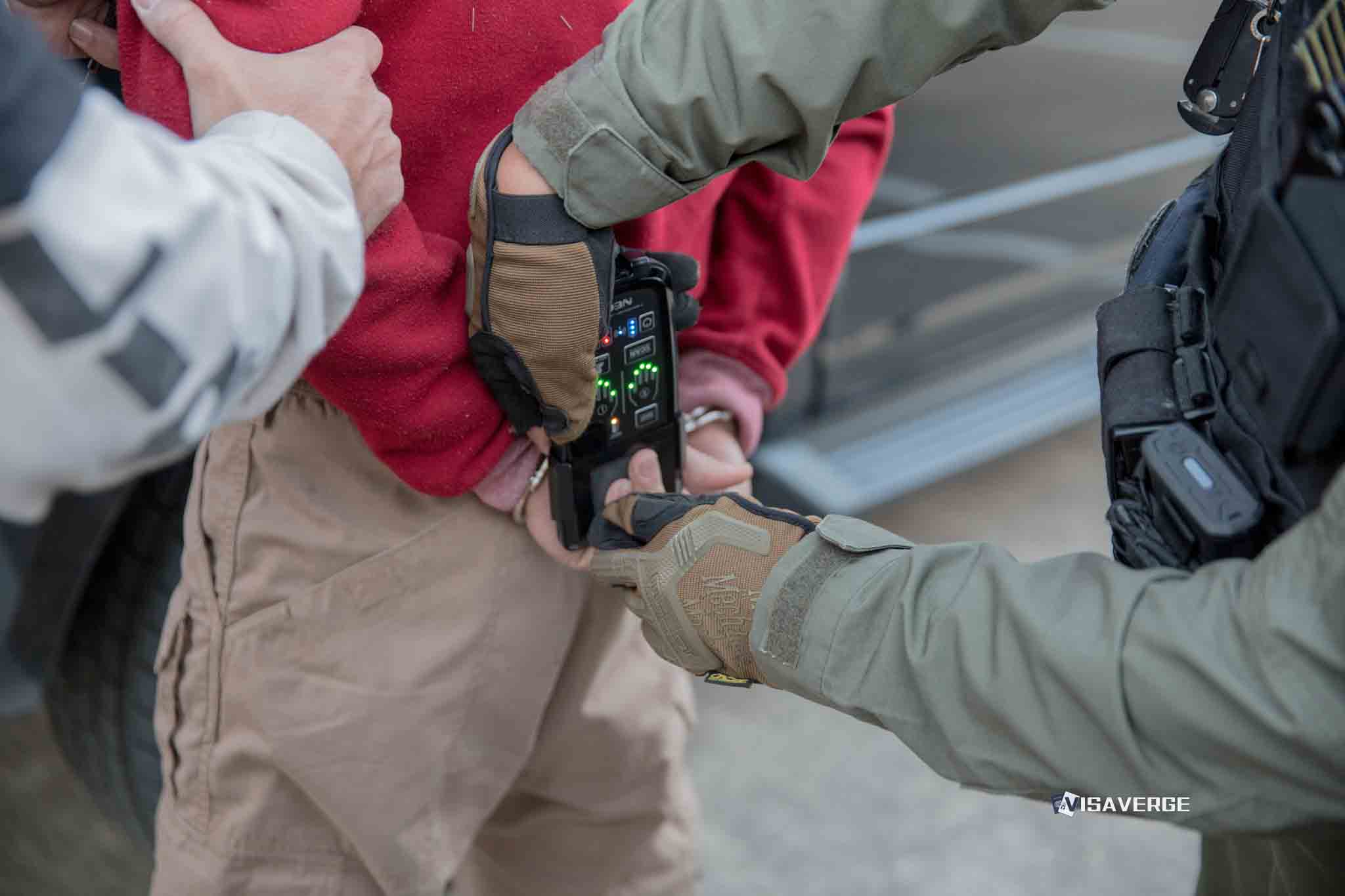
- Jamaica received its first flight of 22 people removed from the United States under the transit deal on October 13, 2026.
- The agreement caps arrivals at 25 people every two weeks and describes Jamaica as a temporary transit point.
- Jamaica may suspend the arrangement if 10 people seek to remain through asylum or another humanitarian process.
Jamaica received its first flight of people removed from the United States under a new transit deal on October 13, 2026. The 22 adults, 15 men and seven women, arrived at Norman Manley International Airport in Kingston shortly after 2 p.m.
Police escorted a Jamaica Urban Transit Company bus carrying the group from the airport to an undisclosed location. The transfer marked the start of the arrangement signed by Jamaica and the United States in June.
Free toolUSCIS Receipt Number Decoder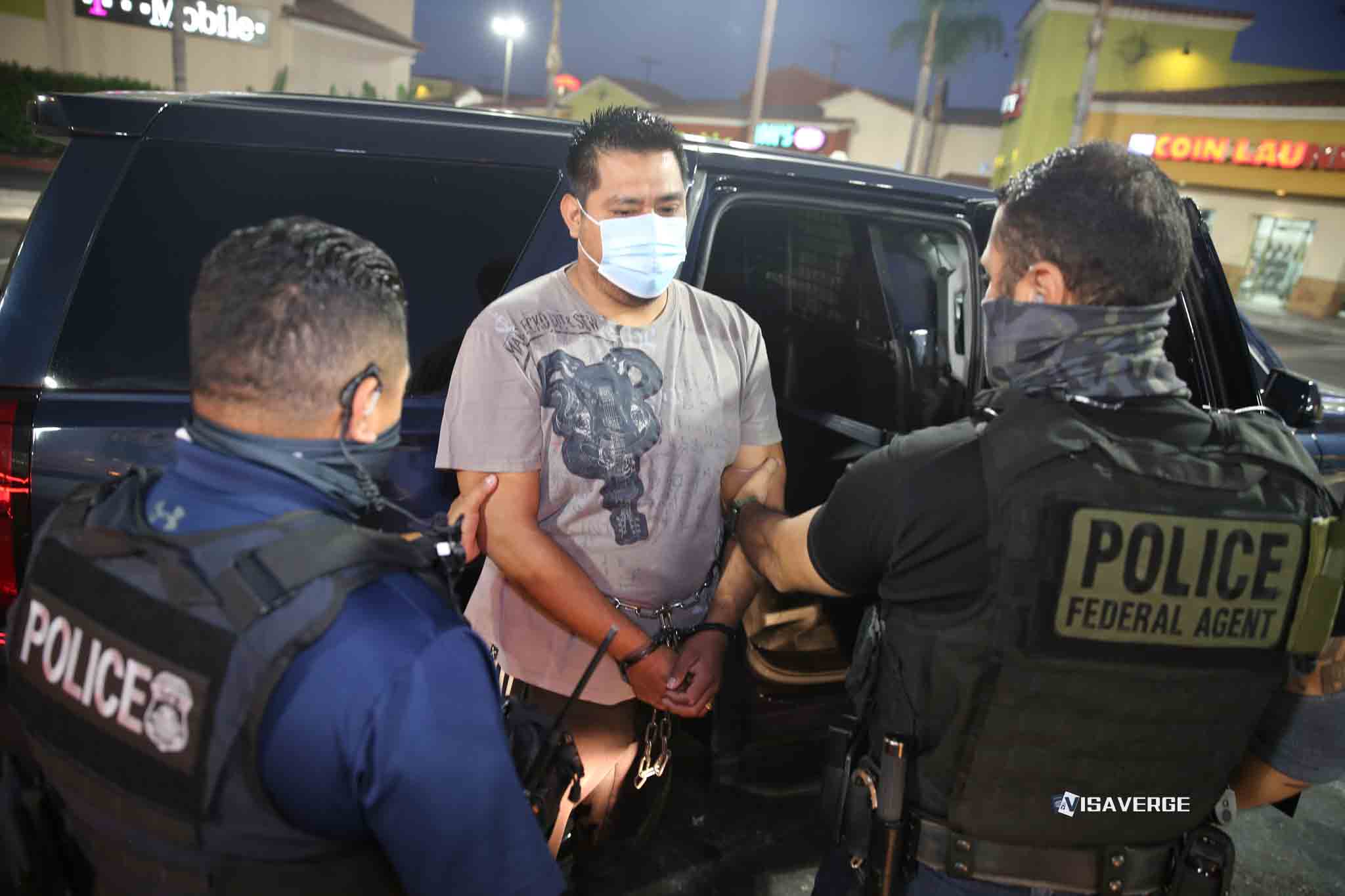
National Security and Peace Minister Dr. Horace Chang confirmed the arrival in an interview on October 13. He said most of the group came from Latin American countries and at least one person came from a European country.
Chang said none of the arrivals posed a public-health or security risk. Jamaican officials have not released a passenger manifest.
Jamaica’s Ministry of National Security and Peace and Ministry of Foreign Affairs and Foreign Trade said on October 12 that the countries had completed operating procedures and safeguards. The ministries described implementation as intended to proceed in a “safe, orderly, and lawful manner.”
The government set out the purpose of the arrangement this way:
“The government reiterates that this is a transit arrangement intended to facilitate the return of Third Country Nationals to their country of origin or other receiving countries, with the support of the IOM.”
The two ministries also said Jamaica would not pay for the program and would not allow people with criminal antecedents to transit through the country. That is the government’s stated position on the group it will accept.
The June agreement sets a small cap and an onward-transfer role
The memorandum signed in June 2026 allows people removed from the United States who are not Jamaican citizens to pass through Jamaica while arrangements are made for another destination. Their intended destination is their country of origin or another country willing to receive them.
The government has capped arrivals at 25 people every two weeks. Jamaica is described as a temporary transit point, not a permanent resettlement destination.
The International Organization for Migration (IOM) is to assist people while they are in Jamaica and help organize onward travel. The arrangement includes temporary support and help with movement through the IOM’s Assisted Voluntary Return program.
The terms leave the government’s public assurances and the unpublished memorandum side by side. Officials say the program has safeguards; critics say the document that spells out its conditions has not been made public.
The unpublished memorandum has become the dispute’s central issue
Senator Kamina Johnson Smith, Jamaica’s Minister of Foreign Affairs and Foreign Trade, said on X that the government negotiated with Jamaica’s protection in mind. She said questions about the deal “have all been answered,” while acknowledging the United States had not agreed to publish the agreement.
Johnson Smith also drew a contrast with other arrangements involving people with criminal records. “Some countries have agreed to receive criminals, we have not,” she wrote.
Fitz Jackson, the opposition spokesperson on national security, faulted the government for asking the public to accept terms it cannot review. He said: “Jamaicans are being asked to trust a secret document that touches their security, their communities and their public services.”
Jackson had earlier called the government’s failure to table the signed memorandum in Parliament “blatant contempt to the people of Jamaica.” Opposition Leader Mark Golding has repeatedly asked officials to identify the concrete benefits Jamaica receives.
The criticism extends beyond opposition politicians. Jamaicans for Justice and other civic groups have raised concerns about security, public services, transparency and the possibility that Jamaica could bear responsibility for people whose status and eventual destination remain unsettled.
Bishop Alvin Bailey, who leads a Jamaican evangelical alliance, questioned why the United States could not send the individuals directly to their countries of origin. The question echoes a wider objection to transfers involving people sent to countries with which they may have no meaningful connection.
A provision sets a threshold for suspending the program
The agreement allows Jamaica to suspend the arrangement if 10 people covered by it apply to remain in Jamaica through asylum or another humanitarian process. The condition provides a specific threshold for a pause, alongside the separate limit on arrivals.
The government has framed the arrangement as temporary, with onward movement planned rather than long-term settlement. Its public statements also say Jamaica will exclude people with criminal records and will not fund the program.
The transfers sit amid wider legal and humanitarian challenges
The Jamaica arrangement is part of the Trump administration’s broader effort to transfer some noncitizens to countries other than their countries of citizenship while removal or onward-transfer plans are made. Critics argue that such transfers can send people to places where they have little connection and may leave them without adequate opportunity to challenge removal or seek protection.
A February 2026 report by Democratic members of the U.S. Senate Foreign Relations Committee quoted an unnamed official describing the administration’s intended deterrent effect:
“The point is that the administration can threaten people that they will literally be dropped in the middle of nowhere. The point is to scare people.”
Challenges to third-country removals remain ongoing. The Jamaica program has begun, but its legal operation is not resolved by a controlling federal court decision or published Board of Immigration Appeals precedent specifically addressing this transfer arrangement.
As of October 14, 2026, Jamaican opposition leaders continue to press for the full memorandum to be published and brought before Parliament. The provision allowing a suspension if 10 people seek to remain through asylum or another humanitarian process remains one of the agreement’s defined limits.