- First deportation flight landed in Haiti with one hundred sixty-one people following TPS termination.
- Security risks forced the aircraft to bypass Port-au-Prince for Cap-Haïtien instead.
- The removal flight included former TPS holders and individuals with completed prison sentences.
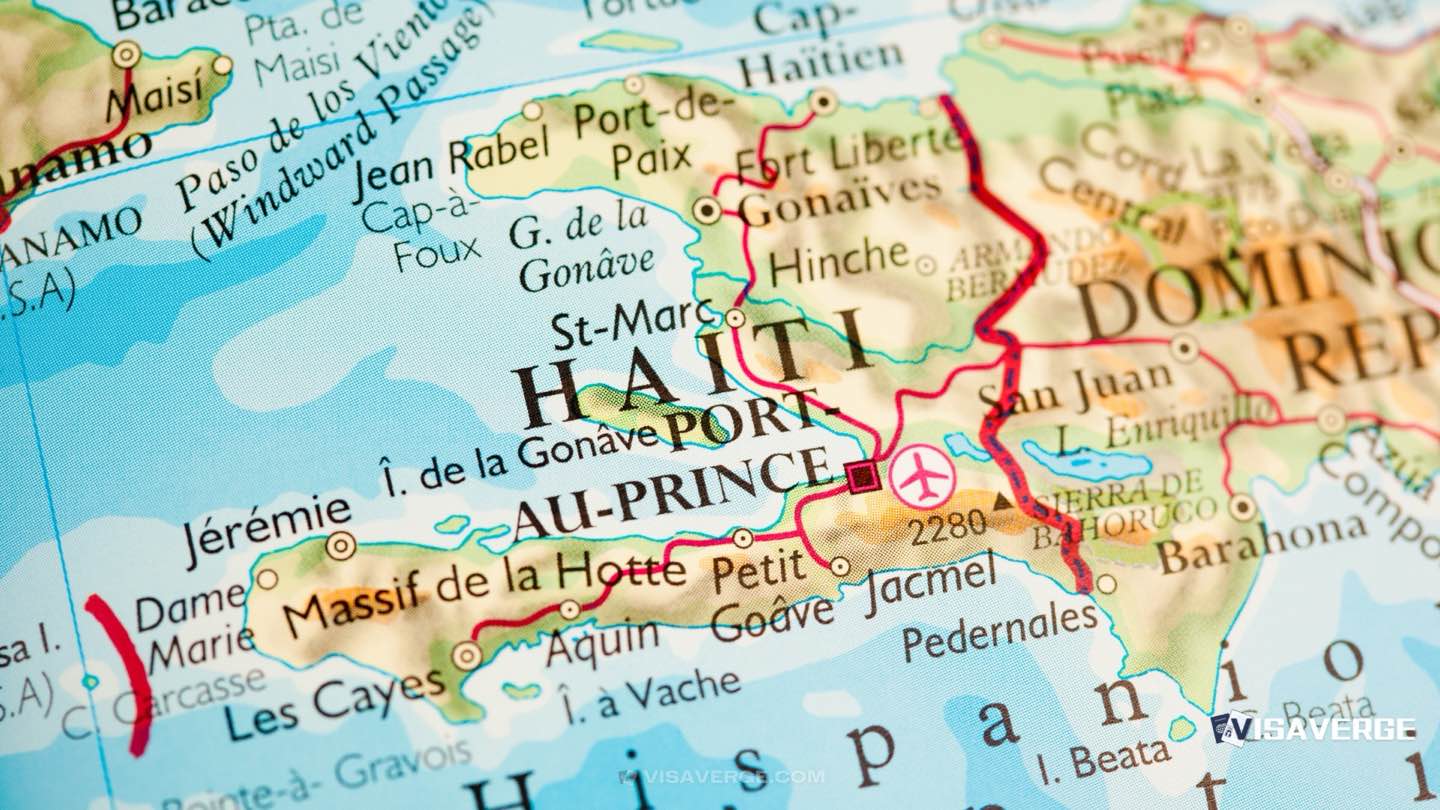
An ICE charter carrying 161 people landed in Cap-Haïtien on Thursday, August 20, 2026, marking the first deportation flight since the United States ended Haiti’s TPS program.
The aircraft left Alexandria, Louisiana, and stopped in Miami, Florida, before reaching northern Haiti. The passengers included people whose Temporary Protected Status had ended and Haitians who had served prison sentences.
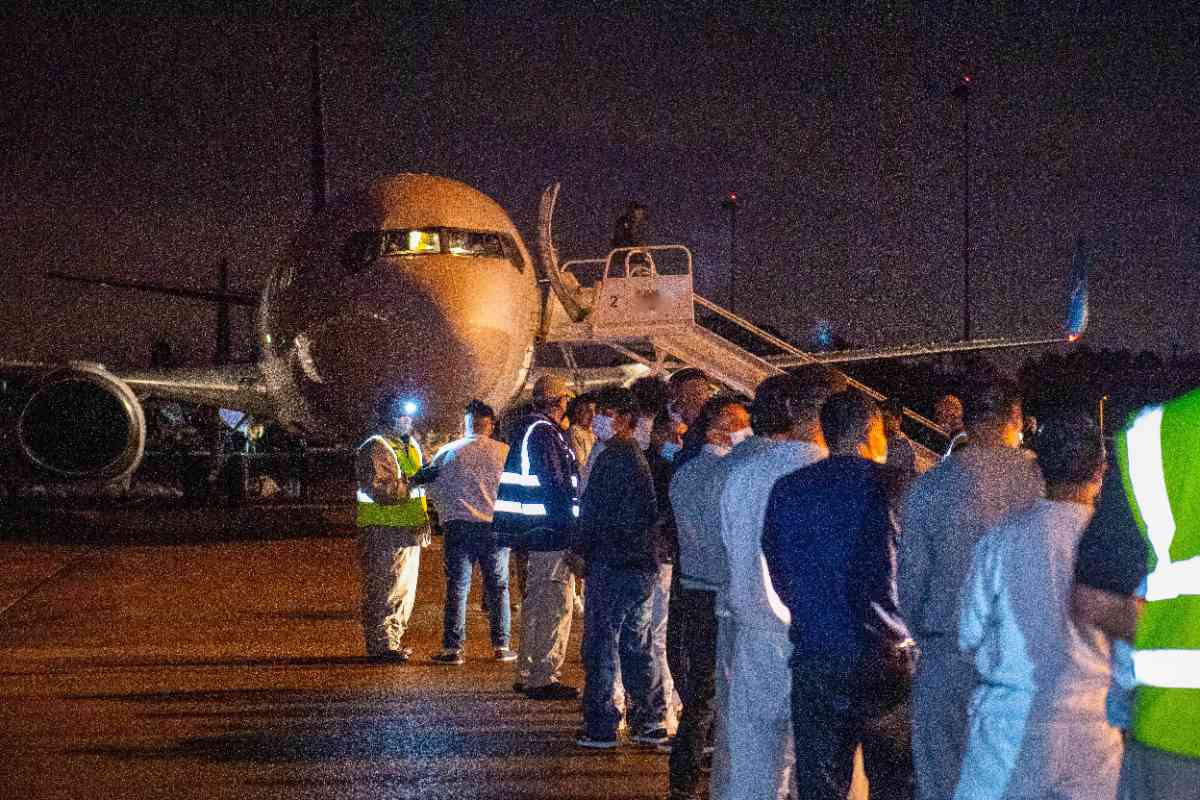
The group ranged in age from 19 to 71. Haiti’s National Office of Migration had expected 175 arrivals.
The flight followed the official end of Haiti’s protections on July 27. More than 350,000 Haitians lost the program’s protections, after a legal fight over the administration’s authority to terminate the designation.
The Supreme Court’s decision in Mullin v. Doe on June 25 favored that authority. U.S. District Judge Ana C. Reyes lifted the stay blocking the termination on August 4, 2026.
The termination notice appeared in the Federal Register as 90 Fed. Reg. 54733. The removal flight followed soon after.
Jean Négot Bonheur Delva, director general of Haiti’s National Office of Migration, said the passengers included both TPS holders and Haitians who had completed prison sentences. His office received fewer people than it had anticipated.
Haiti’s government provided the deportees $76.40 in financial assistance after they arrived, Haitian migration authorities said. The payment came as officials arranged reception in a country facing gang violence, poverty, and a humanitarian crisis.
Gang violence redirected the flight to northern Haiti
The aircraft bypassed Port-au-Prince. Haiti’s main international airport remains too dangerous for the operation of these flights amid gang violence.
U.S. commercial flights to the capital are banned through early September. Gangs control roughly 70% of the capital, and recent gunfire targeting aircraft has added to the danger.
The aircraft therefore used the northern airport after its stop in Miami. Haiti had received about one deportation flight from the United States since December 2023, according to Human Rights First’s ICE Flight Monitor.
The security conditions shaped the returnees’ first hours back in the country. They arrived dressed in white, while many covered their faces to avoid identification by gangs.
One deportee was born in the Dominican Republic and reportedly “knows nothing about Haiti.”
| Detail | Reported information |
|---|---|
| Arrival date | August 20, 2026 |
| People on board | 161 |
| Departure point | Alexandria, Louisiana |
| Stop before arrival | Miami, Florida |
| Ages reported | 19 to 71 |
| Arrival assistance | $76.40 |
Recent detainees joined workers and other Haitian returnees
Guerline Jozef, executive director of the Haitian Bridge Alliance, said many passengers had been detained by U.S. Immigration and Customs Enforcement during the prior three weeks. At least one person had recently lost TPS.
Mario Montès, who worked in Alaska for nearly a year, was detained by ICE in Miami while traveling to work. He said officers told him:
“They said there was a new president and some paperwork we needed to re-apply for.”
The flight included people whose protected status had expired, but it was not limited to them. Delva said the passenger list also contained Haitians returning after prison sentences.
Haitian officials described their role as reception rather than deportation policy. Delva said the arrivals were forced returnees who needed help reaching their homes.
“It is not the Haitian state that asks for them to be sent back. Our mission is to welcome migrants of forced return. We welcome them with the aim of accompanying them to their home.”
Leslie Voltaire, a Haitian leader, described the decision to end TPS and deport migrants as “catastrophic” for Haiti’s stability.
Advocates described arrests after TPS protections disappeared
Jozef said the removal process had reached people who lost TPS as well as people whose asylum cases failed.
“People are losing TPS status and losing their asylum cases. It's become easier and easier to be taken and deported.”
Her comments followed the court action that removed the barrier delaying deportations. The administration then expanded enforcement tools connected to work authorization.
On August 11, the Department of Homeland Security expanded E-Verify Status Change Reports to include “invalidated” Employment Authorization Documents for TPS holders. The change prompted immediate workplace reverifications.
The department has also reportedly offered $2,600 to some migrants who agree to leave the United States voluntarily. That amount is separate from the assistance Haiti provided to returnees after landing.
Haiti first received TPS in 2010 after a magnitude 7.0 earthquake devastated the country. The disaster killed over 300,000 people.
The administration paired the court victory with a warning of arrests
Markwayne Mullin, Secretary of Homeland Security, described the administration’s enforcement position in blunt terms:
“We're going after them right now. These individuals can either self-deport or we'll arrest you and send you back. It's that simple.”
The first removal flight came after the Supreme Court cleared the way for the administration to end the designation. The next flights face the same security constraint, with commercial service to Port-au-Prince suspended through early September.
The arrival also exposed the gap between the number Haiti expected and the number delivered. Delva’s office prepared for 175 people but received 161, as the United States began removals after the protection ended.