- ICE ordered hundreds of Haitian TPS recipients in Ohio to appear for in-person check-ins as protections expired.
- Some recipients received GPS ankle monitors and must stay within a 75-mile travel radius unless approved.
- The Supreme Court and a federal judge cleared the way for Haiti’s TPS termination affecting about 350,000 people.
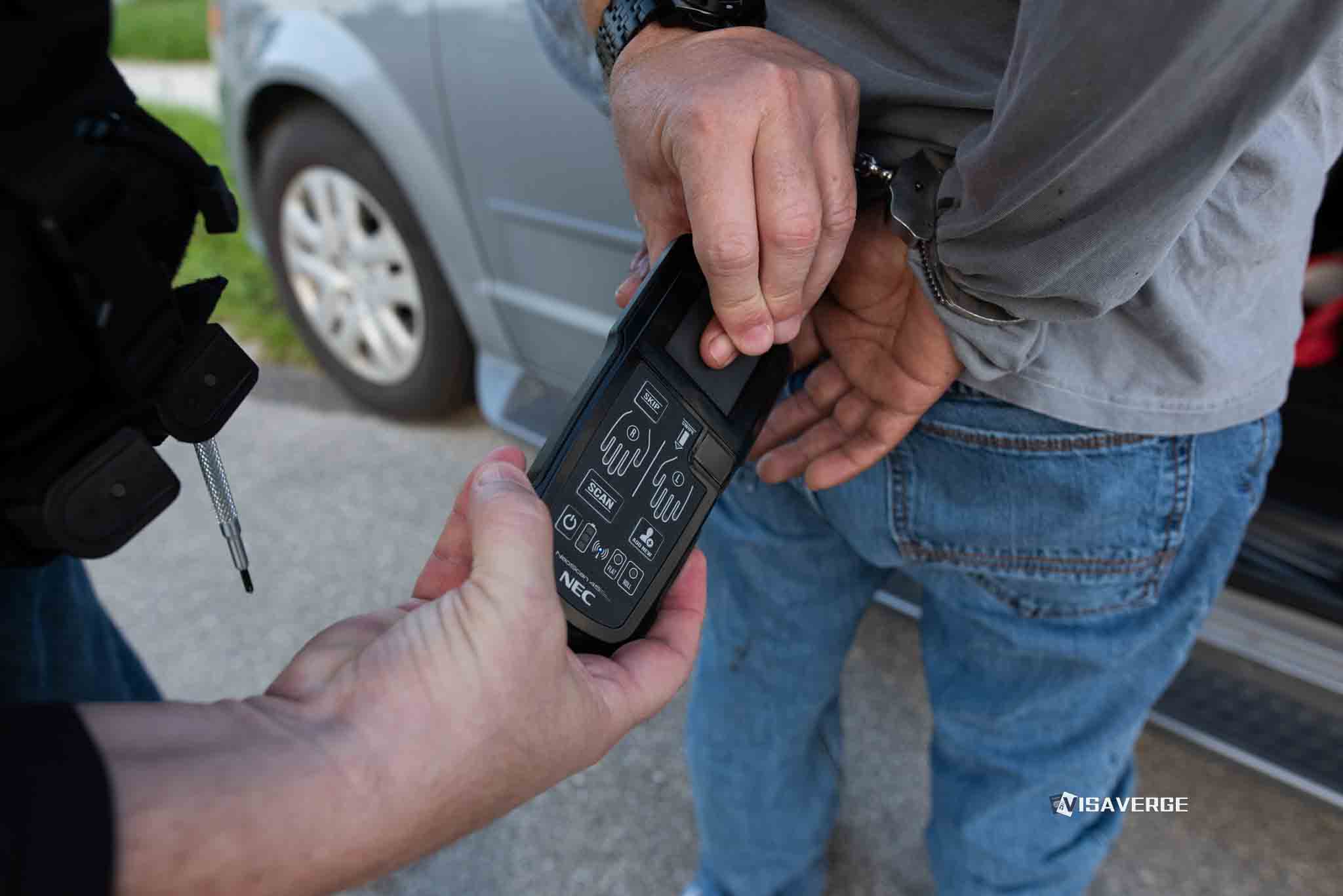
The U.S. Immigration and Customs Enforcement (ICE) agency has summoned hundreds of Haitian Temporary Protected Status recipients in Ohio to in-person check-ins and fitted some with ankle monitors as their protections expire.
The enforcement has centered on Springfield and field offices in Blue Ash and Westerville. People received “DHS Call-In Letter” notices ordering them to appear in person.

Some Haitians who reported to a suburban Cincinnati office on Sunday, August 2, received devices. Philbert Viaud, a Columbus resident, was among those fitted with one.
The appointments followed the formal end of Haiti’s TPS designation on July 27. About 350,000 Haitian nationals face the loss of protection, including an estimated 200,000 people in the U.S. workforce.
Viles Dorsainvil, executive director of the Haitian Community Help and Support Center in Springfield, described the process.
“We are just helping these folks to go to this appointment, and when they get there, they interview them and eventually put [an] ankle monitor on them.”
The monitors are part of the agency’s Alternatives to Detention program, which tracks immigrants while they await immigration proceedings. An internal June 9 memo directed officials to use GPS devices for people in the program “whenever possible.”
Ohio recipients face a 75-mile travel boundary
Sony Prenice said officials gave her a choice: wear a monitor or leave the United States with $2,600. She chose the device.
The monitor limits her movement to a 75-mile radius around her address. Travel beyond that boundary requires permission from immigration officials.
Annette Huelskamp, who interpreted for Prenice, said the restriction has raised concerns about visiting family in Indiana. Prenice also worries about reaching care during a medical emergency because she has diabetes.
The travel limits have reached other families. Attorneys have described cases involving elderly recipients, including a woman in her 60s who could not travel to see newborn grandchildren because of the boundary.
Dorsainvil said the devices felt “reminiscent of chains and slavery.” He also called the experience humiliating, saying recipients “They're not criminals. and now [they have] some type of ankle bracelets on their feet.”
The check-ins have spread beyond Springfield. Dozens of Haitians reportedly received monitors during waves of appointments in Ohio on August 3.
Court rulings cleared the way for the appointments
The supervision campaign began after the administration moved to end Haiti’s designation. Kristi Noem, then the Homeland Security secretary, announced the intent to terminate the program in November 2025, arguing that conditions in Haiti had improved enough to justify the decision.
The Supreme Court allowed the termination to proceed in June. In Mullin v. Doe, decided June 25, 2026, the court ruled 6–3 that federal law bars judicial review of most TPS termination decisions.
That decision overturned lower-court injunctions protecting Haitian and Syrian nationals. Federal courts then cleared the way for the protections to expire.
Judge Ana C. Reyes of the U.S. District Court for the District of Columbia issued an August 5, 2026, order lifting the remaining stay. She said the Supreme Court’s ruling left her without jurisdiction to block the executive branch’s decision.
The judge allowed limited discovery to continue on a separate constitutional claim alleging racial discrimination. The ruling did not restore the TPS protections.
The State Department maintains a Level 4 “Do Not Travel” advisory for Haiti. The advisory cites extreme gang violence, political instability after the 2021 assassination of Jovenel Moïse and a lack of basic healthcare.
Homeland Security is pairing monitoring with departure offers
The Department of Homeland Security has urged affected Haitians to leave voluntarily. Its offer includes a $2,600 check and a free flight home.
One department message described the broader rollback this way: “What we would say now is it's closing time, which means you don't have to go home, but you can't stay here.”
Markwayne Mullin, the Homeland Security secretary, defended the termination and said, “TPS has been allowed to function as a de facto amnesty program. It's closing time, which means you don't have to go home, but you can't stay here.”
Advocates said the directive for the enforcement surge “came from the top.” Dawnisha M. Helland, an acting assistant director at the immigration agency, wrote the June 9 memo directing officials to use GPS monitors for non-detained immigrants whenever possible.
The government’s approach has drawn criticism in Ohio. Gov. Mike DeWine called the enforcement surge a “mistake.”
“To say we're going to pull all those people out, it's just not in our own self-interest.”
The termination has also affected employers. Advocates say mass layoffs have begun in healthcare and manufacturing, sectors where Haitians are highly represented.
Krish O’Mara Vignarajah, CEO of Global Refuge, called the policy “economically self-defeating and morally indefensible.” Global Refuge and the Haitian Bridge Alliance urged Congress on August 6 to pass the Dream and Promise Act, which they said could restore legal status.
Springfield became a focus after 2024 campaign claims
The current enforcement focus on Springfield follows 2024 campaign rhetoric from Donald Trump and JD Vance that included unsubstantiated claims about the city’s Haitian community.
Community workers in the city are now accompanying recipients to appointments. The notices direct people to regional offices, including the facility in Blue Ash.
The department’s stated use of monitoring is tied to pending immigration proceedings. The devices allow officials to supervise people outside detention while the government presses them to depart.
The change has placed roughly 350,000 people between two demands: report for supervision or leave the country. The first visible appointments occurred in Ohio, where some recipients now carry GPS devices and face a 75-mile limit on daily movement.