U.S. authorities had returned 749 people to Haiti on nine flights since August 20, according to Human Rights Watch figures cited by the organization’s senior Americas researcher, Nathalye Cotrino. She told EL PAÍS that she interviewed 44 people who arrived on the first two flights after protections ended.
The deported Haitians include people who say they have no close family or livelihood waiting for them. Haiti is already struggling to support its residents.
“The main thing they are saying is that they need money and job opportunities,” Cotrino said. Some returnees rely on money sent by partners and children who remain in the United States. Others are considering Brazil or Chile, she said, because they want a country where they can work.
Allie Pasieka of the International Rescue Committee said Haiti cannot support people arriving from the United States or other countries. “Haiti is right now a humanitarian disaster. So sending anyone here contributes to that humanitarian disaster,” she told EL PAÍS from Port-au-Prince.
The administration moved ahead after the Supreme Court cleared the path
The TPS termination took effect in July 2026, ending a program that had allowed about 350,000 Haitians to live and work legally in the United States. The administration said Haiti was safe enough for people to return and that the protections had lasted too long. Homeland Security Secretary Markwayne Mullin said: “If you want to rebuild your country, go back and rebuild it.”
The Supreme Court ruling, a 6-3 decision in Mullin v. Doe, came in late June and allowed the administration to end the protections. Justice Samuel Alito wrote that the TPS statute “plainly bars consideration of TPS recipients' non-constitutional claims,” according to a statement from Rep. Seth Moulton’s office.
The decision followed a temporary block. On Feb. 2, 2026, U.S. District Judge Ana C. Reyes stayed the termination in Miot et al. v. Trump et al., finding Haitian TPS beneficiaries likely to succeed in arguing that the Department of Homeland Security had not met statutory requirements. DHS had argued that Haiti no longer faced extraordinary and temporary conditions preventing safe return, and that keeping TPS holders in the country ran counter to the national interest.
Conditions remain perilous. Nearly 1.5 million people are estimated to have been displaced inside Haiti, where armed gangs control large areas. In August, a gang coalition took more than 50 hostages in Kenscoff, near Port-au-Prince, and killed at least 47 people, including children and people sheltering in a church.
“Nobody has safety in this country, nobody,” the son of a man killed in the church told FRONTLINE correspondent Sebastian Walker. The film’s reporting also described people facing gang kidnappings and violence; many returnees conceal their identities for fear of being targeted.
Returnees describe separation, lost work and unfamiliar surroundings
A man deported from Toledo, Ohio, said he had last visited Haiti in 2014 and no longer knew anyone there. “All my brothers, my sister, they are in the U.S.,” he said from Saint-Marc. “I don't know what I can do.”
A woman who had lived in the United States for 20 years said she had left Haiti at 14, earned a doctoral degree and worked nine years as a Florida pharmacist. She lost her job when her protection ended. “I'm not really sure what I'm going to do. This is, like, foreign land to me.”
She said she had a 17-month-old, a six-year-old and a husband in the United States, and had not seen them since she was picked up. Immigration authorities moved her five times, she said, forcing her lawyer to file a new motion at each location. “As of today, they know where I am.”
Another man told FRONTLINE he had lived in America since age five and had served 17 years in prison. “They didn't give me a chance to rehabilitate, so they got me in this weird island that I don't even know.”
A separate account from a Haitian man identified only as Jean described a rapid transfer from detention to deportation. He was detained after leaving work in Broward, north of Miami, on a Saturday night. Around 1 a.m., his family-friend doctor found his car unattended; Jean called and said he was at a Border Patrol station in Dania Beach.
The doctor said an agent offered deportation within 48 hours or transfer to the Krome detention center to see an immigration judge. The agent said Jean could be sent back “with dignity” if he had his passport. The doctor brought the passport, prescription medicine and a Bible the next day. Officials accepted those items, but rejected a toothbrush, hat and socks. By Monday afternoon, Jean was in Cap-Haïtien.
Bills in Congress propose different routes for TPS holders
Senate Democratic Whip Dick Durbin called on July 28, 2026, for passage of the SECURE Act, which would offer qualified TPS and Deferred Enforced Departure recipients a path to permanent residency. He cited the State Department’s Level 4 travel advisory for Haiti and questioned the decision to end protections. Durbin said Ohio Gov. Mike DeWine had called the move “a mistake” and a “job killer.”
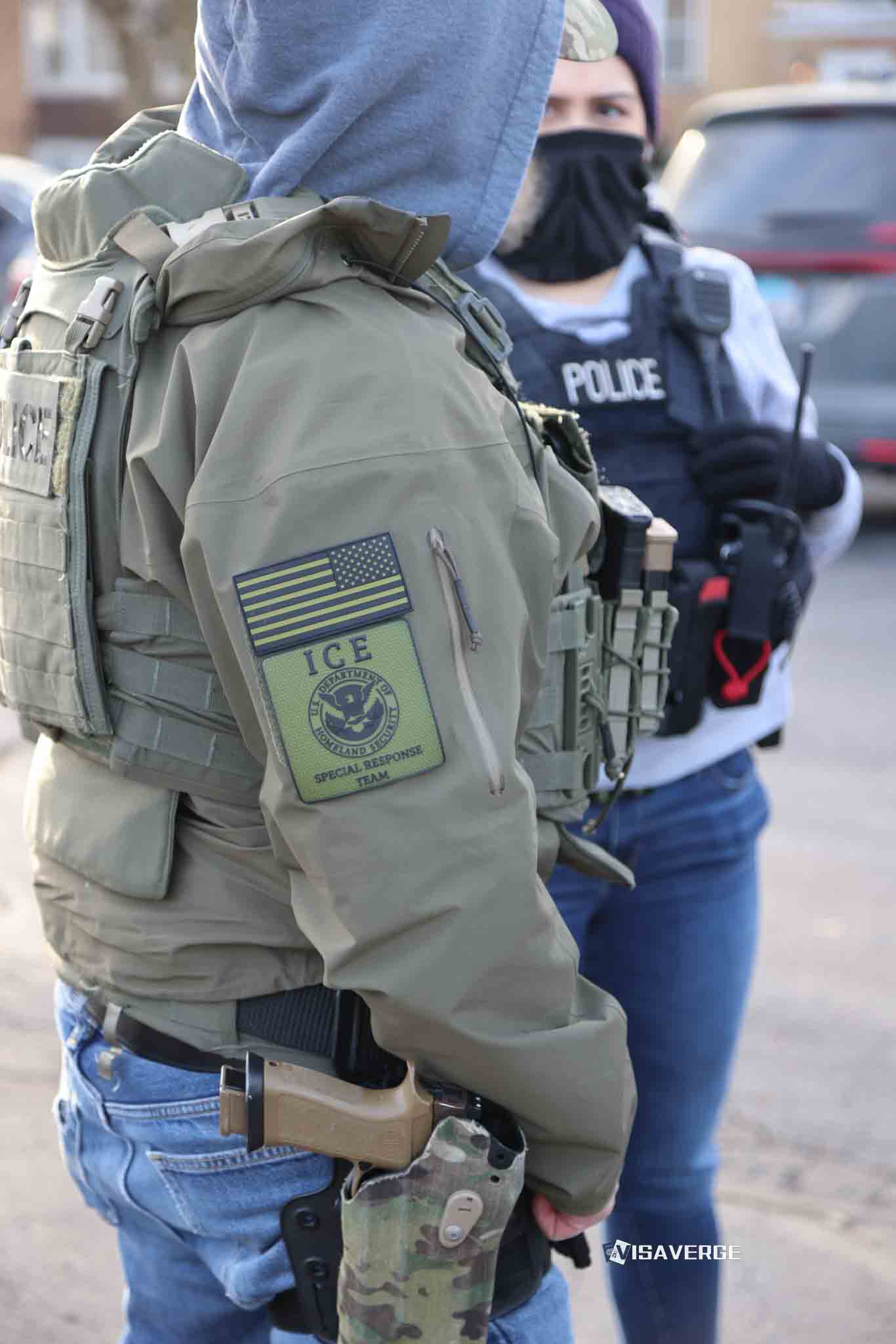
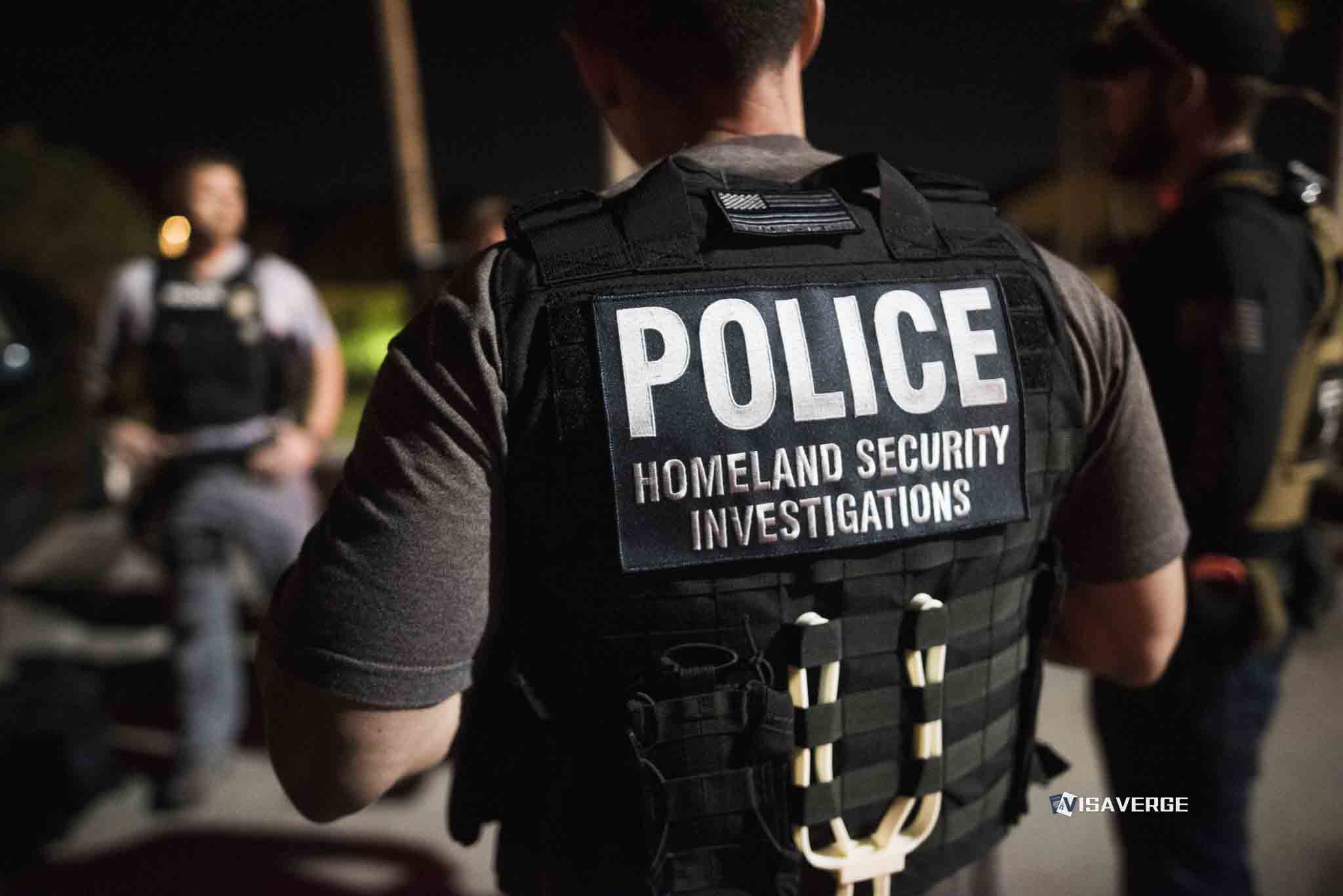
Durbin said ICE planned to target Haitian TPS holders as part of a 2,000-arrests-a-day quota. Maryland Sen. Chris Van Hollen was to seek unanimous consent for the bill that day.
Moulton introduced the TPS Relief Act on June 29, 2026, to restore judicial review of TPS termination decisions. His office said the ruling put about 330,000 Haitians and 3,800 Syrians at imminent risk of losing protected status within a month, and jeopardized the futures of 1.3 million TPS holders. It also said the administration had moved to end designations for 13 of the 17 countries covered when Trump began his second term.
Moulton voted on April 16, 2026, to extend Haiti’s TPS for three years, through April 2029, after Rep. Ayanna Pressley led a discharge petition that forced a vote. The Senate Judiciary Committee’s SECURE Act statement records Durbin’s call for action. The legislation would create a different pathway from the administration’s current removals.