On June 25, 2026, the Department of Homeland Security issued a statement hailing three Supreme Court rulings that tighten asylum access, broaden deportation authority, and reaffirm the administration’s power over Temporary Protected Status. DHS General Counsel James Percival said, “These three rulings are all victories for the rule of law and common sense,” while a separate June 23, 2026 D.C. Circuit ruling also revived the administration’s expanded use of expedited removal nationwide.
- In Blanche v. Muk Choi Lau, the Supreme Court ruled 6-3 that U.S. Customs and Border Protection does not need “clear and convincing evidence” that a lawful permanent resident committed a crime involving “moral turpitude” before treating that person as an applicant for admission.
- In Mullin v. Al Otro Lado, the Court ruled 6-3 that a person standing in Mexico who has not physically entered the United States has not “arrived in the United States,” meaning the person is not entitled to apply for asylum and an immigration officer is not required to inspect them.
- In Mullin v. Doe, the Court ruled 6-3 that the administration can cancel TPS designations for Syria and Haiti, and DHS said federal law generally bars judicial review of future TPS designation and termination decisions.
- On June 23, 2026, the U.S. Court of Appeals for the D.C. Circuit allowed DHS to resume expanded expedited removal nationwide while litigation continues, covering noncitizens who cannot show two years of continuous physical presence in the United States.
- The Supreme Court ended judicial review for Temporary Protected Status terminations in a six-to-three ruling.
- Over three hundred fifty-six thousand immigrants from Haiti and Syria face immediate loss of legal status.
- The ruling grants the executive branch exclusive authority to revoke protections without federal court interference.
The Supreme Court ruled Thursday that the Trump administration can immediately end Temporary Protected Status for immigrants from Haiti and Syria, allowing deportations to begin without judicial delay.
The 6-to-3 decision, delivered on June 25, 2026, bars federal courts from reviewing the government’s decision to terminate TPS. Justice Samuel Alito, writing for the conservative majority, held that the TPS statute “plainly bars” judicial review of the administration’s decision to terminate the status. The ruling prevents federal courts from issuing orders that would postpone the terminations while litigation proceeds through the legal system.
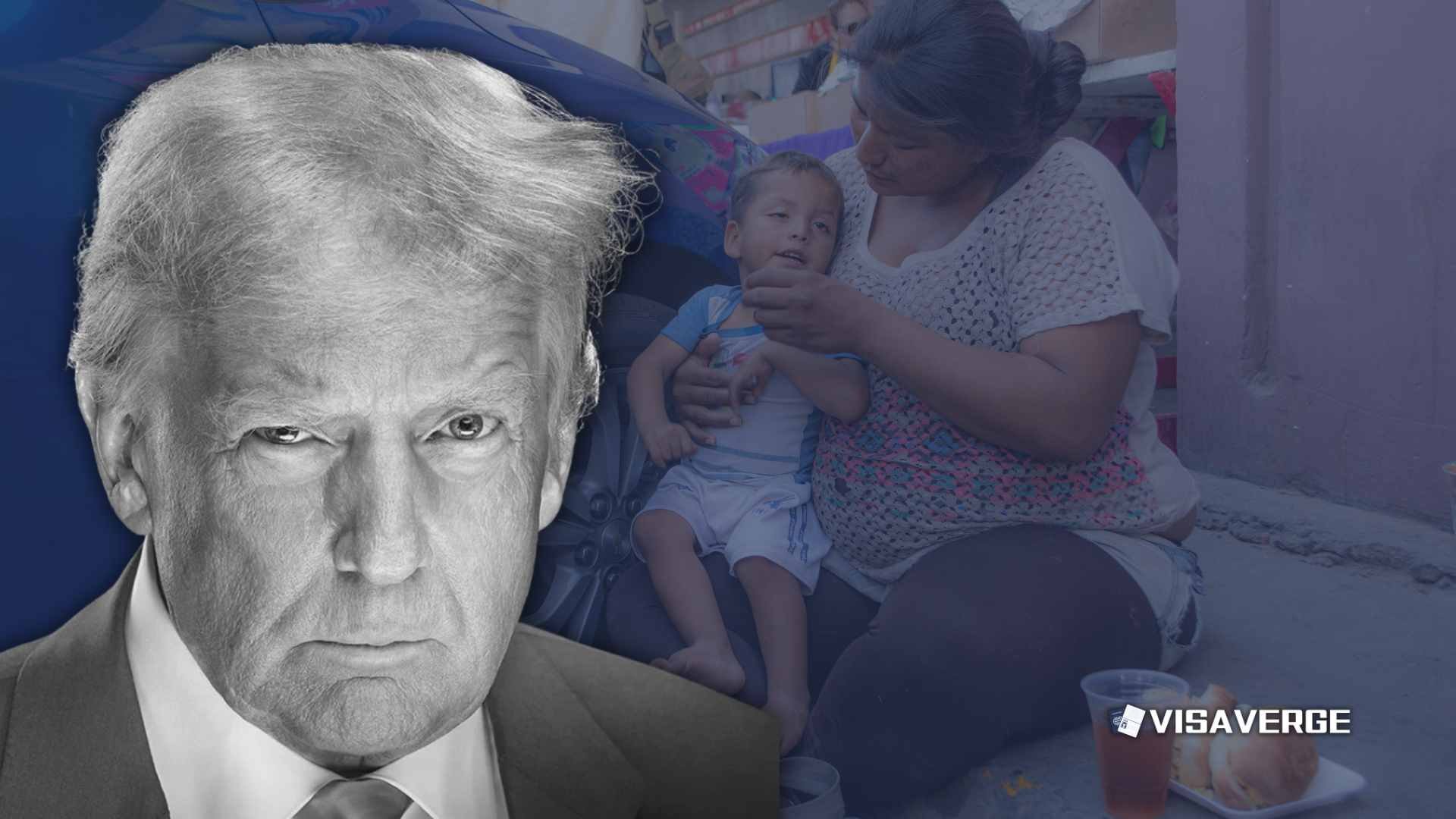
Approximately 356,000 individuals now face the loss of their protected status. The affected population includes roughly 350,000 Haitians, with some estimates citing 330,000, along with 6,100 Syrians currently living legally in the United States under the program.
Without protected status, these individuals will lose their work authorization and legal residency. They revert to undocumented status and face potential deportation through standard legal channels. The consequences could extend beyond the immigrants themselves, potentially leaving many American-born children behind if their parents are removed from the country.
Homeland Security Secretary Kristi L. Noem terminated TPS for Syria in September 2025 and moved to end the designation for Haiti. The administration has asserted that conditions in both countries have improved and no longer warrant protection. Noem’s determinations formed the basis of the legal challenge that ultimately reached the Supreme Court.
The Court was explicit about the boundaries of its ruling. The majority stated it did not determine that Haiti or Syria are safe for return. Instead, the Court concluded that the issue of terminating TPS is beyond judicial review under the statute, leaving the substantive question of country conditions unexamined.
That distinction is central to the ruling’s reach. By placing TPS terminations outside the scope of judicial review, the decision leaves the authority to grant, extend, or revoke protected status with the executive branch alone. Federal judges can no longer pause terminations while lawsuits challenge the factual basis for the government’s country-condition assessments.
Deportations could begin as early as this year, potentially affecting hundreds of thousands of people who have established lives in the United States under TPS. The ruling also limits the ability of immigrants and advocacy groups to litigate against the government regarding TPS terminations or claim violations of federal law, significantly narrowing the legal tools available to challenge future revocations.
A related ruling issued the same day, also authored by Alito, sided with the Trump administration on its power to deny entry to asylum seekers when U.S.-Mexico border crossings are deemed overwhelmed. The paired decisions, handed down hours apart, expand executive authority over immigration enforcement on multiple fronts simultaneously.
The Thursday ruling builds on a precedent established in 2025, when the Supreme Court allowed the administration to end TPS for approximately 600,000 Venezuelans. That earlier decision set the legal framework now being applied to Haitian and Syrian recipients, establishing a pattern of judicial deference to executive discretion on TPS matters.
The three liberal justices dissented from Thursday’s decision. They argued the ruling undermines equal protection principles and allows for the deportation of vulnerable populations without adequate judicial scrutiny. The dissenting justices raised concerns that removing judicial review leaves affected individuals with no meaningful recourse when the government terminates their protections.
Since resuming office in January 2025, President Trump has pursued an aggressive immigration enforcement strategy that extends well beyond Haiti and Syria. The administration has moved to revoke TPS for 13 of 17 designated countries, a sweeping effort that potentially endangers over 1.3 million immigrants from those nations. Haiti and Syria represent the latest challenges to reach the Supreme Court, but other cases are advancing through lower courts.
Affected individuals may pursue alternative legal options to remain in the United States, such as applying for asylum. Most, however, will have no legal option except to leave the country. The asylum process is separate from TPS and carries its own requirements, offering uncertain prospects for those who have lived under protected status for years.
The ruling transforms the legal landscape for TPS holders and the advocacy groups that represent them. With judicial review foreclosed by the statute, future challenges to TPS terminations will face the same barrier that the Haitian and Syrian cases could not overcome. The authority to decide whether conditions in a designated country have improved now rests with the Secretary of Homeland Security, subject to the political process rather than judicial oversight.
For the 356,000 Haitians and Syrians who held legal status before Thursday’s ruling, the decision converts them into undocumented immigrants subject to deportation. The legal obstacle that prevented their removal has now been eliminated by the nation’s highest court, and the administration can proceed with deportations without further judicial interference.