- A federal judge in Chicago ended deportation protections for nearly four thousand Burmese nationals on August seventh, twenty twenty-six.
- The ruling invalidates Temporary Protected Status work permits, requiring immediate employer reverification of status for all affected workers.
- DHS officials claim conditions in Burma have stabilized, despite the State Department maintaining a Level four do not travel advisory.
A federal judge in Chicago cleared the administration to end deportation protections for nearly 4,000 Burmese nationals on August 7, 2026, after courts rejected final efforts to keep the safeguards in place. The ruling allows the government to terminate Temporary Protected Status for people who had remained protected during litigation.
The affected population is commonly described as about 4,000 people, with one estimate placing the total at approximately 3,969. A separate estimate put the number at about 3,700. Their protection and work authorization can now end unless another court grants relief.
Judge Matthew Kennelly of the U.S. District Court for the Northern District of Illinois had previously preserved Burma TPS through at least August 7 while the case proceeded. On that date, he rejected an attempt to extend emergency protection in Aung Doe et al. v. Noem et al.
The ruling followed a July 17 order from the U.S. Court of Appeals for the Seventh Circuit that lifted interim relief for Burmese migrants. Judge Patti Saris in Boston also rejected a final request involving the broader series of TPS cases. Together, the rulings ended the postponement that had delayed the administration’s termination decision.
Court orders ended the last postponement
The dispute concerns TPS under INA § 244, codified at 8 U.S.C. § 1254a. The government’s action terminates a country-based protection. It does not itself issue an individualized removal order to every person affected.
TPS generally shields eligible nationals from deportation and permits employment during the designation period. Once the termination takes effect, affected Burmese nationals may lose both protections unless a court intervenes.
USCIS guidance says Employment Authorization Documents held by Burmese TPS recipients in categories A12 or C19 were no longer valid as of August 7. Employers must immediately reverify the status of workers whose authorization depended on the designation.
The legal shift followed a June 25, 2026, Supreme Court ruling in Mullin v. Doe. The 6-3 decision curtailed lower courts’ ability to block the executive branch from ending TPS designations, according to the litigation account presented in the court filings. That decision helped prompt the dissolution of stays involving Burma, South Sudan and other countries.
The administration says conditions have improved
Secretary of Homeland Security Kristi Noem announced the Burma termination on November 24, 2025. She argued that conditions no longer met the law’s “extraordinary and temporary” standard and later defended the decision in a statement reaffirmed in August 2026.
“This decision restores TPS to its original status as temporary. The situation in Burma has improved enough that it is safe for Burmese citizens to return home. Burma has made notable progress in governance and stability, including the end of its state of emergency and plans for free and fair elections.”
Noem issued that statement in her capacity as secretary. James Percival, the Department of Homeland Security’s general counsel, criticized the court pauses after the August 7 rulings.
“Every day these 'administrative stays' are in effect is a day the American people are denied what they voted for.”
The TPS designation began in May 2021 under the Biden administration, after a military coup overthrew Burma’s democratically elected government. The later termination notice said the country had moved beyond the conditions that justified the designation.
The government’s position faces a direct contrast with current travel guidance. The U.S. State Department maintains a Level 4 “Do Not Travel” advisory for Burma as of August 2026, citing armed conflict, civil unrest and arbitrary enforcement of local laws.
Advocates warn of detention and return risks
The International Refugee Assistance Project issued its response through Deputy Director of U.S. Litigation Lupe Aguirre, who said the ruling removed the last judicial barrier for thousands of clients.
“This court was the only thing standing between thousands of our Burmese clients and the Trump administration’s mass detention-and-deportation machine. TPS holders deserve better than a government that flagrantly violates the law and courts that are powerless to stop it.”
Dinesh McCoy, a staff attorney at the Asian American Legal Defense and Education Fund, said the policy placed Burmese nationals at risk as part of a wider immigration campaign.
“It is unconscionable for the Trump administration to gamble with their lives as part of its larger campaign to use immigration policy as a tool for racial exclusion.”
Thura Doe, a plaintiff in Aung Doe v. Noem, said he had protested Burma’s military dictatorship and feared detention if returned.
“I am devastated by the court’s ruling and terrified of what will happen if I’m forced to return to Burma. As an advocate for democracy, I have vocally protested the current military dictatorship. If I am forced to return, I deeply fear I will be immediately detained by the junta.”
The Burmese military junta welcomed the decision. Zaw Min Tun, its spokesperson, said citizens were “welcome to participate in building a modern and developed nation” and urged them to return for planned elections.
Tom Andrews, the UN Special Rapporteur on the human rights situation in Myanmar, described the move as an “assault on human rights” based on a “cruel fiction” about the country’s stability.
Termination comes amid wider deportation activity
The Burma decision arrived alongside separate federal rulings in Boston and Chicago allowing protections for South Sudanese nationals to end. The cases formed part of a broader effort to remove court-imposed delays on TPS terminations.
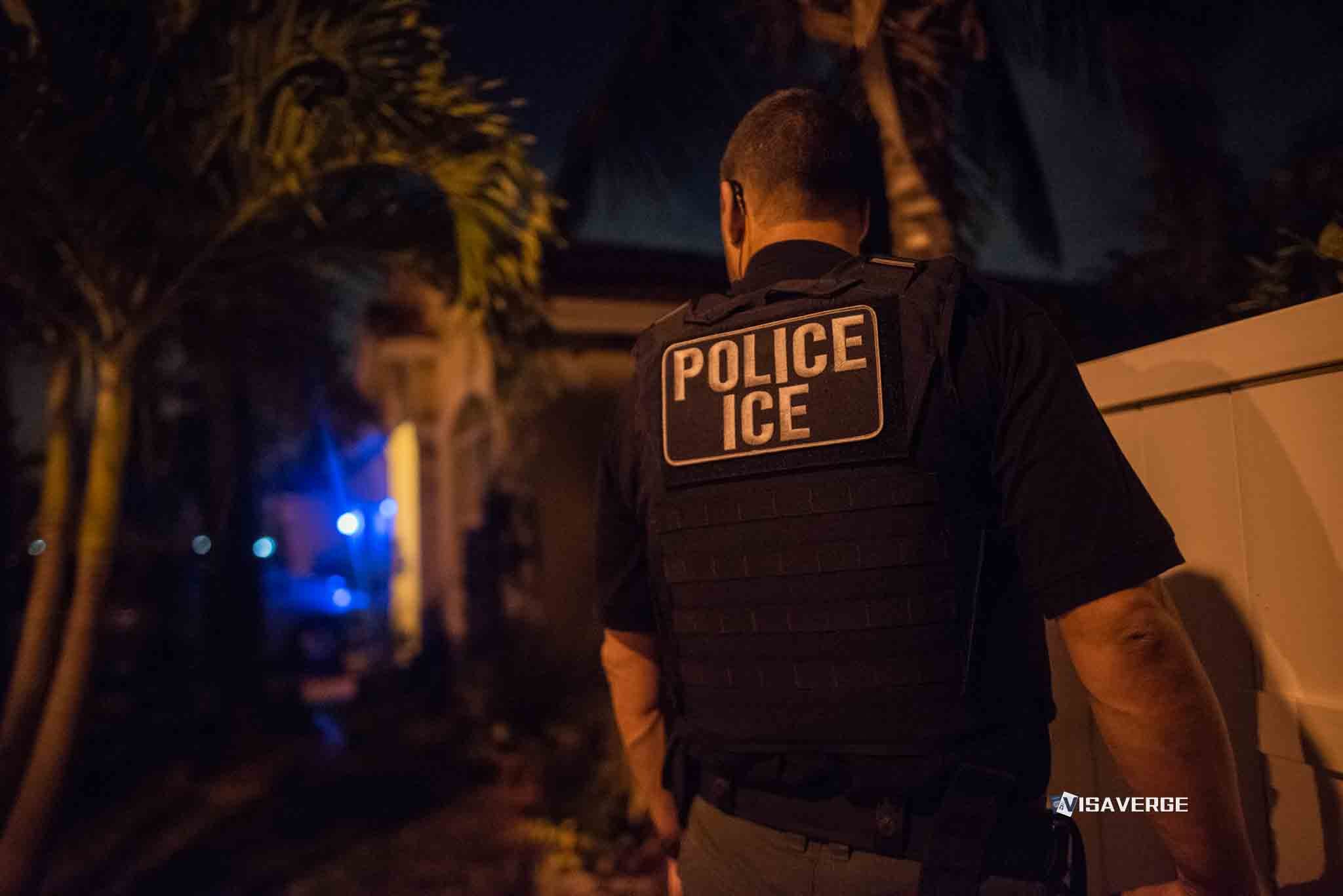
DHS reports that more than 985,000 people had been deported during the second Trump administration by early August 2026. About 68,000 people were in ICE custody nationwide, according to the same reporting.
Those figures describe the broader enforcement environment, not the number of Burmese TPS holders already removed. The Burma ruling instead opens the path for the department to begin pursuing people whose protection and employment authorization depended on the designation.
The administration’s stated position is that Burmese nationals can safely return, while the State Department’s Level 4 advisory continues to warn against travel because of armed conflict, civil unrest and arbitrary enforcement. Further litigation could still affect how the termination is carried out.
This article provides general information and is not legal advice. Consult a qualified immigration attorney about your specific case.