The DOJ charged 28 California lawful permanent residents with federal election crimes on October 19, 2026, and asked a judge to set aside ballots tied to about 20,000 people it considers likely noncitizens. The defendants are green card holders, not citizens, and U.S. law bars them from voting in federal elections.
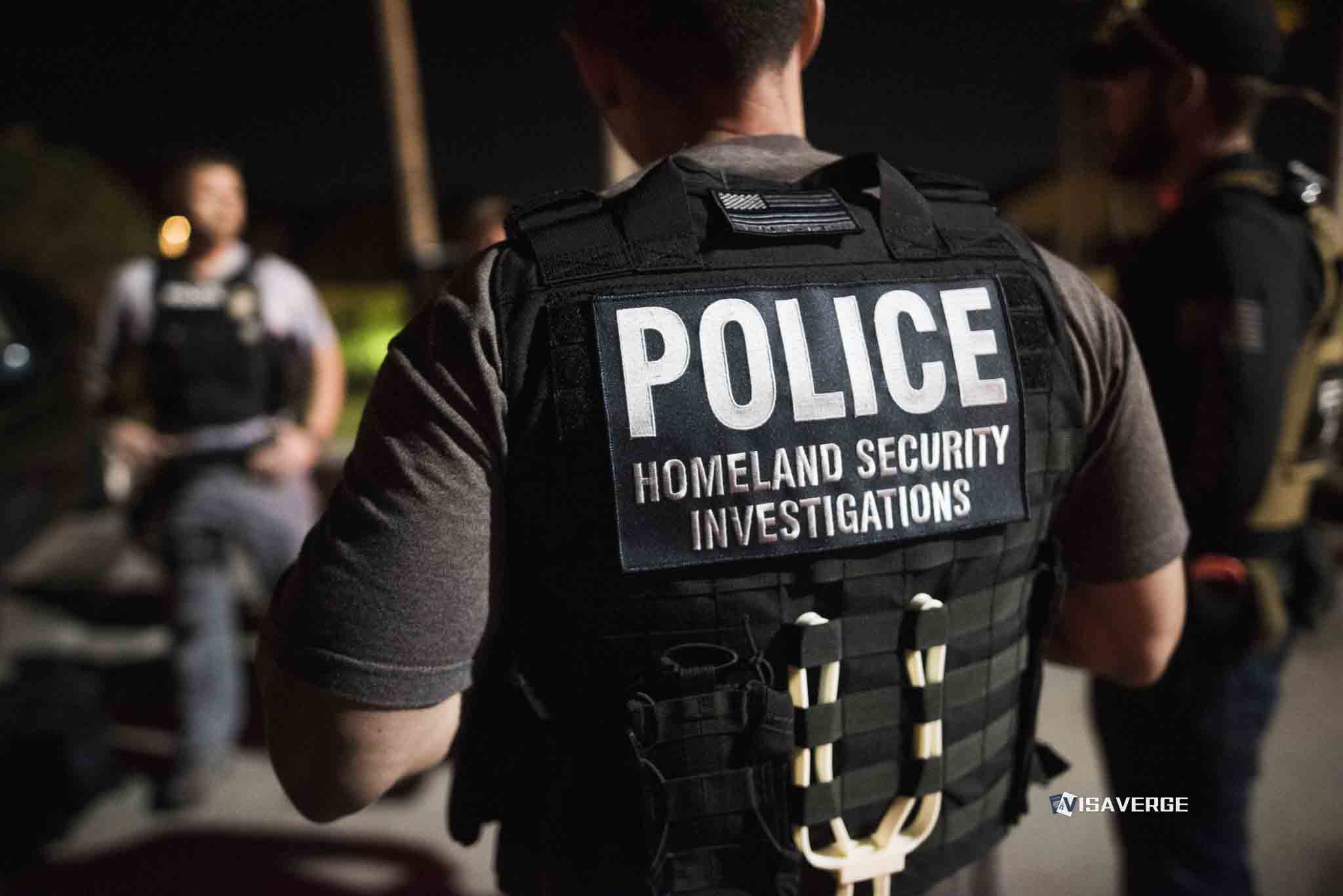
Federal law enforcement arrested 11 defendants that day, and officials said arrests were continuing. The department named the effort Operation Protect the Vote, a coordinated initiative among California’s four U.S. attorney’s offices.

The criminal complaints and the ballot motion are separate actions. The emergency motion asks a judge for a temporary restraining order and preliminary injunction; it does not itself stop officials from counting ballots.
The department filed its lawsuit against California and Los Angeles County on October 15. The case is before a federal court in Los Angeles.
The motion would hold ballots aside while officials check citizenship
The department wants the state and county to segregate mail ballots associated with people on its list while their citizenship is checked. It says the ballots should be held until officials can determine the voters’ status, rather than counted before that review.
The list contains more than 20,000 people described by the administration as likely noncitizens. Acting Deputy Attorney General Trent McCotter said all 28 defendants appear on it. Their criminal cases do not mean every person on the list has been accused of a crime.
The scope of the federal estimate has shifted. In July, federal officials warned California that its rolls “may include as many as 190,000 noncitizen voters.” The department later characterized the 20,000 as the registrants it considered most likely to be noncitizens.
The complaints allege voting and false statements on citizenship forms
Court documents allege defendants knowingly and willfully swore they were U.S. citizens on voter-registration applications. Prosecutors also allege their naturalization paperwork falsely said they had never claimed citizenship or registered or voted in U.S. elections. The charges are not findings of guilt.
The charged conduct is not identical across the group:
| Alleged conduct | Number of defendants |
|---|---|
| Voted in at least one election | 22 |
| Registered but were not accused of casting a vote | 5 |
| Submitted a provisional ballot in 2020 | 1 |
A department spokesperson said 21 of the 28 had cast unlawful ballots, while the department’s release said “most of them” voted. Prosecutors said 22 were accused of voting at least once, including as recently as the June primary. The group also includes varied allegations.
Fraudulent voter registration and false statements in naturalization applications are among the felony charges. Each carries a maximum penalty of five years in federal prison. The charges also include misdemeanors.
The defendants include 10 Mexican nationals, along with people from Guatemala, the Philippines and Canada. About half live in Los Angeles County; the others are spread between the county and Sacramento. Some had been registered for more than 20 years, and the department said allegations included multiple votes, including in an October 2026 primary.
Omar Alexander Muñoz, 72, a Belizean national living in Commerce, is accused of registering in September 2019, voting in 2020, twice in 2022 and again in 2024, and lying on naturalization paperwork. Ana Domínguez, 60, a native of El Salvador and lawful permanent resident in Long Beach, is accused of registering in July 2006 and making false statements in naturalization paperwork in March 2026. Domínguez said she did not remember registering. Another man charged with the same crimes said the same.
California challenges the list and its changing estimate
On October 13, the department sent Los Angeles County election officials a thumb drive with a handwritten password. It purported to contain names of noncitizens registered to vote. The state was given 48 hours to confirm citizenship and set aside ballots that remained unverified.
California declined to help. Secretary of State Shirley Weber said federal officials had made “vague and unsubstantiated allegations” and had not shared the data and methodology behind the figures. She called the demand “outrageous,” arguing that treating listed voters as ineligible until they prove otherwise would violate federal law barring systematic removal of ineligible voters before a federal election. Weber also said the list lacked the detail needed for an investigation.
McCotter said federal officials had tried repeatedly over the summer to work with California, but “We never heard anything back.” He acknowledged the list could contain errors: “There may be some names on there who, it turns out, ultimately are citizens. We're not perfect, and that's why we've asked California to cooperate with us.”
First Assistant U.S. Attorney Bill Essayli warned that officials could face criminal consequences if they knowingly processed ballots from people the government had identified as noncitizens. He said the state was “being complicit in noncitizens voting in our elections.”
California officials countered that the cases do not demonstrate widespread fraud. Attorney General Rob Bonta said the 28 defendants represented “0.0001% of all the registered voters” in a state with 23 million registered voters. Los Angeles County Supervisor Janice Hahn called the arrests “voter intimidation and a blatant attempt to undermine trust in our midterm elections.”
California has 23.1 million registered voters. About 16 million voted in the 2024 general election, while more than 9.4 million cast ballots in the June primary.
Defendants have started appearing as California’s election approaches
Four defendants made initial court appearances Monday afternoon, and prosecutors took no pleas that day. Muñoz appeared in court after his arrest at home. Domínguez appeared wearing a back brace, with her legs cuffed, and blew a kiss to her husband and daughter in the courtroom.
John A. Condon, acting executive associate director of Homeland Security Investigations, said the agency would pursue allegations of criminal conduct while ensuring investigations were conducted fairly and consistently with due process. Rick Hasen, director of UCLA School of Law’s Safeguarding Democracy Project, cautioned that a voter could be registered accidentally, including through a motor vehicle office. “There is only a crime if the government can prove willful violations of federal law,” he wrote.
Federal officials said 113 people had been charged with voting crimes in 20 states over the preceding seven weeks, compared with 13 charged by the Biden administration during its entire term. The November 3 election is 15 days away. Californians are already voting on a new governor, 14 statewide ballot measures and competitive congressional races.