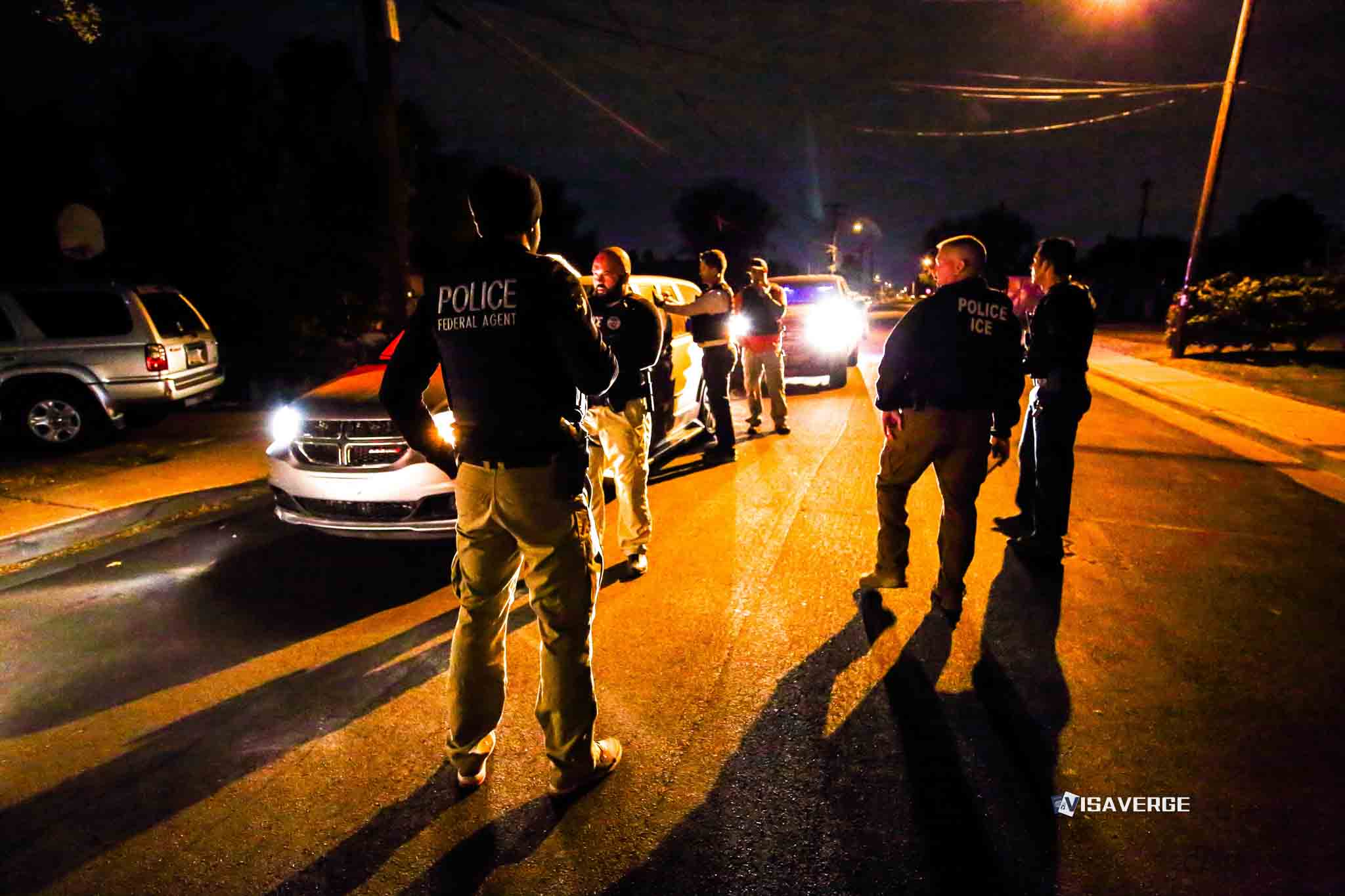
California Green Card Holders Face Voting Charges as Operation Protect the Vote Targets Voting as an Alien
Two Sacramento defendants denied misdemeanor allegations and requested jury trials as federal prosecutors pursue cases tied to a disputed voter list.
At a glance
- The Justice Department announced 28 California cases on October 19, 2026; 11 defendants were arrested.
- Bill Essayli said six Southern California cases brought the operation’s announced total to 34 on November 2, 2026.
- The federal government gave California a voter list on October 13, 2026.
Reviewed November 10, 2026 Checked against the Justice Department
Two California Green Card Holders, Juan Antonio Rivas Garcia and Giezell Viduya Adawag, pleaded not guilty in Sacramento federal court to one misdemeanor charge each of voting as an alien.
Both requested jury trials. Adawag was absent from the arraignment, and her attorney entered her plea.
Prosecutors allege Rivas Garcia registered to vote four times between 2018 and 2022, then voted in 2022 and 2024. He was arrested October 19 and booked at the Sacramento County jail before being released on his own recognizance.
Adawag is accused of registering and voting in November 2024 after falsely certifying that she was a U.S. citizen. She also denied the charge through counsel.
How many people have been charged, and what offenses do they face?
The Justice Department announced charges against 28 lawful permanent residents on October 19, 2026; 11 were arrested that day. First Assistant U.S. Attorney Bill Essayli said six additional Southern California cases brought the operation’s announced total to 34 on November 2, 2026. A later report by The Sacramento Bee put the number of California green-card holders charged with voting illegally as noncitizens at about 40. Rivas Garcia and Adawag are among those about 40.
The Sacramento defendants face a misdemeanor charge of voting by an alien in a federal election, punishable by up to one year in federal prison. Other cases include felony charges of false statements in naturalization applications and fraudulent voter registration, which carry a maximum penalty of five years in federal prison. The cases are part of Operation Protect the Vote, and allegations are not convictions.
A federal voter list also became the subject of ballot litigation
The federal government gave California a list on October 13, 2026, and sought to have related mail-in ballots set aside while citizenship was checked. The Justice Department said the original defendants appeared on its list of more than 20,000 likely noncitizen registrants.
Acting Deputy Attorney General Trent McCotter said each of the original defendants appeared on the list. He called it a list of “more than 20,000 likely noncitizen registrants we provided to California election officials last week.”
The U.S. Supreme Court rejected the Justice Department’s emergency request to separate ballots cast by about 20,000 people it said may be noncitizens. The federal government later sought, in another lawsuit, to have some names removed from California voter rolls.
California Attorney General Rob Bonta said illegal voting should be prosecuted as “one-off, isolated incidents,” while disputing claims of widespread fraud. Election experts have also said registration errors or confusion can account for some instances involving noncitizens.
Federal law bars lawful permanent residents from voting in U.S. elections
The Justice Department says lawful permanent residents are not U.S. citizens and cannot vote in U.S. elections. The allegations in these cases still must be resolved in court.
Los Angeles County election official Dean Logan urged eligible voters with questions to contact their local election officials. The cases remain pending.
This article provides general information and is not legal advice. Consult a qualified immigration attorney about your specific case.
Keep reading
More in Green Card →

Sources
Primary documents and official agency releases referenced in this story.