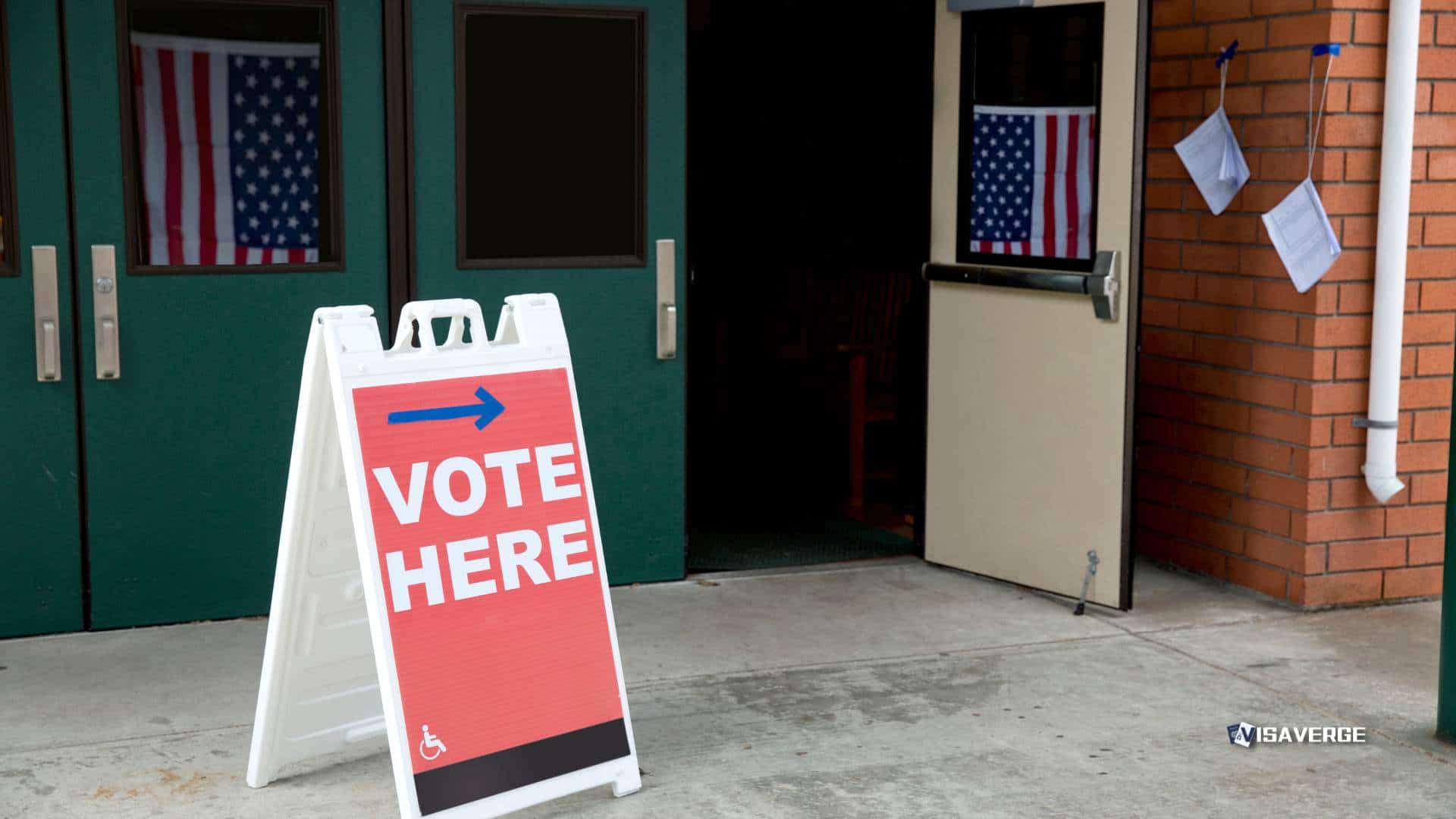
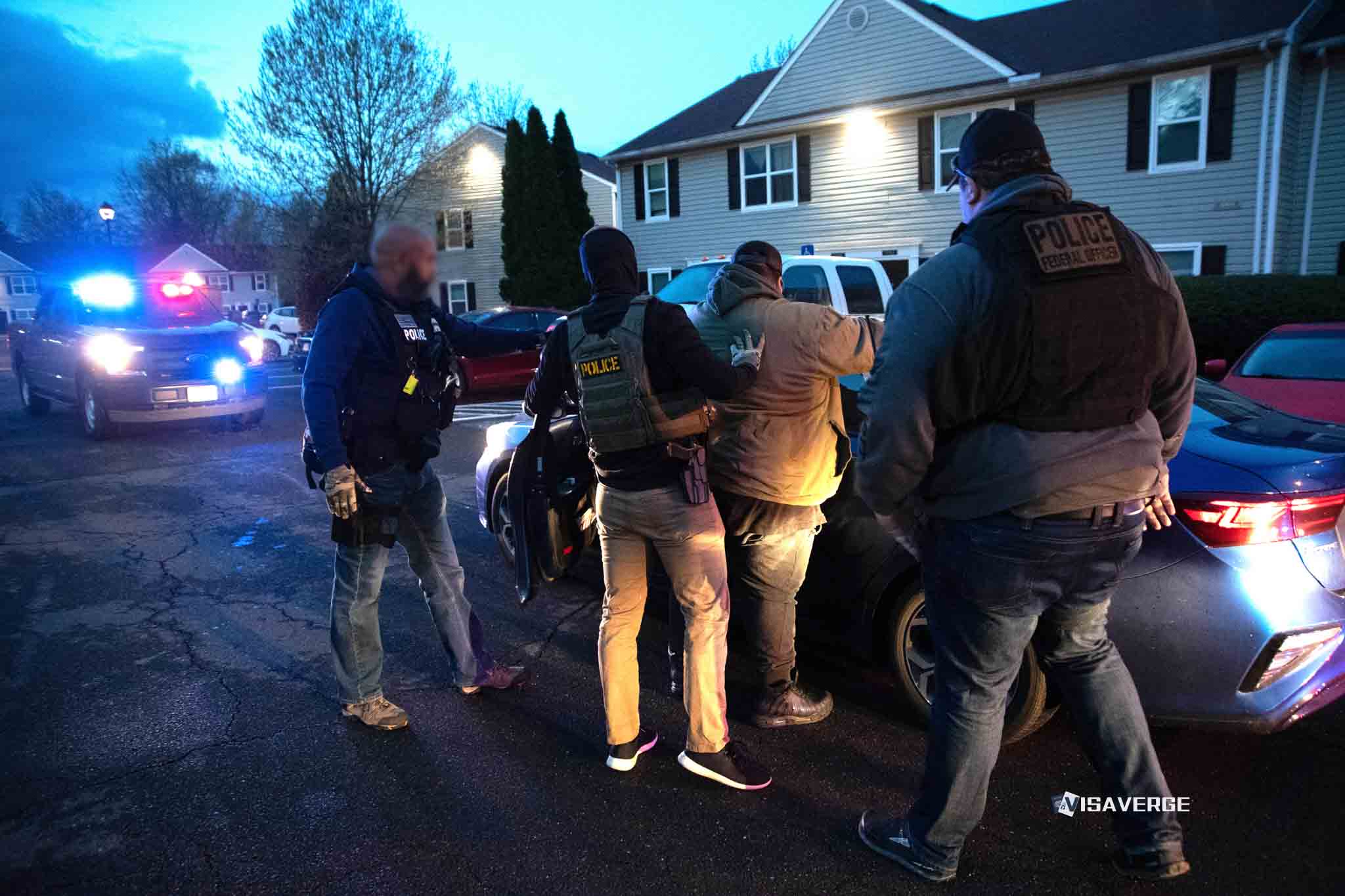
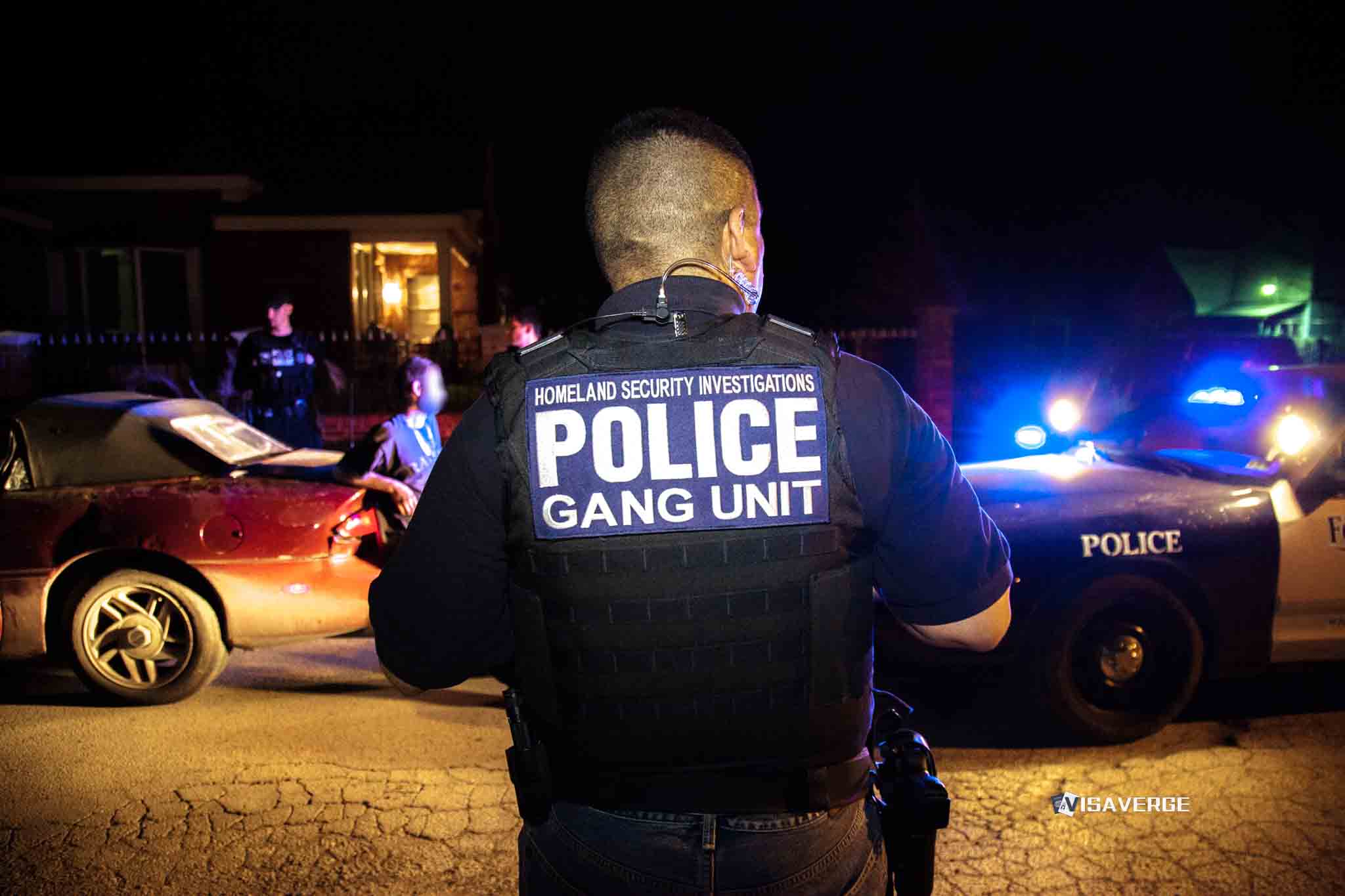
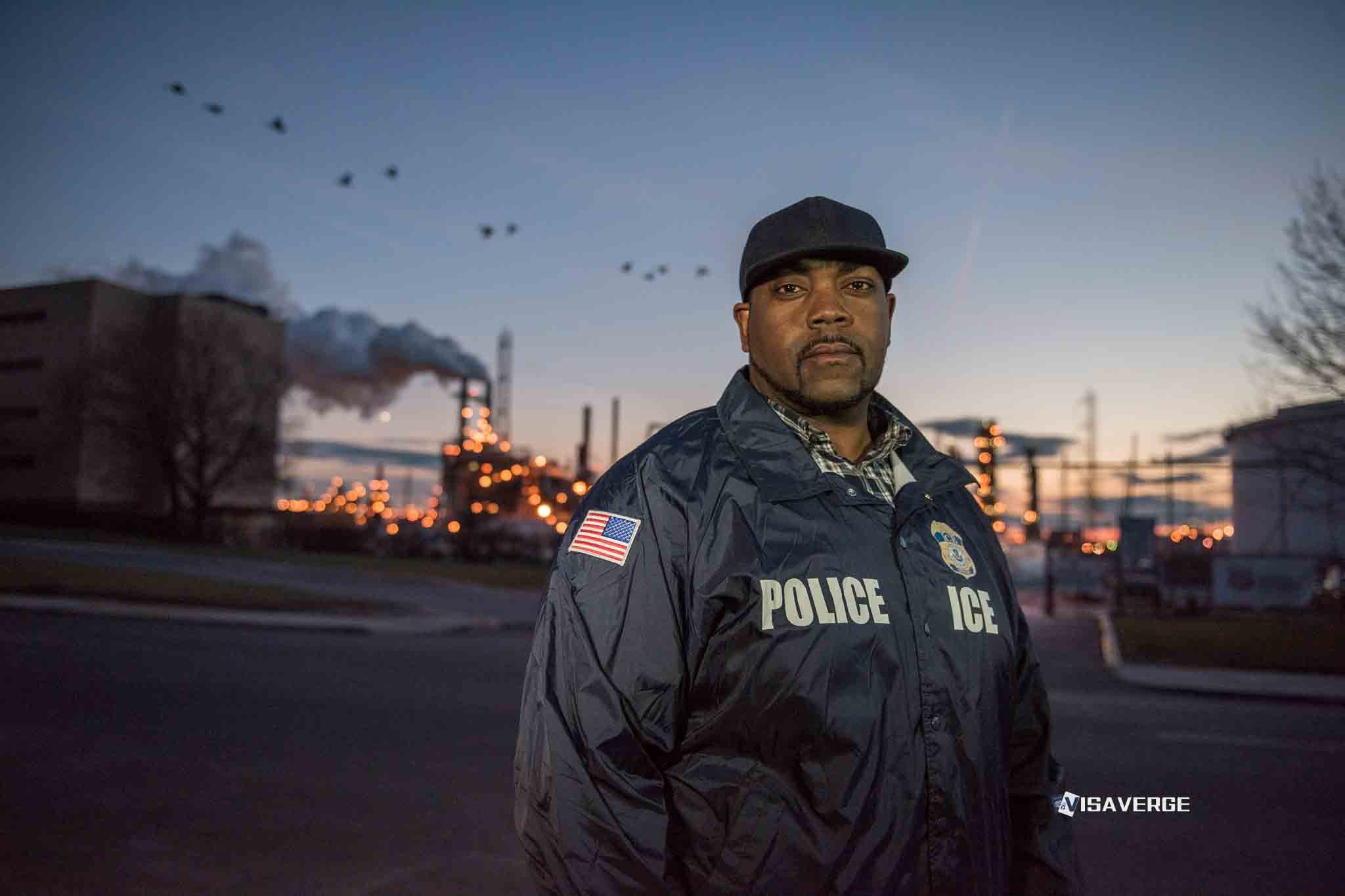
- DHS has ordered ICE to prioritize deporting noncitizens who illegally vote in U.S. elections.
- Immigration officials may initiate removals without a criminal conviction based on registration evidence.
- Both undocumented immigrants and lawful permanent residents face immediate deportation risks for voting.
(WASHINGTON, D.C.) — The Department of Homeland Security on June 9, 2026 directed ICE to pursue stricter enforcement, including deportation, against noncitizens who illegally vote in American elections, citing removal provisions in the Immigration and Nationality Act.
DHS said General Counsel James Percival sent a letter to ICE leadership stating that the law permits removal of noncitizens who illegally vote or falsely claim U.S. citizenship, and that a criminal conviction is not required to start removal proceedings. The department said those provisions reach not only people in the country unlawfully, but also noncitizens who are lawfully present.
“The importance of free, fair, and honest elections is without question. Echoing the words of President Trump, ‘the right of American citizens to have their votes properly counted and tabulated, without illegal dilution, is vital to determining the rightful winner of an election,’” said DHS General Counsel James Percival. “Illegal voting by aliens dilutes the votes of American citizens and undermines our democracy. It must have consequences.”
Percival’s directive places immigration enforcement at the center of the administration’s election policy. ICE now has instructions from DHS to treat illegal voting by noncitizens as a deportation issue under the statute, rather than waiting for a criminal case to end first.
The legal basis cited by DHS comes from provisions of the Immigration and Nationality Act that list illegal voting and false claims to U.S. citizenship as grounds for removability. DHS said the two violations often go together, because registering or voting in elections limited to citizens can involve representing oneself as a U.S. citizen.
| India | China | ROW | |
|---|---|---|---|
| EB-1 | Feb 01, 2023 | Aug 01, 2023 ▲31d | Current |
| EB-2 | Nov 01, 2013 | Oct 01, 2021 | Apr 01, 2025 ▲90d |
| EB-3 | Jan 22, 2014 ▲21d | Jan 22, 2022 ▲14d | Jun 15, 2024 ▲31d |
| F-1 | Jan 22, 2021 ▲366d | Jan 22, 2021 ▲366d | Jan 22, 2021 ▲366d |
| F-2A | Oct 22, 2026 ▲30d | Oct 22, 2026 ▲30d | Oct 22, 2026 ▲30d |
That scope reaches widely. Green Card holders, temporary workers, and other noncitizens with lawful status can face removal if they illegally participate in U.S. elections, according to DHS. The department said immigration officers may initiate proceedings on the basis of evidence of unlawful voting without first obtaining a criminal conviction.
The directive also fits into a broader federal push that began with Executive Order 14248, titled Preserving and Protecting the Integrity of American Elections, which President Donald J. Trump signed on March 25, 2025. DHS said the order directed action across the federal government on voter eligibility verification, grant administration, information-sharing, enforcement of federal election integrity laws, improvements to voting systems, and criminal prosecution of unlawful voting by aliens.
Administration officials have paired that executive order with new screening and data-sharing efforts. In April 2026, DHS said it flagged more than 24,000 names on U.S. voter rolls as potential noncitizens for investigation by Homeland Security Investigations, the agency known as HSI.
DHS has also pointed to individual cases. The department recently highlighted the arrest of Mahady Sacko, a Mauritanian national who allegedly voted in every presidential election since 2008 while under a final order of removal for more than 20 years.
State and local election officials have also gained wider access to federal immigration verification tools. DHS expanded the Systematic Alien Verification for Entitlements, or SAVE, program, which the administration says allows officials to verify the citizenship status of registered voters more efficiently. DHS links that expansion to the same election enforcement agenda behind Percival’s directive.
The practical effect for noncitizens can be immediate. People found on voter rolls or tied to ballots cast in elections restricted to citizens can face arrest and removal proceedings under DHS enforcement priorities, even if they hold lawful immigration status. For lawful permanent residents, the exposure goes beyond deportation itself; DHS said Green Card holders can lose their status and face permanent bars to reentry.
The consequences can also extend to future citizenship applications. A policy update that took effect in late 2025 treats any history of voting or attempting to register to vote as a permanent bar to U.S. citizenship, according to the materials DHS cited. That reaches conduct that may trigger enforcement long before a naturalization application is filed.
Because the department framed illegal voting and false claims to citizenship as related violations, the immigration risks can compound quickly. A noncitizen accused of voting in a citizen-only election may also face allegations of having claimed to be a citizen, which carries its own consequences under the Immigration and Nationality Act and can affect both removability and admissibility.
The DHS statement did not limit the directive to any single visa class or immigration category. Its terms cover all non-U.S. citizens, including people admitted on work visas and permanent residents, if they participated in elections restricted to citizens. That gives the policy reach across a large share of the legal immigration system, not only people already in removal proceedings.
The department’s wording also lowers the procedural threshold for immigration action compared with a criminal prosecution. By stating that no conviction is required, DHS signaled that ICE may rely on evidence gathered through voter registration records, ballot records, investigative referrals, and related files to bring charges in immigration court.
DHS tied the directive directly to enforcement policy, not to any new act of Congress. The administration’s position is that the Immigration and Nationality Act already provides the authority, and that Percival’s letter instructs ICE to apply that authority more aggressively in election cases.
Election-related immigration enforcement now sits alongside other federal initiatives under Executive Order 14248. DHS described a system in which voter eligibility checks, interagency information-sharing, criminal investigation, and civil immigration enforcement operate together, with ICE handling deportation cases and HSI supporting investigations involving potential noncitizens on voter rolls.
USCIS policy also matters in that framework because naturalization and admissibility decisions can turn on the same conduct. The materials cited by DHS point readers to [USCIS Policy Manual updates](https://www.uscis.gov), where voting-related conduct and false claims to citizenship affect eligibility for immigration benefits, including citizenship itself.
DHS also directed attention to the administration’s broader election order through [Executive Order 14248 materials](https://www.whitehouse.gov). The department’s own announcement of Percival’s instruction to ICE appears in a [DHS press release dated June 9, 2026](https://www.dhs.gov), which casts deportation as a central consequence for noncitizens who vote unlawfully in American elections.
With that letter now in place, DHS has told ICE to treat unlawful voting by noncitizens as conduct that can carry the harshest immigration penalty the law allows: removal from the United States, even without a criminal conviction, and for some, a permanent end to any path toward citizenship.