- New York ordered 12 agencies to end 287(g) agreements with ICE by August 25, 2026.
- Agencies must report compliance steps to the Office of Immigrant Trust by August 14, 2026.
- The Local Cops, Local Crimes Act bars local arrests on ICE detainers and limits immigration-status questioning.
New York State ordered 12 law enforcement agencies to end their cooperation agreements with U.S. Immigration and Customs Enforcement by August 25, 2026, after a new state law prohibited local participation in the federal immigration program.
The newly formed Office of Immigrant Trust sent formal letters to the agencies on July 24, 2026. The agencies must tell the office by August 14, 2026, how they will comply.

The order covers agreements under the federal 287(g) program. Those agreements authorize local officers to perform specified federal immigration duties.
The Nassau County Police Department and Nassau County Sheriff Department are among the affected agencies. Both must provide the state with compliance information before the final deadline.
| India | China | ROW | |
|---|---|---|---|
| EB-1 | Feb 01, 2023 | Aug 01, 2023 ▲31d | Current |
| EB-2 | Nov 01, 2013 | Oct 01, 2021 | Apr 01, 2025 ▲90d |
| EB-3 | Jan 22, 2014 ▲21d | Jan 22, 2022 ▲14d | Jun 15, 2024 ▲31d |
| F-1 | Jan 22, 2021 ▲366d | Jan 22, 2021 ▲366d | Jan 22, 2021 ▲366d |
| F-2A | Oct 22, 2026 ▲30d | Oct 22, 2026 ▲30d | Oct 22, 2026 ▲30d |
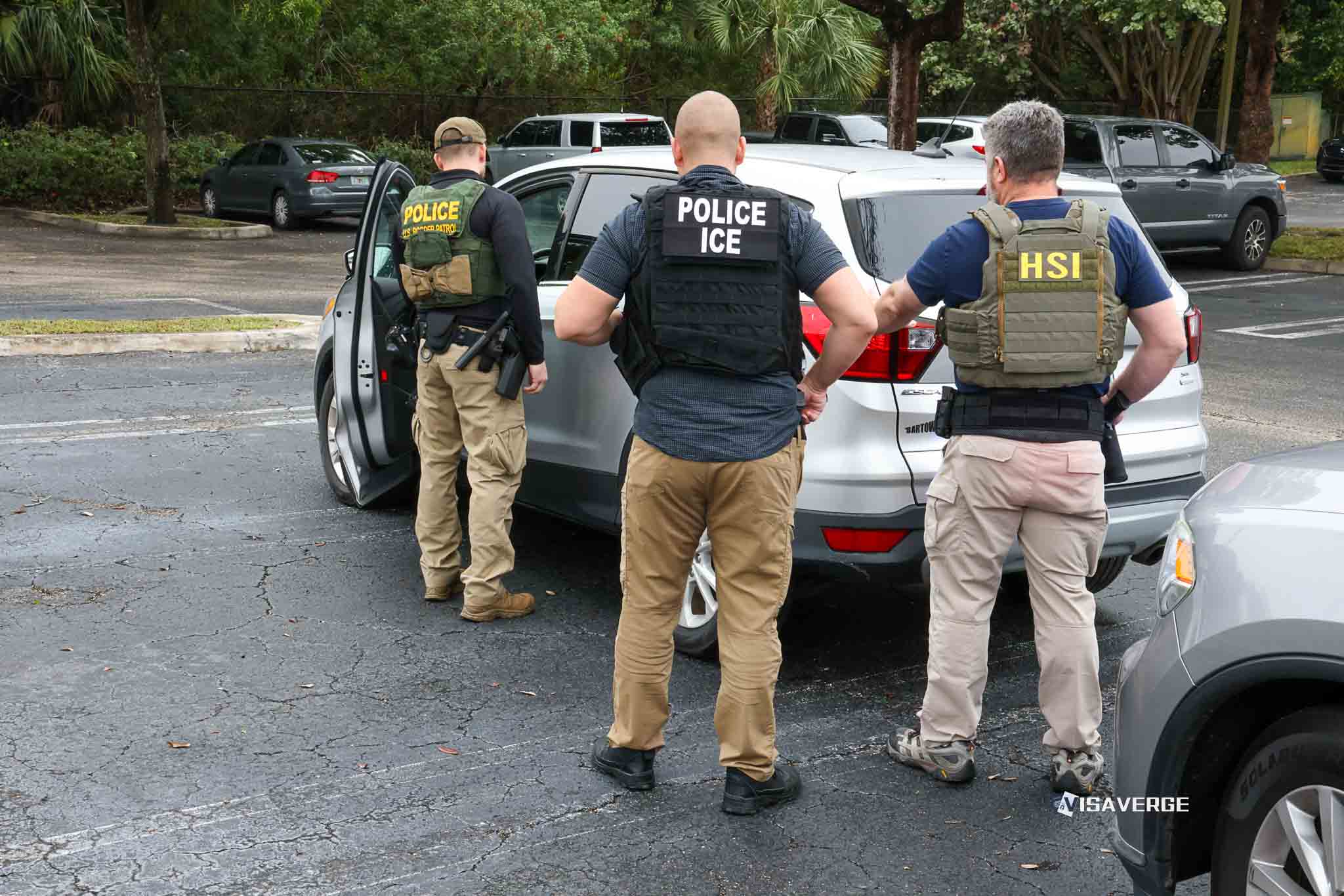
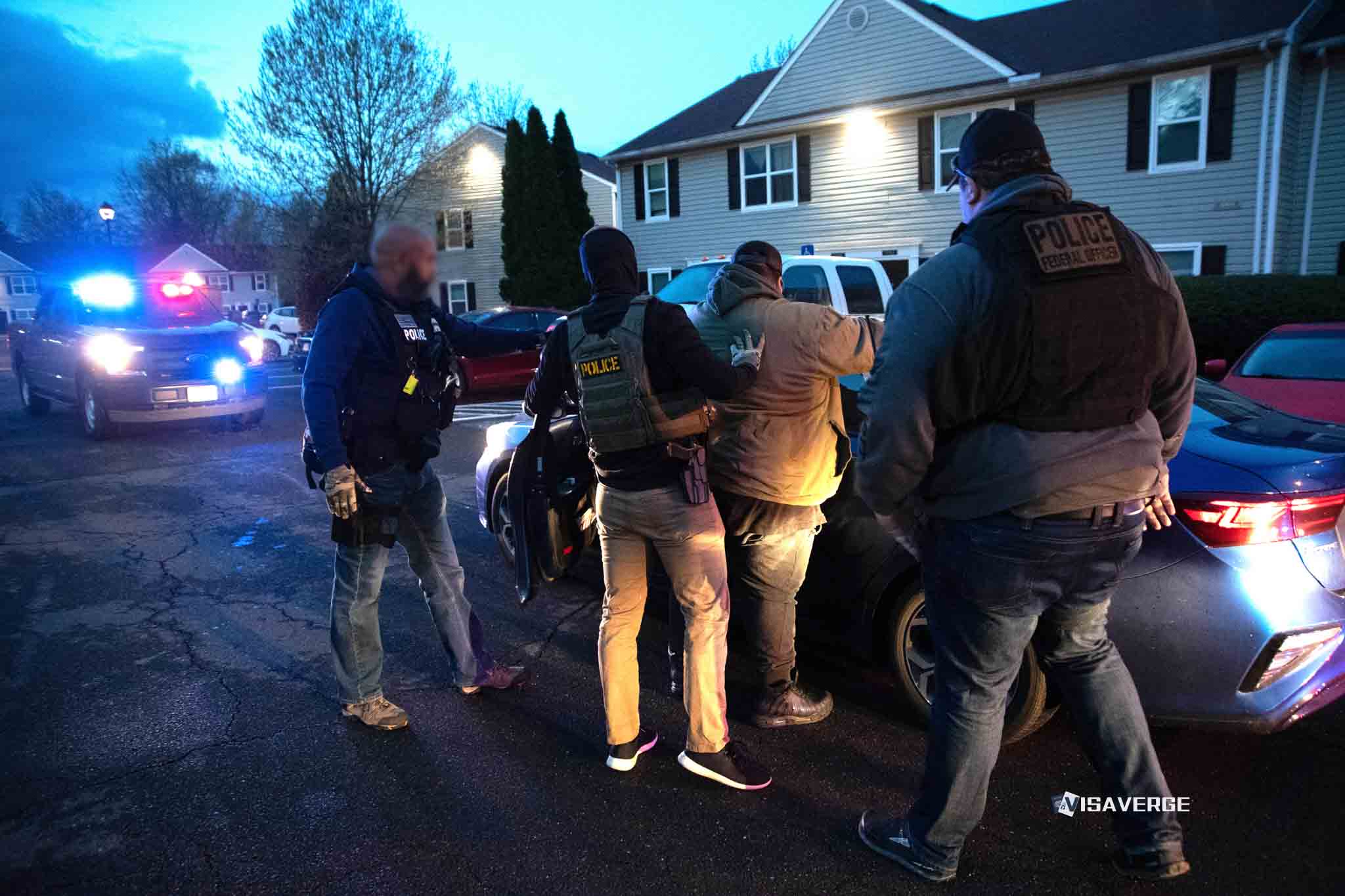
Federal officials oppose the change. They argue that ending local cooperation will require ICE to operate more visibly in New York communities.
The state law ends local participation in 287(g) agreements
The measure, known as the Local Cops, Local Crimes Act, became law through New York’s budget in May 2026. Under Executive Law § 170-k, local governments and law enforcement agencies may not enter, modify or remain in a 287(g) agreement.
The law also limits several actions by local officers. They may not arrest people based on civil ICE warrants or detainers. They may not question someone solely to determine immigration status.
Officers also may not share personal information with ICE without a judicial warrant. The restrictions apply alongside the requirement that existing agreements end.
Governor Kathy Hochul said the policy keeps local police focused on state and local responsibilities.
"In New York, we will not tolerate the diversion of local resources for federal civil immigration enforcement at the expense of public safety. Police officers are taken off their jobs to do ICE's job. that's what we're ending."
The state designed the policy to rebuild trust between immigrant residents and local police. Victims and witnesses may be more willing to report crimes when they do not fear deportation after contacting local officers.
DHS says federal officers will take a more visible role
The Department of Homeland Security criticized the policy after New York moved toward the restrictions. Assistant Secretary Tricia McLaughlin said January 30, 2026, that limiting cooperation would change how federal officers work in local communities.
"Governor Hochul would make New Yorkers less safe as a direct result of this policy. When politicians bar local law enforcement from working with DHS, our law enforcement officers have to have a more visible presence so that we can find and apprehend the criminals let out of jails and back into communities."
DHS also claims that New York’s failure to honor ICE detainers has resulted in the release of 6,947 criminal illegal aliens since January 2026. The department says the people released included individuals charged with homicide, assault and sexual offenses.
Secretary of Homeland Security Markwayne Mullin said July 22, 2026, that the department was increasing arrests while trying to improve coordination with local agencies.
"Our arrests are up. We’re hitting single-day records every single day. what we’ve done is I’ve turned down the temperature of the stove to try to get it correct without boiling over. We're trying to perfect our ability to work with local law enforcement. 70% of the arrests we do daily are felons or have pending felony charges."
ICE Assistant Secretary Lauren Bis pointed to recent arrests in a July 24, 2026, statement. She said ICE officers had arrested people convicted of or charged with homicide, lewd acts with children, possessing child pornography, attempted sodomy on a child and conspiring to traffic firearms.
"Yesterday, the brave men and women of ICE risked their lives to arrest illegal criminal aliens convicted for homicide, lewd acts with children, possessing child pornography, attempted sodomy on a child, and conspiring to traffic firearms. Nearly 70% of ICE arrests are of illegal aliens charged or convicted of a crime in the United States. Under President Trump and Secretary Mullin, we are turning up the heat on the streets to protect our communities."
Twelve departments must surrender federal immigration authority
The 12 agencies currently hold 287(g) agreements that deputize local officers for federal immigration work. Once those agreements end, the officers will lose that federal authority.
The compliance schedule is divided into two steps:
| Required action | Deadline | Responsible body or agencies |
|---|---|---|
| Report steps toward compliance | August 14, 2026 | The affected law enforcement agencies |
| End existing 287(g) agreements | August 25, 2026 | All 12 agencies |
The Office of Immigrant Trust issued the letters on July 24, 2026. The Nassau County departments must follow the same timetable as the other agencies.
The state law does not remove ICE’s federal enforcement authority. It removes the local officers authorized to perform federal immigration functions through the agreements.
ICE may respond with more “roving patrols” or other visible enforcement actions in New York communities. The agency will also lose its reliance on deputized local officers and local jail intake data under the current arrangements.
Rensselaer County may contest the restrictions
Rensselaer County has indicated that it may challenge the law in court. The possible challenge adds a legal dispute to the agencies’ immediate compliance obligations.
The state and federal governments describe sharply different public-safety effects. New York says local officers should not be diverted to federal civil immigration enforcement. DHS says limiting cooperation will force federal officers to search more visibly for people released from local custody.
The state’s trust-based rationale focuses on contact with local police. Its policy seeks to ensure that immigrant residents, including crime victims and witnesses, can report crimes without fear that the interaction will lead to deportation.
The federal argument centers on arrests and detainers. Lauren Bis said nearly 70% of ICE arrests involve illegal aliens charged with or convicted of a crime in the United States, while Mullin said 70% of daily arrests involve felons or people with pending felony charges.
Agencies now face the first reporting date on August 14, 2026. Their 287(g) agreements must end by the later deadline.
This article provides general information and is not legal advice. Consult a qualified immigration attorney about your specific case.